
More than 37,000 risk professionals have earned the ARM designation since its inception and those who have earned it say it has become a necessary credential for those who are charged with identifying, analyzing and managing risk.
“We’re convening at Lloyd’s in London — the birthplace of modern risk-sharing — which gives GIF a symbolic weight this year that goes beyond just another stop on the conference circuit.”
Clear, consistent documentation of adverse events supports continuity of care and can influence whether an event leads to litigation. Here’s what belongs in the record—and what doesn’t.
More organizations are recognizing that forming a captive gives them better control over how they finance and manage risk, and the ability to move quickly when exposures shift.
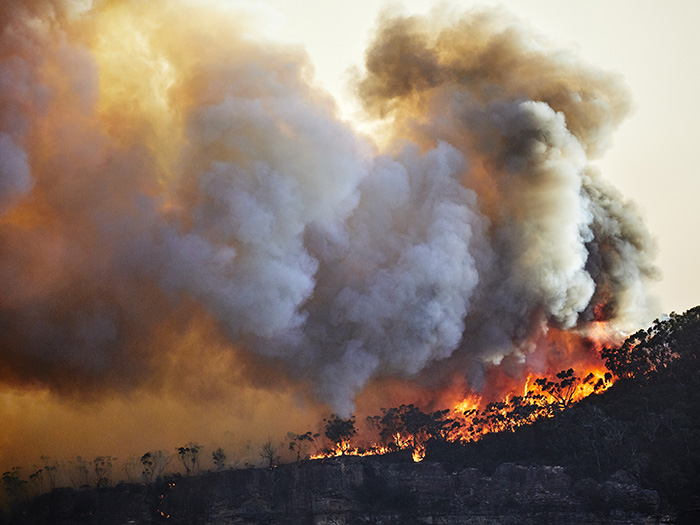
While wildfires present a direct threat to communities and businesses in the vicinity of the fires, smoke can travel hundreds or thousands of miles, as seen in this year’s fires.
As private assets reshape insurance portfolios, a new breed of sophisticated investor is emerging. The 2026 Insurers’ Private Credit Forum in Austin on November 12 and 13 aims to give allocators important peer-to-peer insights.
Tariffs, shifting trade routes, and supply chain disruptions are adding more complexity to managing risk for life sciences companies. That’s on top of existing operational, technology and intellectual property concerns. Here’s how insurers are helping clients adapt.
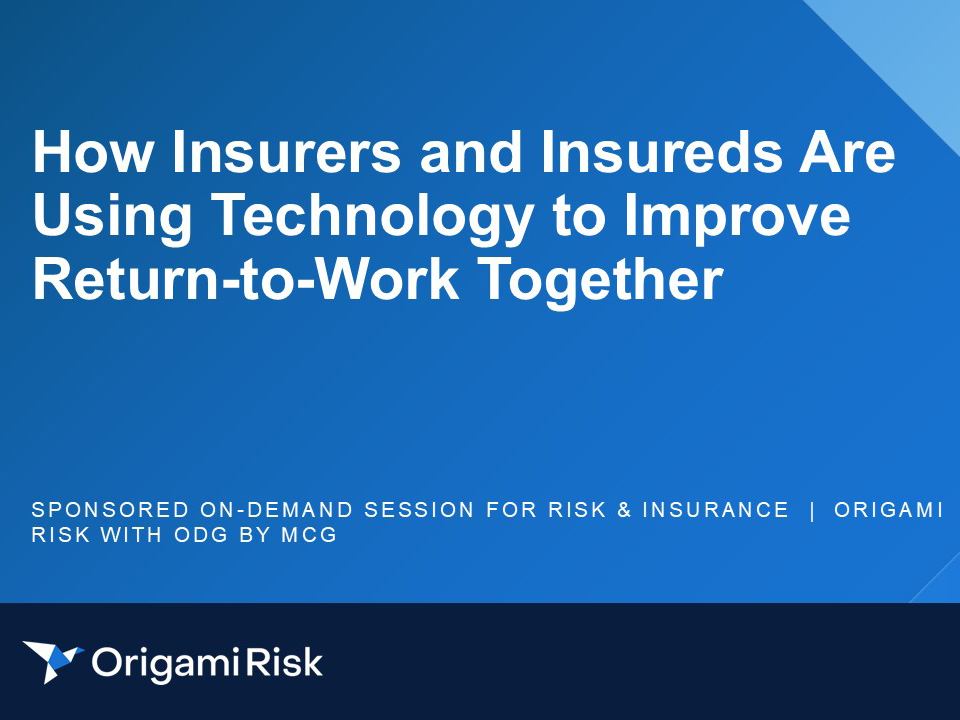
Explore how insurers and employers are using workflow automation, integrated technology, and AI-powered coordination to streamline claims, strengthen collaboration, and improve return-to-work outcomes for injured workers.
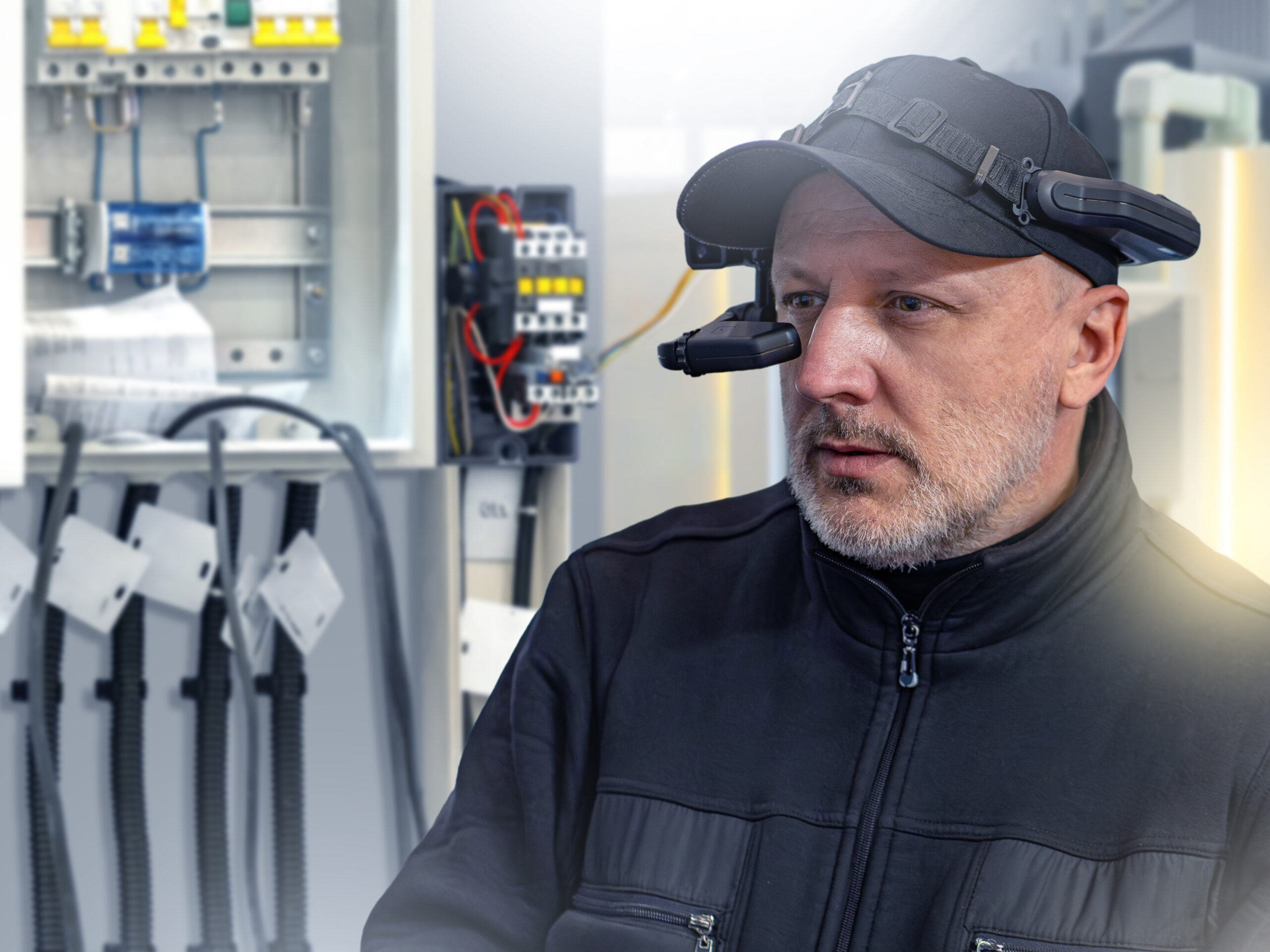
Wearables offer real-time hazard detection and ergonomic insights, but employers must weigh privacy concerns, employee buy-in, and the role these tools should play in decision-making.
Workplace violence incidents continue to rise across industries, with healthcare bearing the brunt of post-pandemic aggression. Experts say prevention starts with culture, documentation, and leadership accountability.
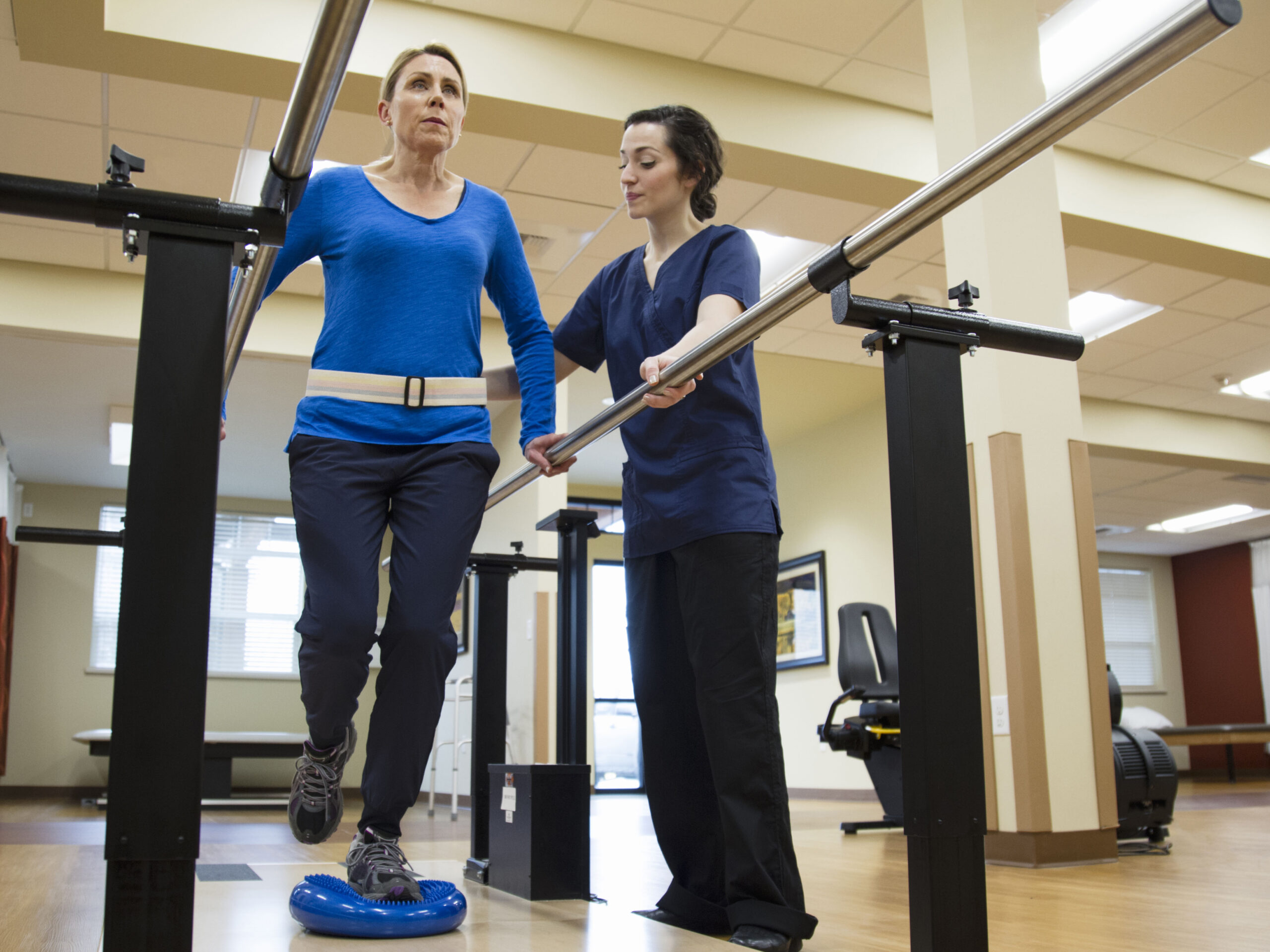
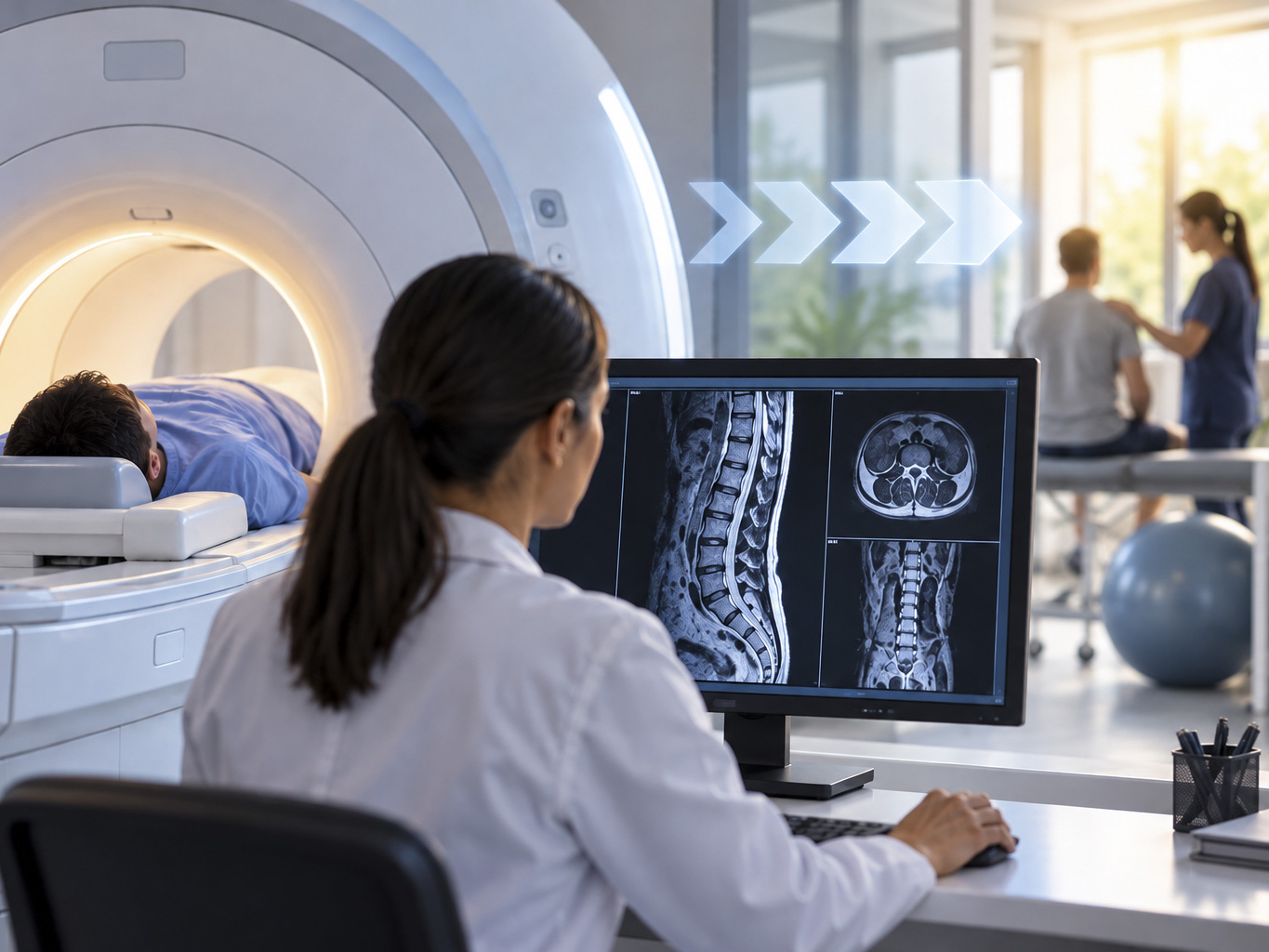
Magnetic resonance imaging (MRI) use is on the upswing. The real opportunity for payers and employers isn’t just about managing the cost of a scan. It’s about how quickly imaging can drive better decisions and faster recovery for injured workers.
Liberty Mutual’s Amy Gross discusses how AI, data analytics, drones, and connected technologies are helping construction firms identify risks earlier, improve safety and claims outcomes, and make better-informed decisions — while creating new demands around cybersecurity, privacy and human oversight.
From the Strait of Hormuz to the Black Sea, escalating global conflicts are reshaping war risk and marine cargo insurance. Here’s how underwriters are responding to this ongoing uncertainty.
As complex and emerging risks test traditional insurance markets, Bermuda continues to give risk managers access to the capacity, expertise and flexible solutions they need.
Most workplace strains come down to habits and choices, not heavy loads. A National Comp session explored how small technique changes can prevent injuries across industries.