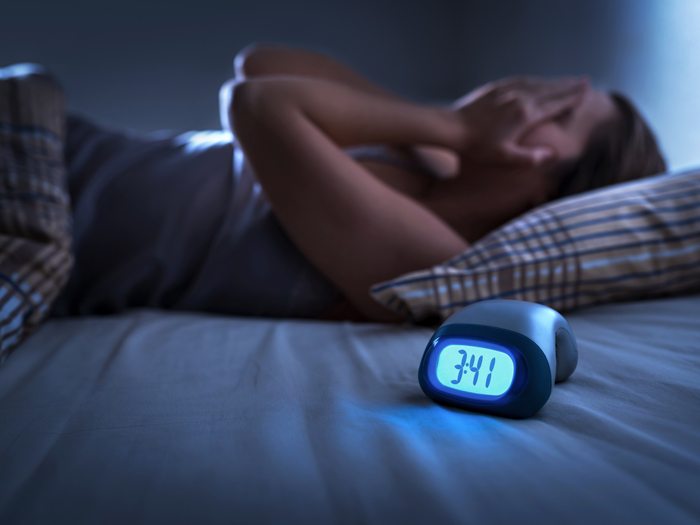
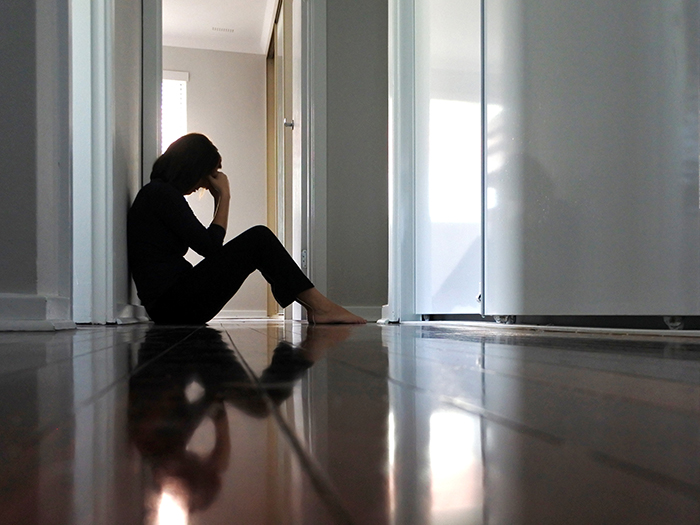
Sleep is critical for everyone, but when outside stressors — like a global pandemic — keep workers up late, what can employers do to keep employees safe on the job?
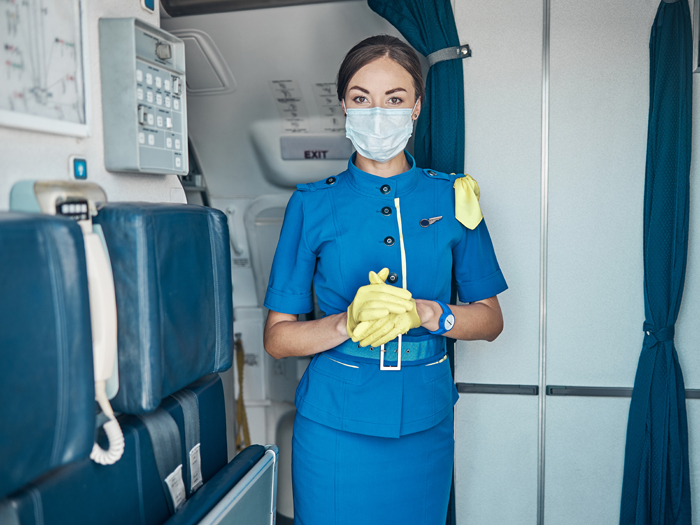
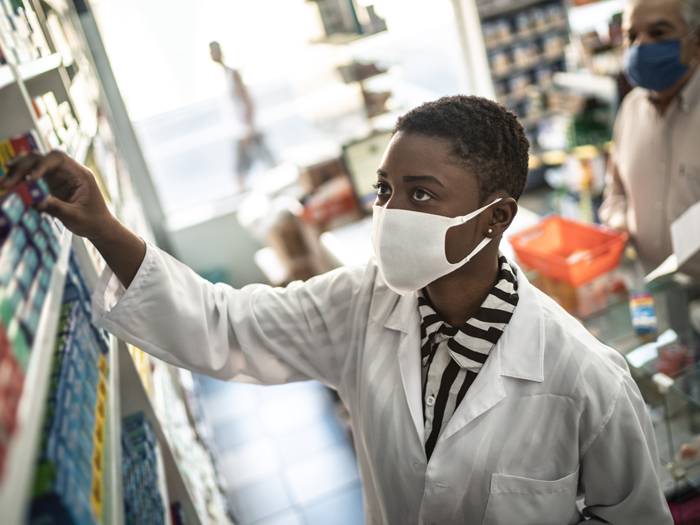
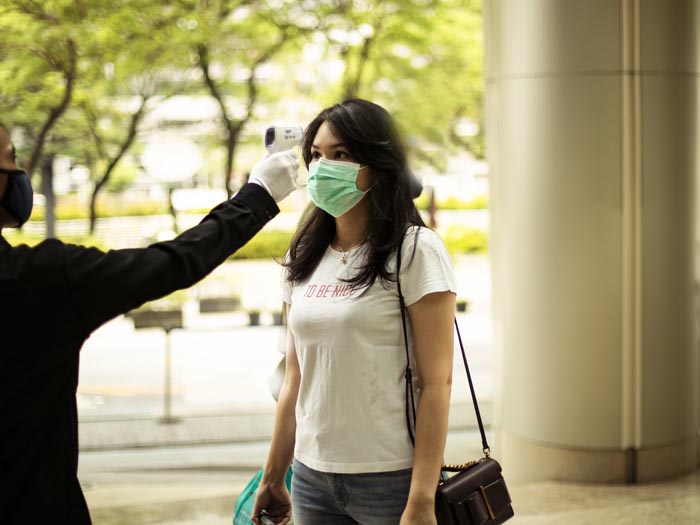
Flight attendants share the dangers of their jobs post-pandemic, from aggressive passengers refusing to wear masks to fears of contracting the deadly virus.
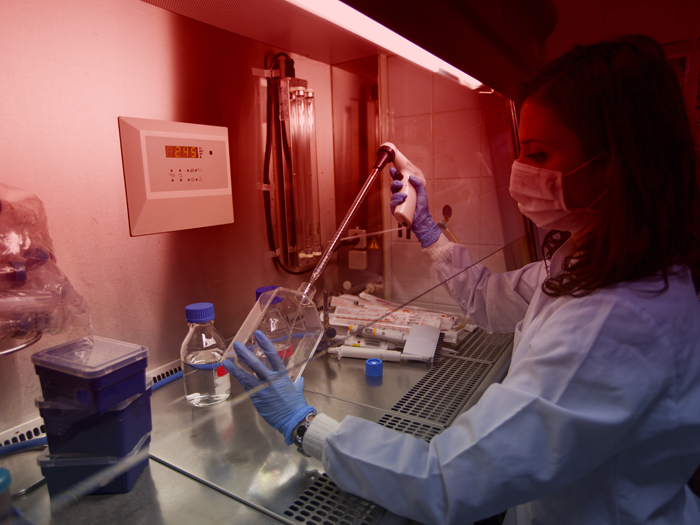
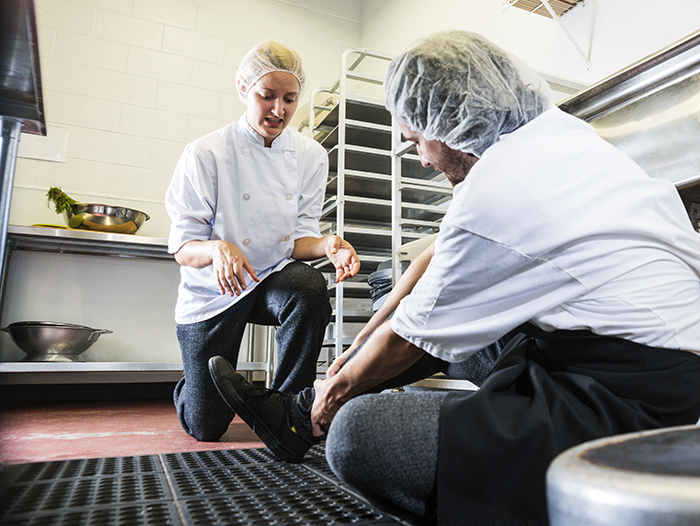
Graduate students are young and don’t often feel the effects of repetitive motion injuries. But that’s not the case in industry and manufacturing, where the glovebox workforce is aging and workers report severe symptoms.
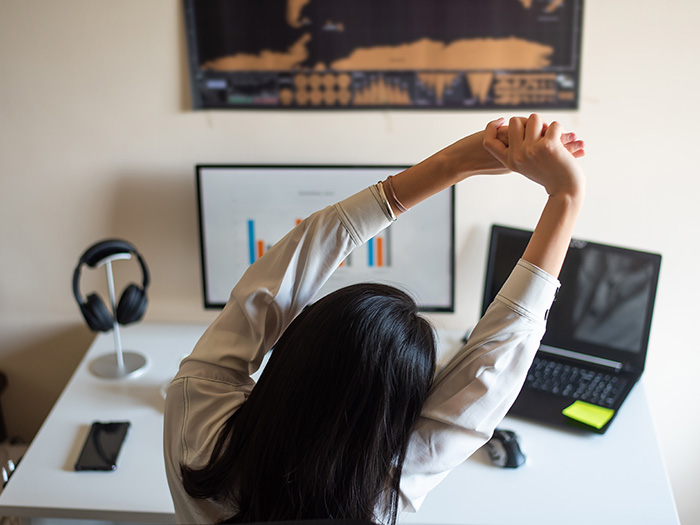
As we approach almost a full year since office closures and work-from-home mandates, this National Ergo Conference session delves into the various ways to incorporate ergonomics into your remote work setting.
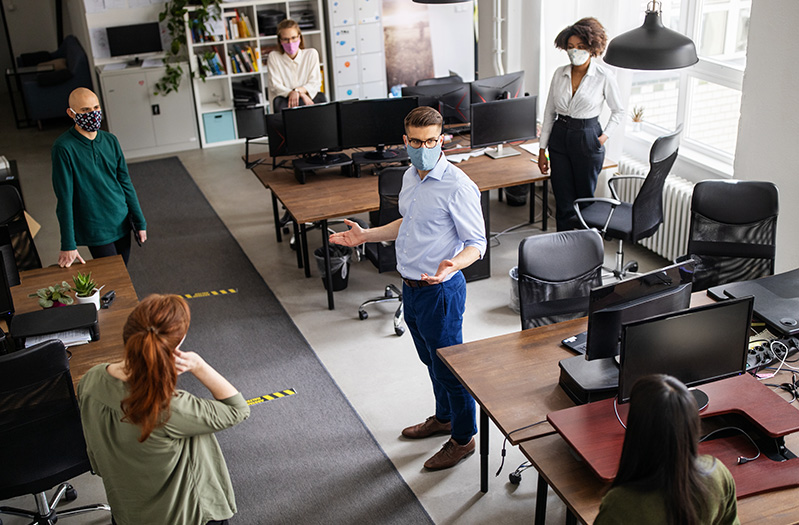
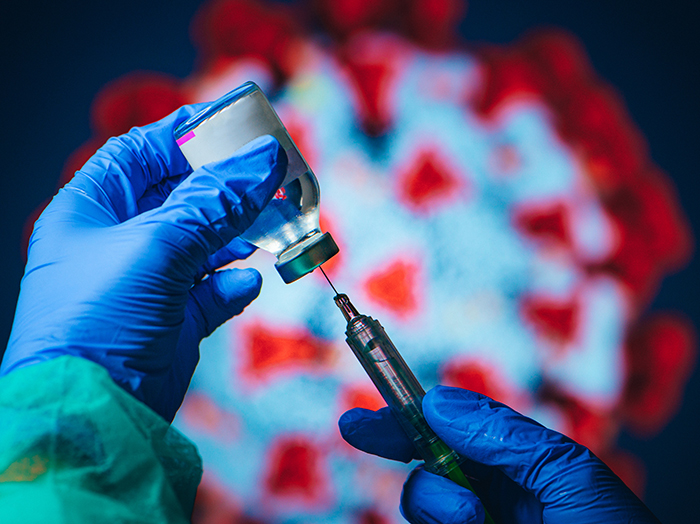
The coronavirus pandemic may have a vaccine, but that does not mean it’s been eradicated. Now is the time for workers’ comp professionals to recognize what the impacts of the virus could be moving forward.
During a National Comp session, Chick-fil-A’s workers’ compensation program lead shares why the fast-food giant based its program around workers’ advocacy.
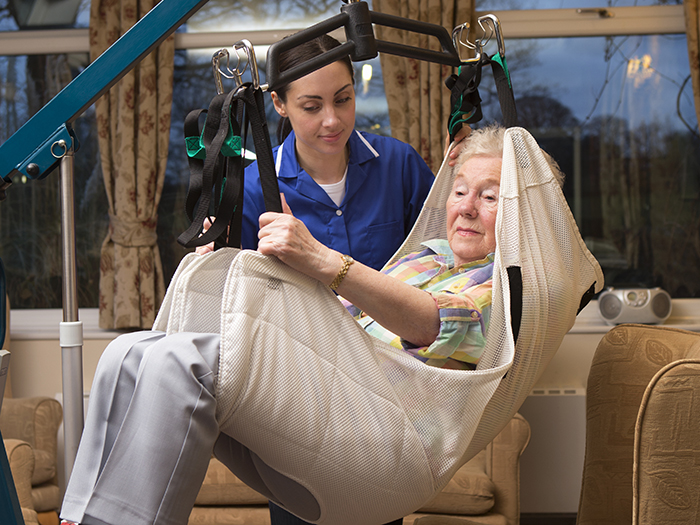
At a digital session of the National Ergonomics Conference & ErgoExpo, two experts explain their system for helping health care workers prevent injuries.
From whether or not employers can mandate a vaccine to the potential workers’ comp implications, here’s what businesses should be watching as the COVID-19 vaccine rolls out.
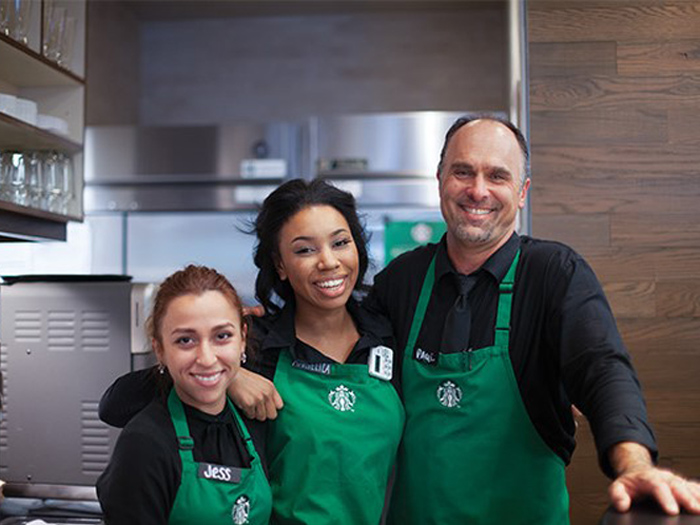
Telemedicine is growing in popularity for workers’ compensation programs. See how Starbucks successfully integrated telemedicine into its program to benefit its workforce.
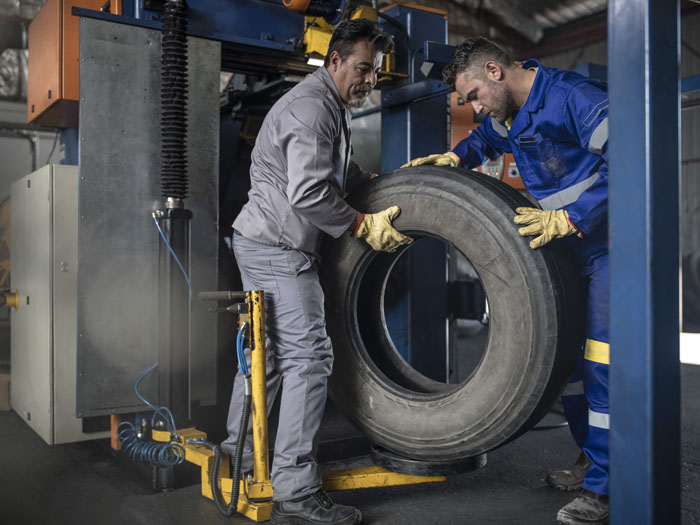
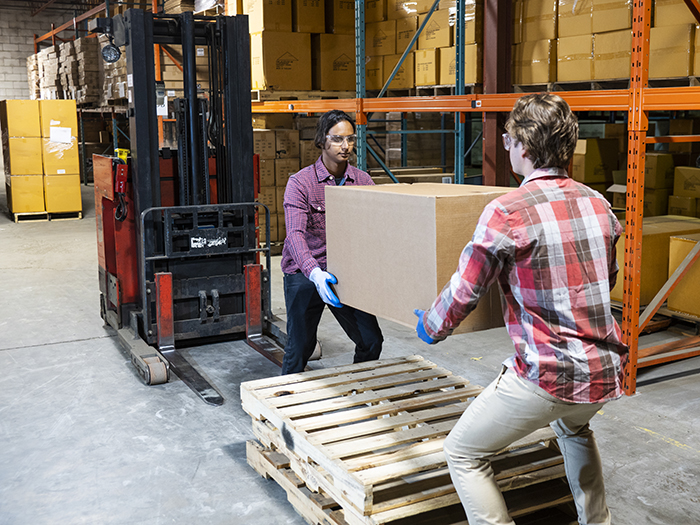
New technologies are great at combating material handling injuries, but workers may still need to move or lift heavy objects. That’s where body mechanics comes in.