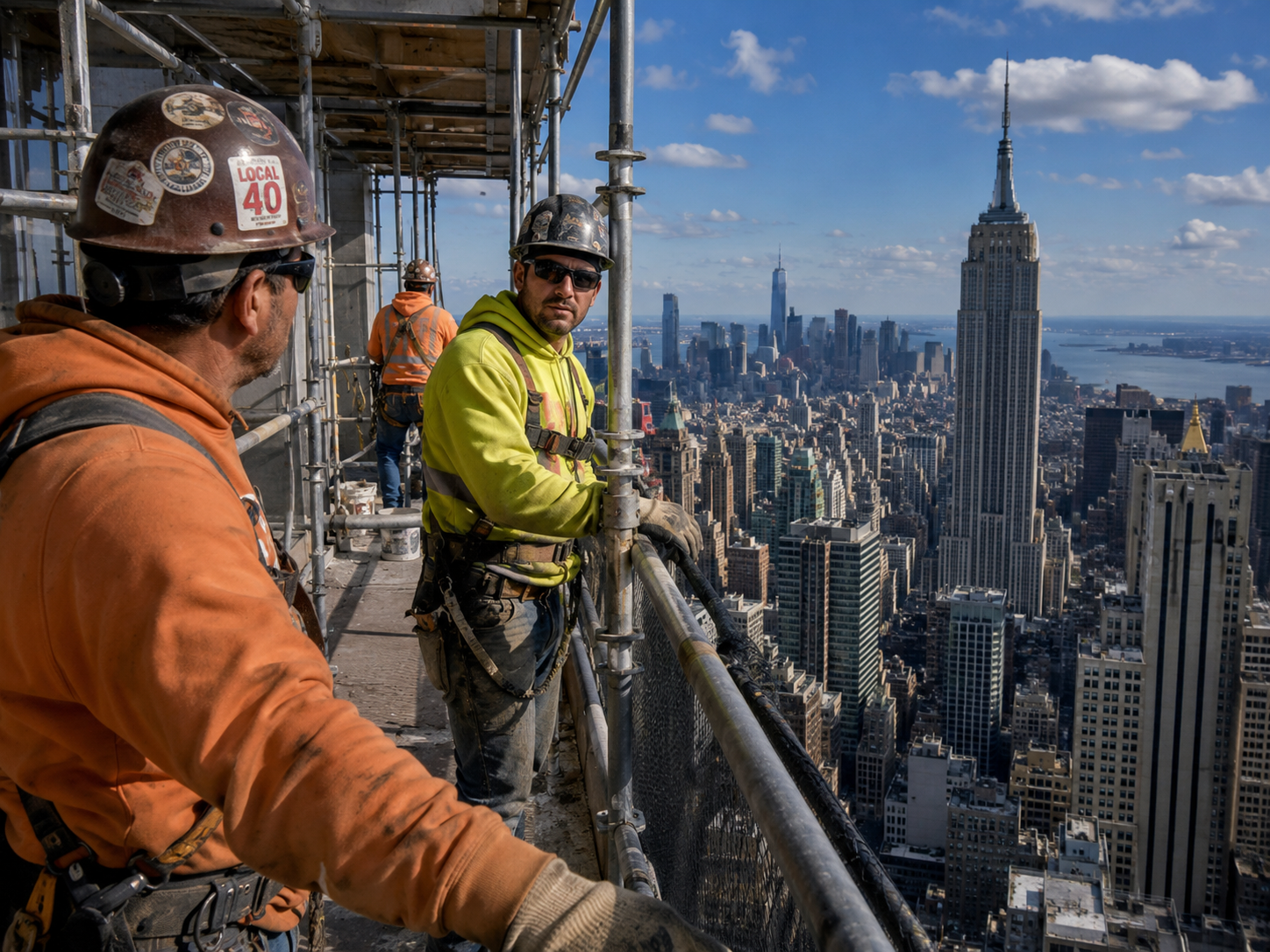
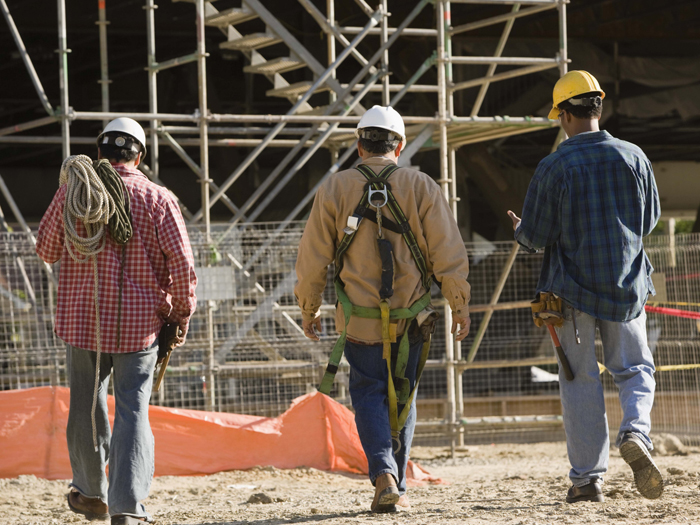
Firms with fewer than 20 employees represent more than 90% of construction payroll and face disproportionately higher fatal and nonfatal injury rates, according to CPWR — The Center for Construction Research and Training.
Average payments for air ambulance transport in workers’ compensation climbed sharply between 2013 and 2024, with wide variation across states, according to the Workers Compensation Research Institute.
Poor communication contributes to nearly 70% of workplace incidents, underscoring the business case for fostering psychological safety in construction and other high-risk industries, Gallagher Bassett says.
Nonfatal workplace assaults climbed steadily from 2011 through 2022, driven overwhelmingly by violence in health care and social assistance settings, according to NCCI.
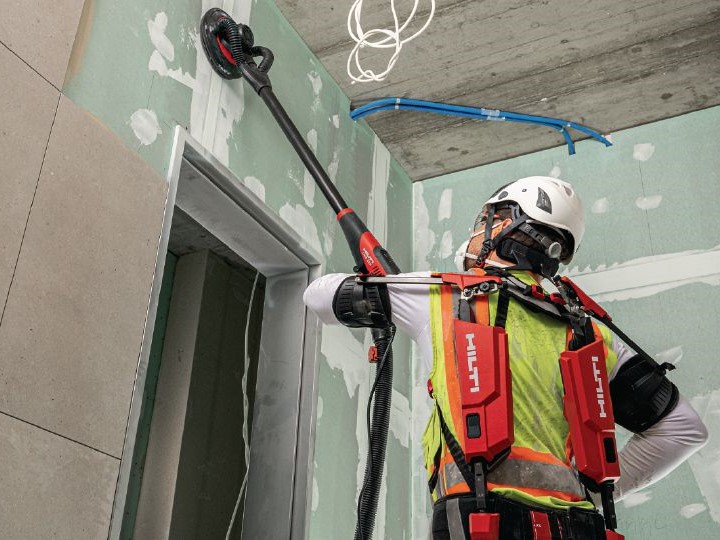
A National Safety Council survey found that workers broadly view musculoskeletal disorder prevention technologies as positive for their safety and wellbeing, especially when involved in implementation decisions.
The American Society of Safety Professionals identified five themes reshaping workplace safety, including skills gap as a result of demographic shifts.
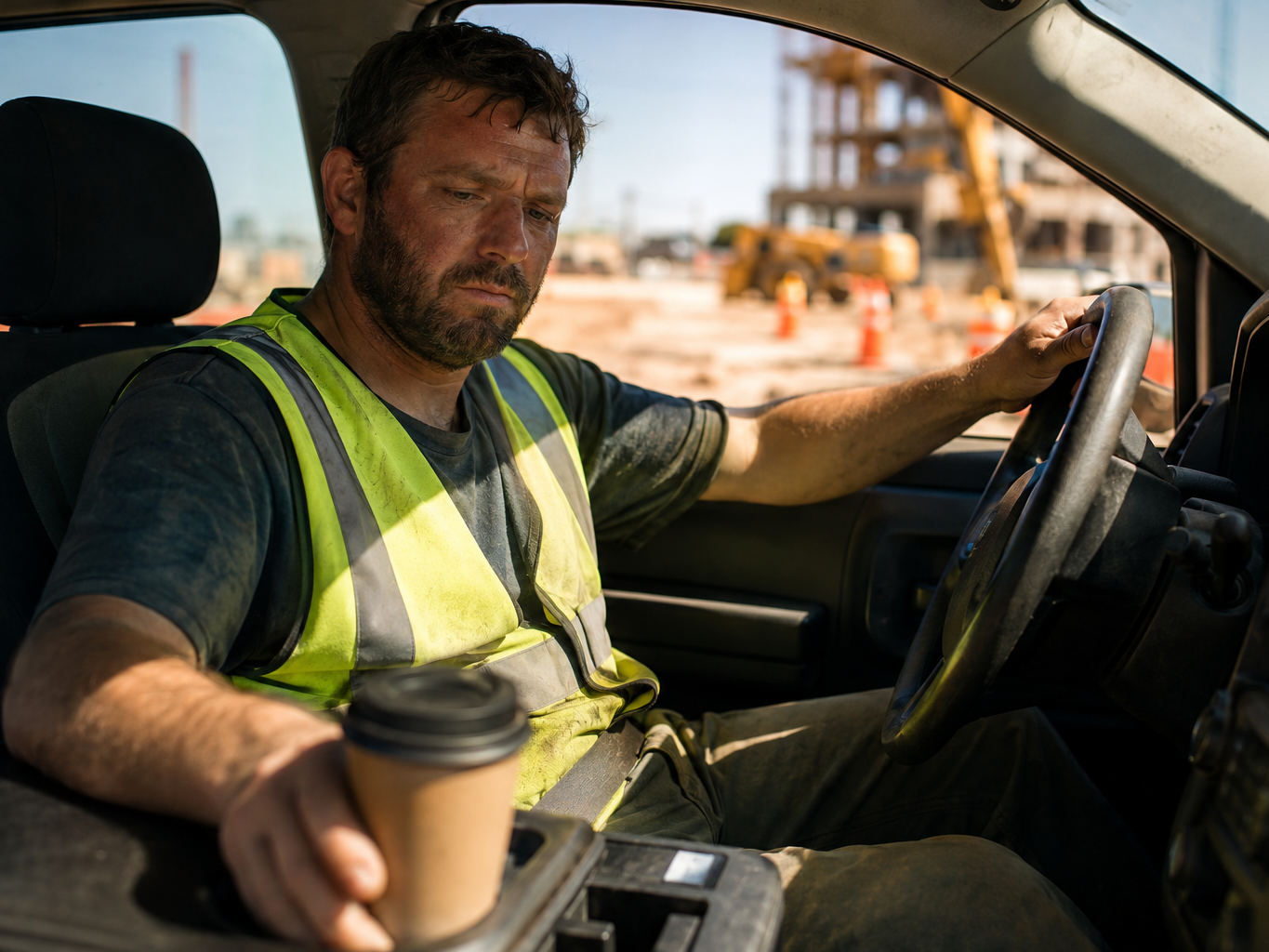
Drowsiness, distraction and aggressive driving consistently precede incidents, and near-collisions are becoming the leading safety metric for fleet risk management, according to Motive’s 2026 road safety report.
Analysis of OSHA enforcement data reveals that hazard communication violations remain widespread, with manufacturing and construction persistent problem areas, according to TraceOne.
As retailers prepare for the 2025 holiday rush, two priorities will make or break the season: bringing on reliable seasonal staff quickly and keeping employees and customers safe through peak traffic.
Workplace violence is, unfortunately, on the rise. This National Comp 2025 panel dives in on proactive prevention strategies and caring for workers post event.
New data from AmTrust Financial reveals that while cuts dominate restaurant injury statistics, muscle strains create the heaviest financial burden—costing nearly 500% more per claim than the industry’s most common injuries.
With U.S. businesses spending more than $1 billion per week on workplace injuries, a renewed focus on the persistent causes that have dominated injury statistics for 25 years is called for.