The best of R&I and around the web, handpicked by our editors.
White papers, service directory and conferences for the R&I community.

Web replica of the print magazine.
A white paper from CompScience argues that ‘one size fits all’ safety training is obsolete in today’s multi-generational workforce.
The 2016 Teddy Award workers’ compensation winners share the same fierce commitment to safeguarding the lives and livelihoods of their people.
The NWCDC is committed to help you stay abreast of industry trends and manage disability and work comp’s toughest challenges.
Applying Lean Six Sigma to its workers’ comp processes earned Atlantic Health an Honorable Mention Teddy Award.
By helping employees navigate through the workers’ comp system, Cottage Health decreased lost work days by 80 percent.
The Metropolitan Water Reclamation District of Greater Chicago succeeds with a commonsense approach.
Ergonomics safety programs reduce injuries and help organizations reach operational goals.
Drowsy driving is increasing liability for transportation companies, and increasing commercial auto rates as well.
Smart design, regular maintenance, and proper surface materials are the keys to minimizing playground injuries.
Aid organizations are stepping up risk management and safety programs for volunteers working in dangerous parts of the world.
Nine projects being funded by the Ohio BWC strive to create safer workplaces in Ohio and across the rest of the country.
NWCDC’s presentations offer leading-edge strategies from employers and other experts to mitigate workers’ comp and disability challenges.
Significant workers’ comp legal decisions from around the country.
Risk professionals need to personalize safety messages so employees make it part of their on-the-job practice.
As the cannabis industry grows and matures, it is becoming savvier about worker safety and risk management.
Programs that focus on total worker health are becoming an integral part of the way companies manage employee safety and workers’ comp costs.
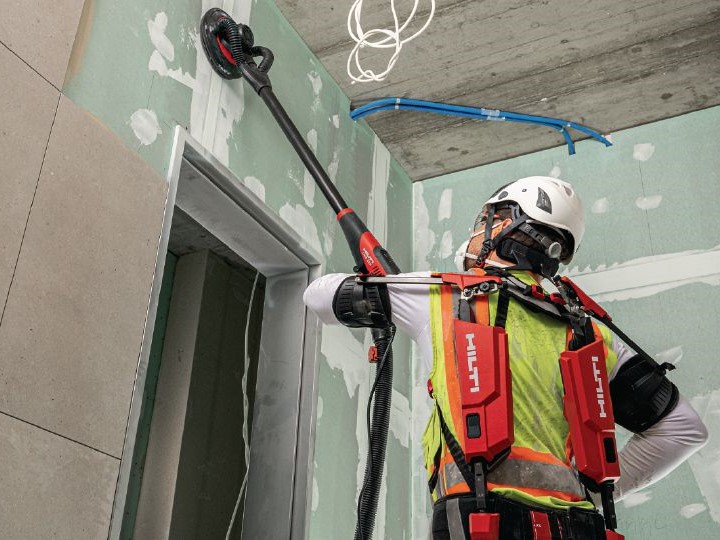
Biomechanical sensor technology has broad applications for preventing re-injury and correcting movements that cause injuries to occur.
The next generation of connected safety wearables could mark a new era in workplace safety and insurance – but only if the data they produce is harnessed in the right way.
While most safety incentive programs are well intended, employers must ensure that they don’t backfire and discourage reporting.
Experts explain what changes employers can expect from OSHA in the near future.
Employers should be aware of how the effects of aging can increase risks for older drivers in the workplace.