The best of R&I and around the web, handpicked by our editors.
White papers, service directory and conferences for the R&I community.

Web replica of the print magazine.
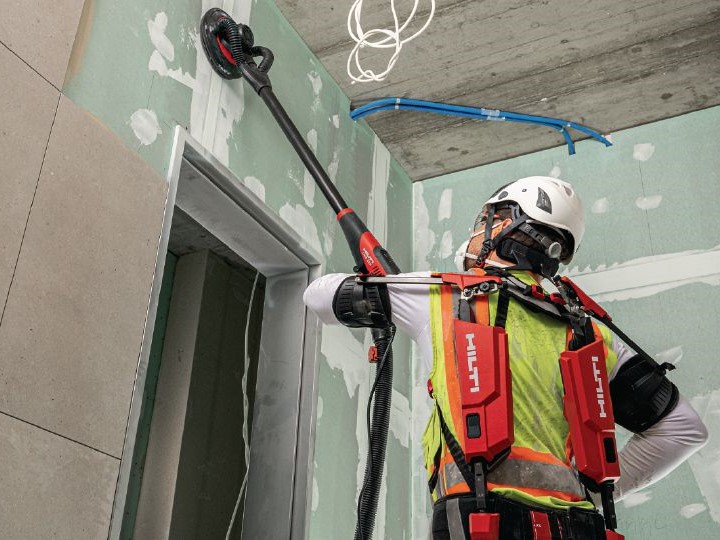
A National Safety Council survey found that workers broadly view musculoskeletal disorder prevention technologies as positive for their safety and wellbeing, especially when involved in implementation decisions.
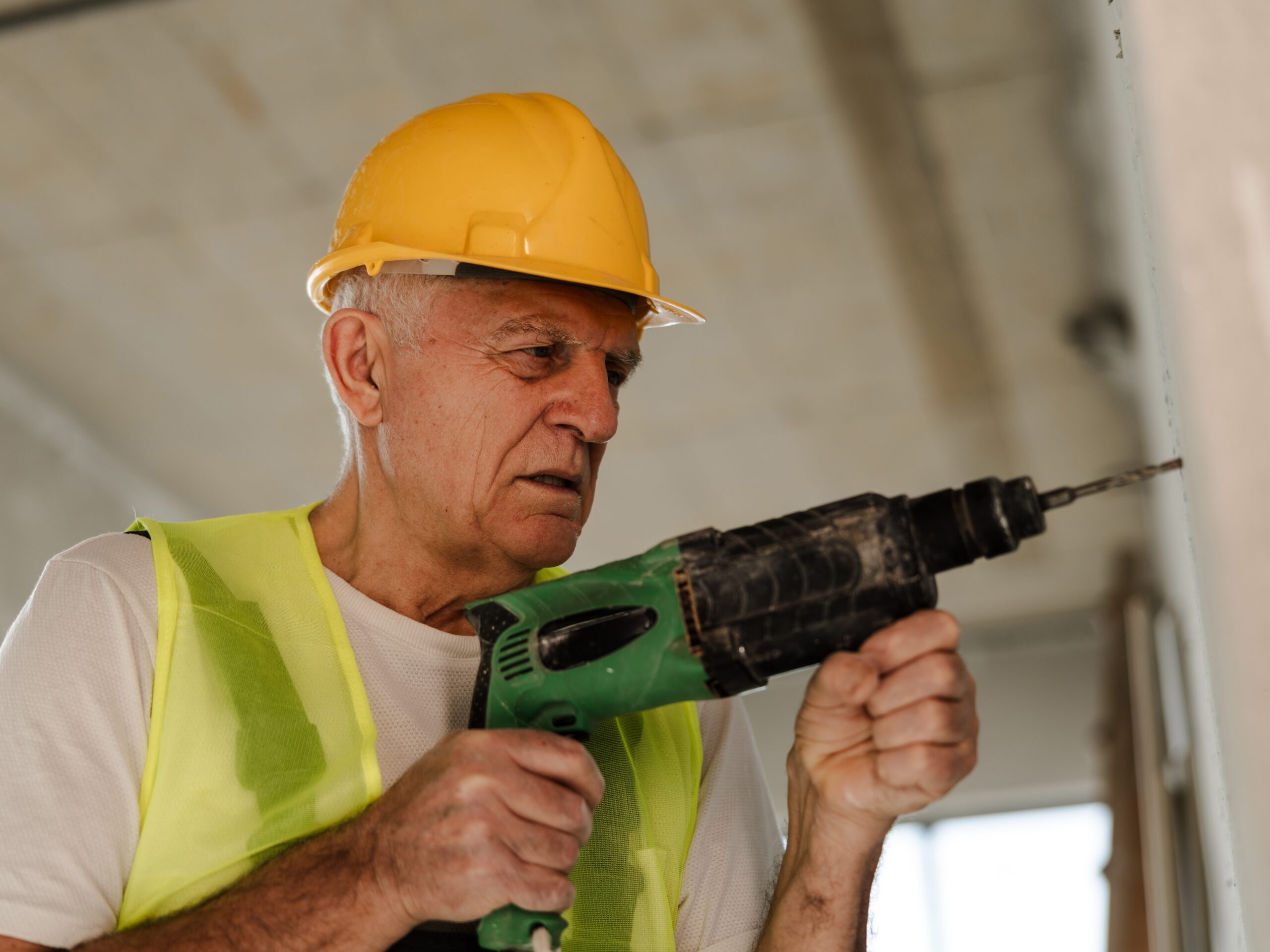
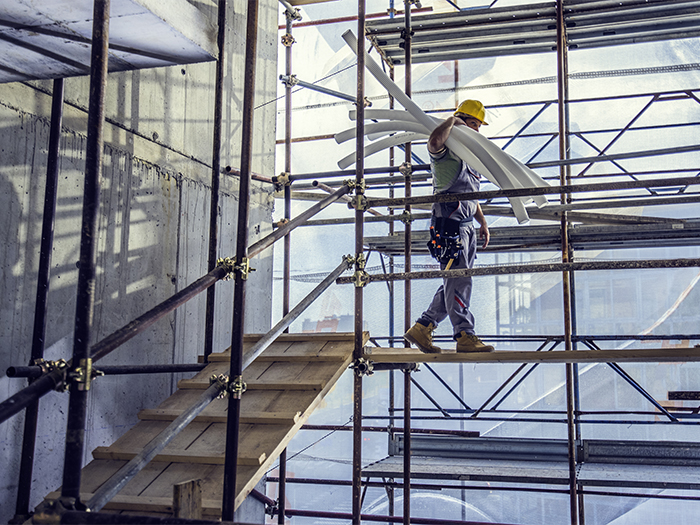
Employers and insurers are engaging workers in OSHA’s National Safety Stand-Down to help curb serious fall risk in the construction trades.
The decline of opioids is encouraging, but increased positive tests in methamphetamine and cocaine should be seen as a wake-up call for public safety.
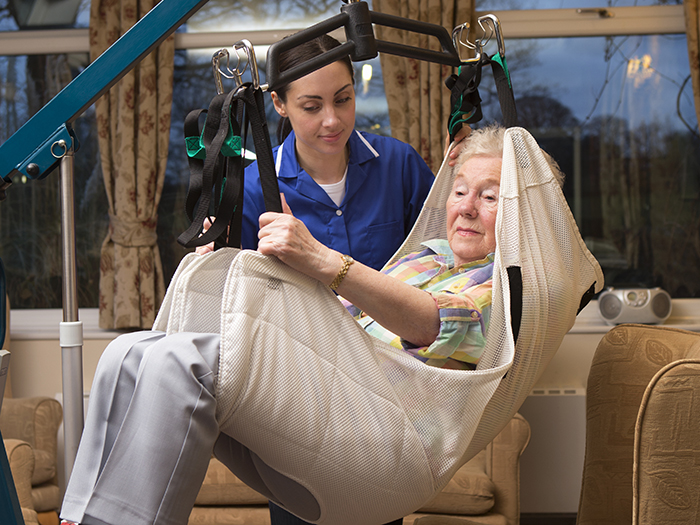
Overexertion, same-level falls and falls to a lower level top the list.
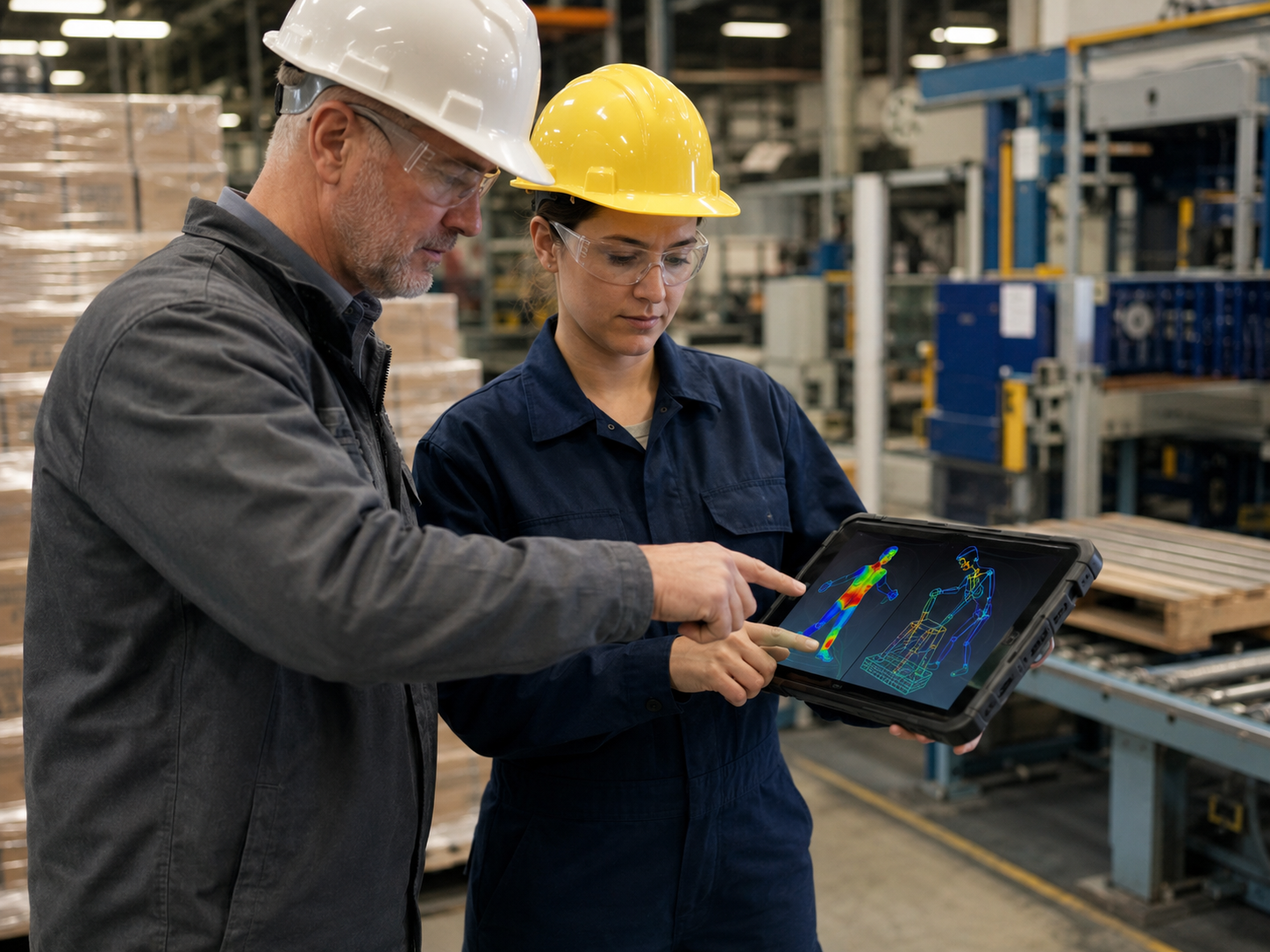
Robot co-workers may bridge talent shortfalls and improve productivity, but only if manufacturers anticipate the risks.
With more jobs utilizing technology advancements, manufacturing turns to cobots to help ease talent gaps.
Protective gear sized for men puts women at risk for injury in construction and many other trades.
A new Constructech ecosystem of wearable devices, sensors, virtual reality and drones will enable smarter and safer structures.
Automation may help companies prevent common injuries, but it’s not time to ease diligence on safety.
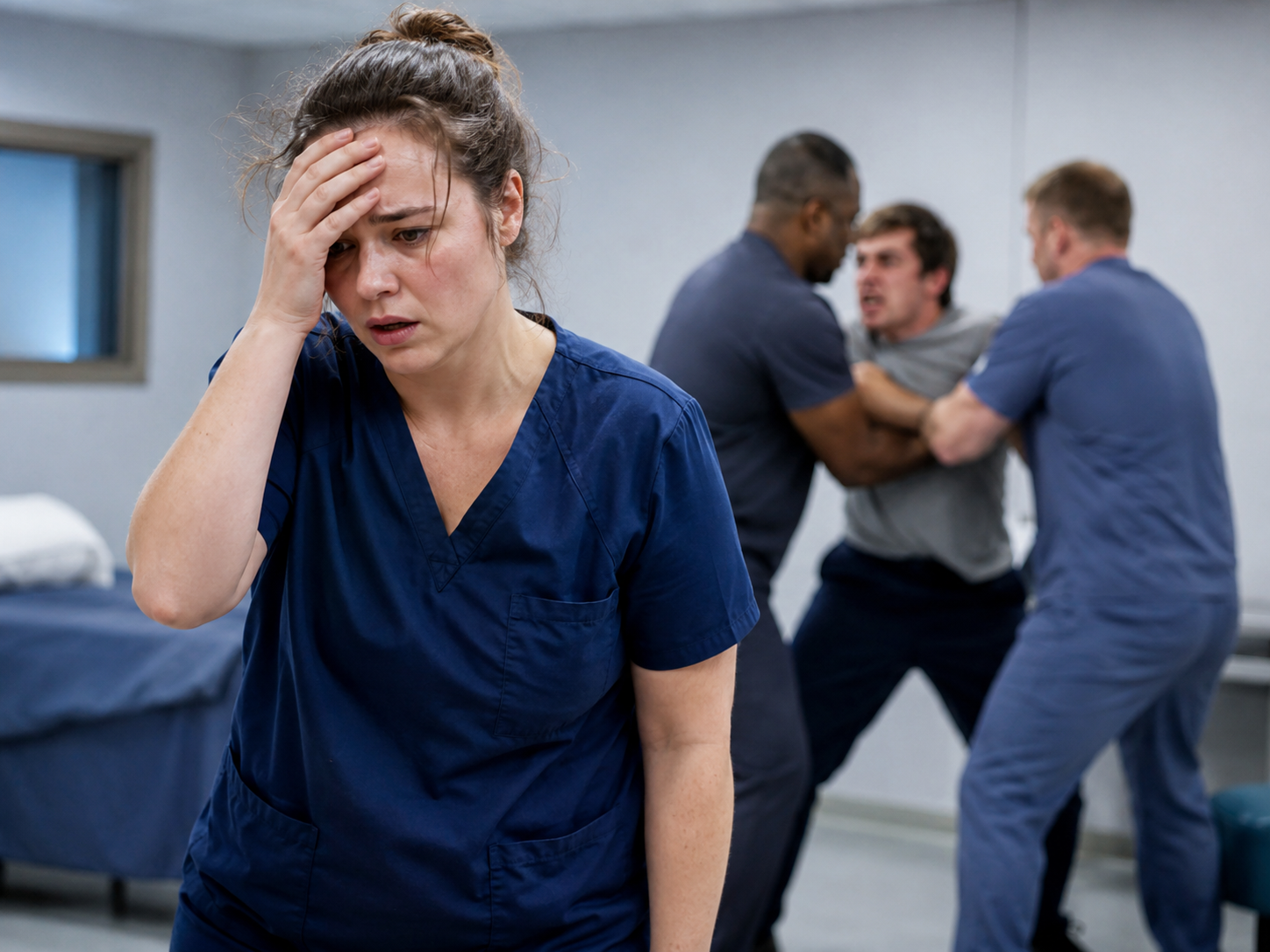
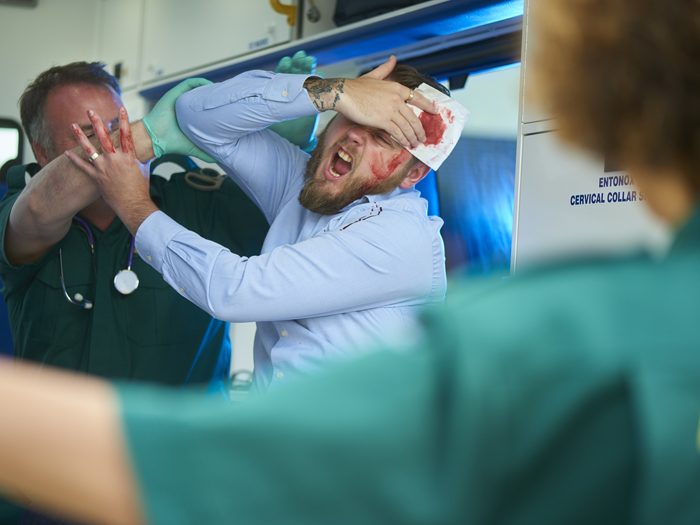
Homicides and suicides in U.S. workplaces are increasing year over year.
Large failures generally start with small failures that build on one another.
The very best workers’ compensation programs are the ones where workers aren’t just the subject of the program, they’re a part of it.
At Rochester Regional Health, the workers’ comp and safety team champion employee engagement and positive reinforcement.
Better coordination of workers’ compensation risk management spelled success for the Massachusetts Port Authority.
The Valley Health System shifted its philosophy on workers’ compensation, putting employee and patient safety at the forefront.
Recognizing parallels between athletes and public safety officials, the city of Denver made tailored fitness training part of its safety plan.
An ongoing shortage of experienced labor threatens the construction industry on multiple fronts.
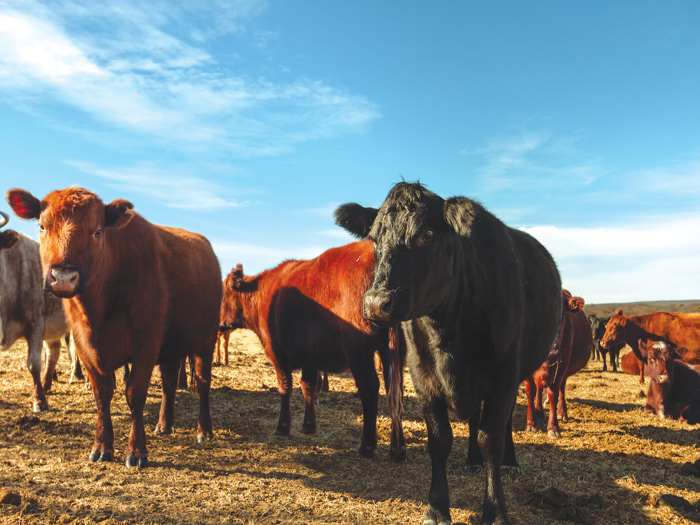
In an area where the labor market is tight, half of all dairy-farm workers are immigrants. Losing them would double retail milk prices and increase rate of injury.
A new study from CNA Risk Control dives into the root causes of slips and falls, promoting floor safety through maintenance and risk awareness.
Workers’ comp insurers want to know if marijuana can effect better outcomes than opioids.
Employers are urged to proceed with caution when returning to hurricane damaged properties.