Workplace homicides have remained essentially flat from 2011 through 2024, with no sustained upward or downward trend, according to the National Council on Compensation Insurance.
From triage-first models to pharmacy management and mental health intervention, a new analysis reveals the approaches delivering measurable results across workers’ compensation and liability programs.
National Safety Council CEO urges Congress to embrace proactive safety measures, AI integration and updated regulations to reverse flat fatality rates.
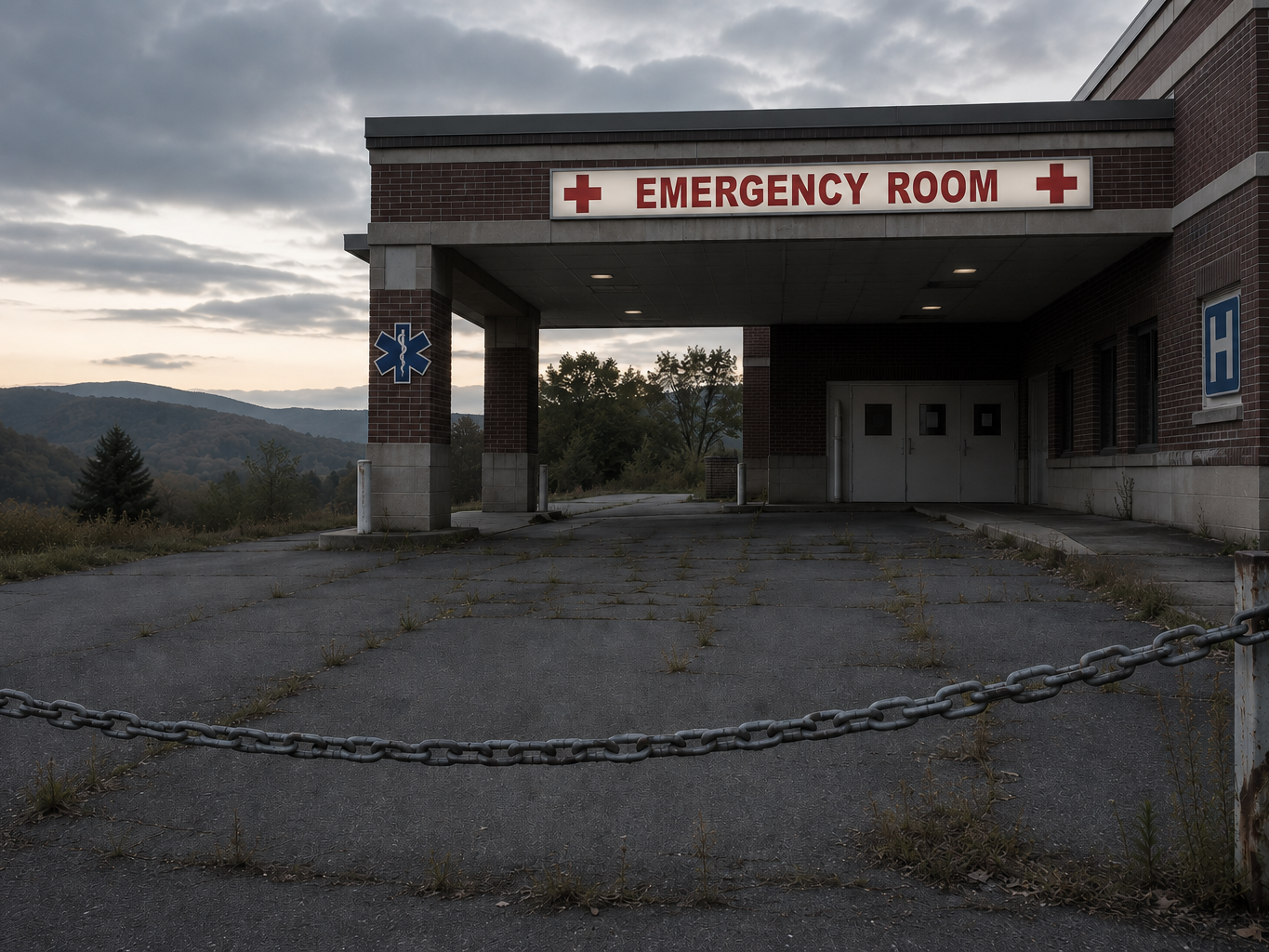
Rural hospital closures significantly increase travel distances to emergency care for injured workers, yet medical costs and disability durations largely unchanged: WCRI study.
NCCI’s 2026 State of the Line report found that workers’ compensation delivered a 91% combined ratio in 2025 even as net written premium edged down and claim severity rose.
Data-driven safety programs are reducing the worst crashes, but rising inattentiveness and tighter schedules are creating new challenges for fleet operators, according to Lytx.
AI is embedding in core safety processes while organizations struggle to keep digitalization and human-centered risk programs at pace, according to survey by Wolters Kluwer and the National Safety Council.
Piloting artificial intelligence in claims management is no longer the barrier, operational integration is. Here’s how claims organizations can move beyond proof of concept to realize the full value of AI.
Total costs per claim for lost-time injuries in California grew at a sustained pace from 2022 to 2025, according to the Workers Compensation Research Institute.
A survey of 1,267 workers across the U.S. and Canada found that safety perceptions have declined despite increased employer investment in hazard assessments and training, according to EcoOnline.
As more states adopt PTSD presumption laws for first responders and other at-risk workers, payers face new challenges in diagnosis, treatment, and long-term claim management. A thoughtful, collaborative approach is key to achieving better outcomes.
Medical costs in the workers’ compensation system grew at a more moderate pace than the broader economy in early 2026, but NCCI says the trend is unlikely to last.
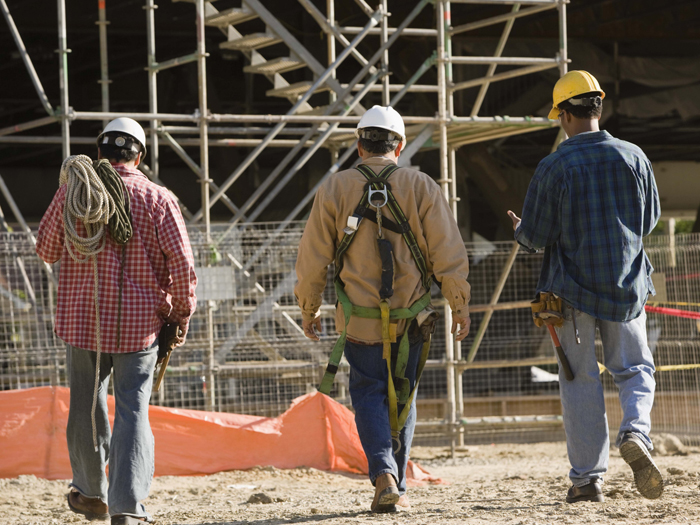
Firms with fewer than 20 employees represent more than 90% of construction payroll and face disproportionately higher fatal and nonfatal injury rates, according to CPWR — The Center for Construction Research and Training.
Average payments for air ambulance transport in workers’ compensation climbed sharply between 2013 and 2024, with wide variation across states, according to the Workers Compensation Research Institute.
Poor communication contributes to nearly 70% of workplace incidents, underscoring the business case for fostering psychological safety in construction and other high-risk industries, Gallagher Bassett says.
Nonfatal workplace assaults climbed steadily from 2011 through 2022, driven overwhelmingly by violence in health care and social assistance settings, according to NCCI.