Insurers posted a $431 million underwriting loss in 2025 as incurred losses and expenses reached 102% of earned premium, the Workers’ Compensation Insurance Rating Bureau of California found.
Court rules employees can receive benefits for third-party attacks if job duties or work environment increased their risk, rejecting narrow focus on specific task being performed at time of injury.
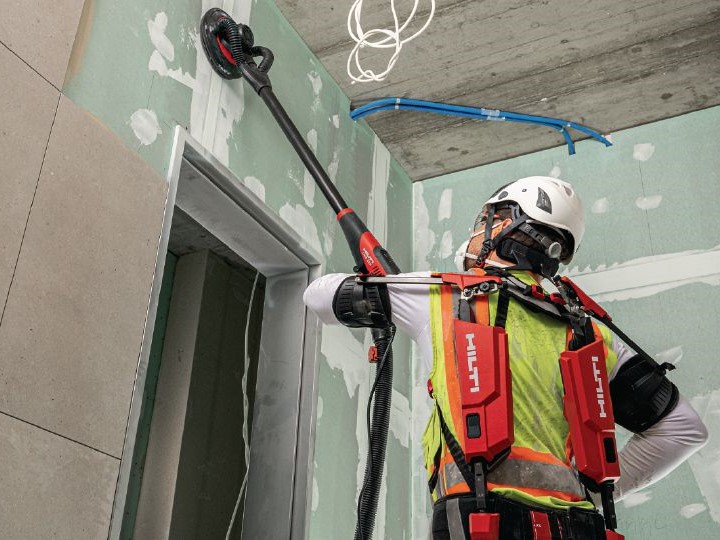
NSC-funded emerging technologies demonstrated practical potential for workplace MSD prevention, according to the National Safety Council’s MSD Solutions Lab.
Unlimited payroll, the near-universal exposure base for workers’ compensation insurance, may not scale proportionally with expected losses across wage levels, according to the National Council on Compensation Insurance.
Companies that piloted emerging ergonomic technologies reported reductions in injury-related costs and vibration exposures, the National Safety Council’s MSD Solutions Lab reports.
Early 2026 employment data suggests sectors with higher AI adoption may be shedding jobs while lower AI adoption industries add them, according to the National Council on Compensation Insurance.
Clinical engagement and pharmacy management drove consistent reductions in Medicare set-aside allocations over a four-year period, according to Tower MSA Partners.
A majority of the state’s highest court rules anti-referral provision doesn’t extend to prescription drugs, allowing doctors to direct injured workers to pharmacies in which they hold financial stakes.
Three structural threats — coverage cost-shifting, a narrowing wage-medical inflation gap, and rising labor market risk — may be poised to end workers’ comp’s decades-long winning streak.
Cumulative trauma claims in California have more than doubled in cost since 2021, according to the Workers’ Compensation Insurance Rating Bureau of California.
The U.S. economy added 172,000 jobs in May and job openings surged to their highest level since early 2024, according to the National Council on Compensation Insurance.
Workplace safety manager employment has grown 165% since 2010, far outpacing overall job growth, but staffing levels vary sharply by state and industry, according to TraceOne.
Prices paid for nonhospital professional services ranged from 28% below the multistate median to 174% above it in 2025, according to the Workers Compensation Research Institute.