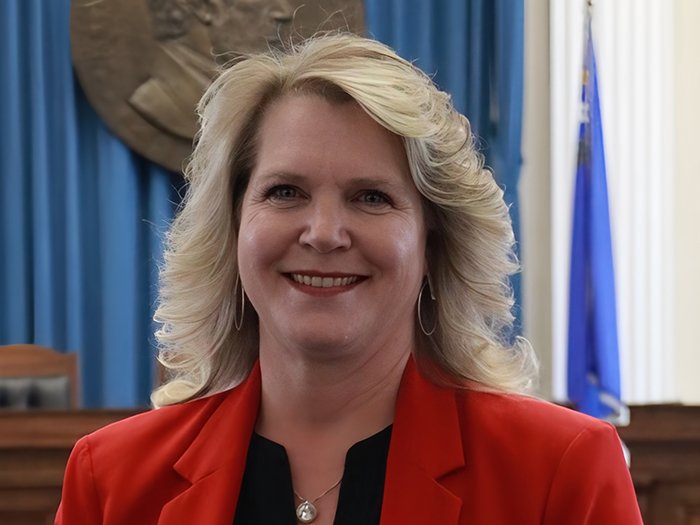
At National Comp 2025, Save Mart’s Rosie Partida reveals the strategy that transformed a workers’ comp program—and the safety culture for 12,000 employees.
FedEx and Enlyte discuss how merging seven separate workers’ compensation systems through human connection and an innovative nurse triage line achieved 79% utilization and cut indemnity claims from 57% to 33%.
Delaware’s DFIT team discusses how transforming safety from a compliance checkbox into engaging events like their legendary snowplow rodeo helped achieve up to 70% medical cost savings across municipal workers’ comp programs.
WeGo Public Transit’s Nick Oldham discusses how breaking down silos, partnering with the right TPA, and adopting a Chick-fil-A-inspired hospitality approach transformed their workers’ compensation culture and delivered measurable results.
Sharp HealthCare’s Scynthia McNabb Syfrett discusses how integrating behavioral health with workers’ compensation through the biopsychosocial model gets injured employees the mental health support they need—fast.
As retailers prepare for the 2025 holiday rush, two priorities will make or break the season: bringing on reliable seasonal staff quickly and keeping employees and customers safe through peak traffic.
A decade of declining rates ends as medical inflation, litigation costs and reserve pressures reshape the industry landscape nationwide, Risk Placement Services reports.
Analysis of historical data suggests the 43-day funding lapse will cause only temporary disruptions rather than lasting damage to GDP or workers’ compensation trend.
Workers’ comp pharmacy leaders face a shifting landscape in 2026, where supply disruptions, regulatory pressure, and AI-driven insights will define performance.
Injured workers can drive down workers’ compensation costs rather than inflate them—if they’re properly educated and engaged in their own recovery using proven ERAS principles.
Decision reinforces that original carriers remain liable for injury recurrences, illustrating how prior claim settlements can permanently bar future compensation when old injuries resurface.
Despite social inflation pressures and casualty line struggles, robust investment income and disciplined underwriting support stable outlook for sector: AM Best.
Ruling upholds ‘prevalence’ framework, allowing workers’ compensation for employees who contracted virus in high-risk workplace settings without identifying exact moment of infection.
In the workplace, innovation isn’t bound by age. Every generation brings valuable perspectives that help drive a company’s growth. As workforces become more multigenerational, there is a notable presence of workers aged 60 and older. For many seasoned professionals, longer life expectancies, financial realities, and shifting views on retirement fuel their decision to continue or… View Article
In workers’ compensation risk management, fragmented data systems can prevent stakeholders from seeing the complete picture. Industry leaders are turning to integrated analytics to bridge these gaps and deliver better outcomes for injured workers.
As workers’ compensation claims become more costly and time-consuming to resolve, understanding the multiple factors driving complexity has never been more critical for effective claims management.