Advanced technologies such as artificial intelligence (AI) and natural language processing (NLP), along with data analytics and system integration, support stronger claims processes that bring out the best of what claims teams can offer injured workers.
The opioid misuse crisis continues to negatively impact the lives of patients while costing our health care system billions of dollars. This is why it still deserves our focus.
Join myMatrixx’s Phil Walls and The Hartford’s Adam Seidner as they explore alternative approaches to opioid pain management in workers’ compensation claims.
It’s more important than ever that we reach out, connect, and share what we know. National Comp’s 2021 conference is the place to do that. Submit a proposal today to be considered for our 2021 Conference Program.
Kristine Kennedy, SVP of Product Strategy and Innovation at Healthesystems, explains how digital solutions can go a long way in improving the claims experience and outcomes.
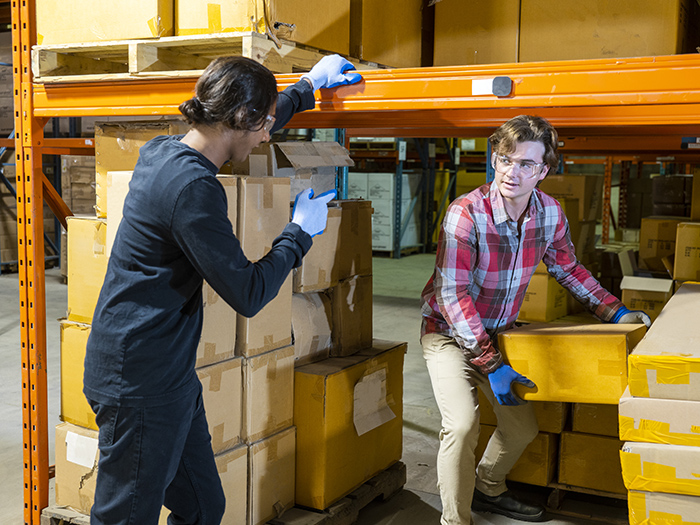
At a digital session of the National Ergonomics Conference & ErgoExpo, two experts explain their system for helping health care workers prevent injuries.
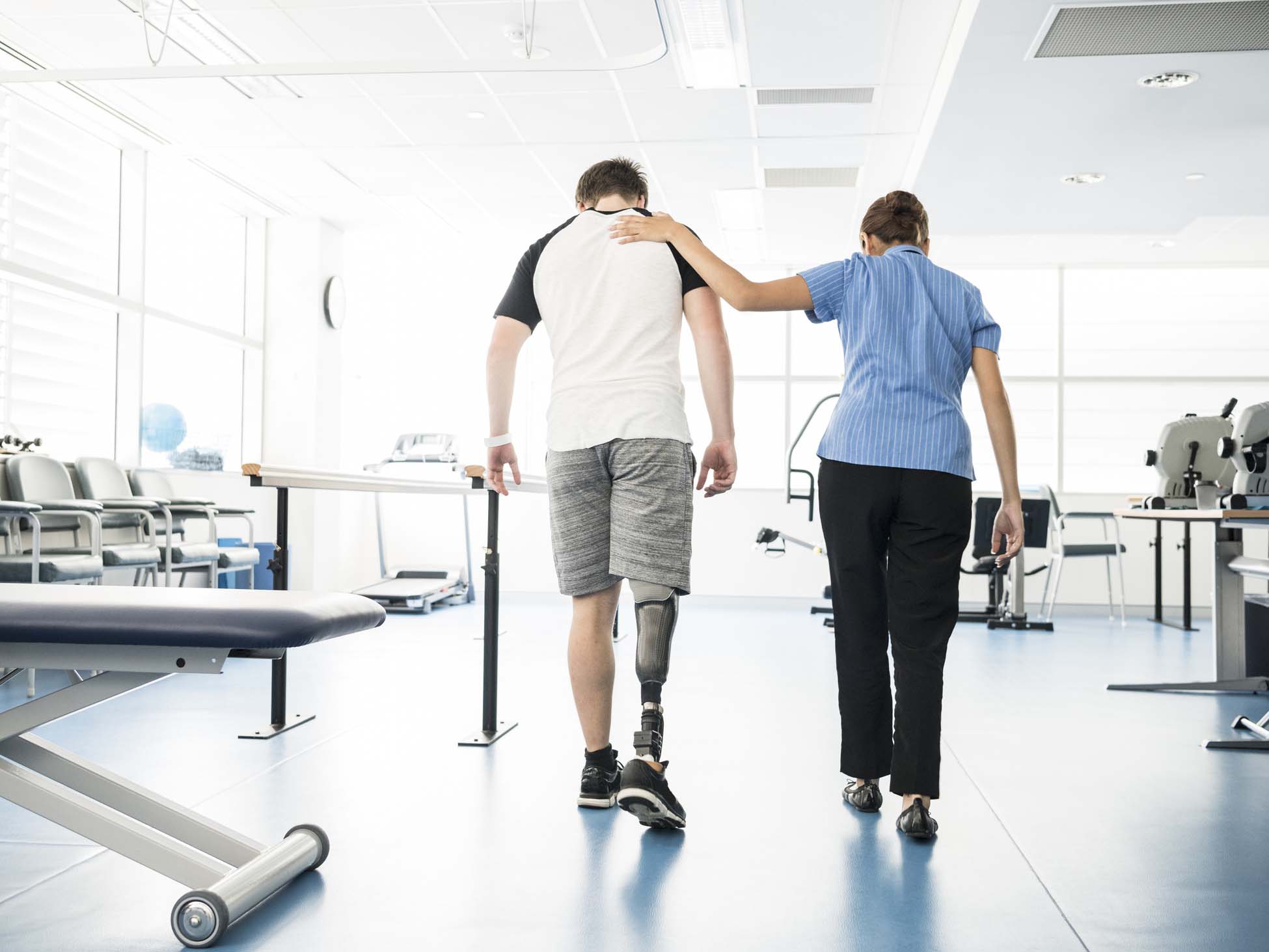
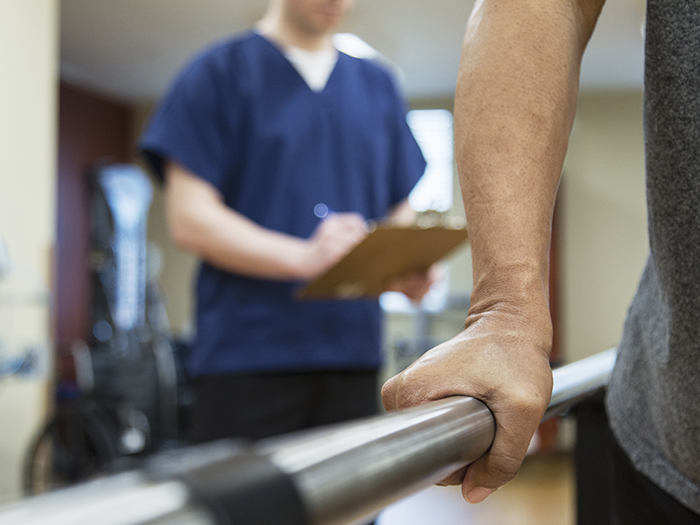
A recent WCRI study found that initiation of physical therapy within the first two weeks post-injury is associated with lower medical utilization and costs and shorter duration of temporary disability.
Representatives of every facet of the workers’ comp industry ranked the factors and trends they view as most disruptive. While most present new challenges, some could bring positive change to the industry.
As the novel coronavirus limited in person interaction, many turned to their screens to seek medical help. What will the future of telemedicine look like post-pandemic?
2020 has been a challenging year for small businesses. Having these conversations with your agent or broker can make your workers’ comp policy less of a headache.
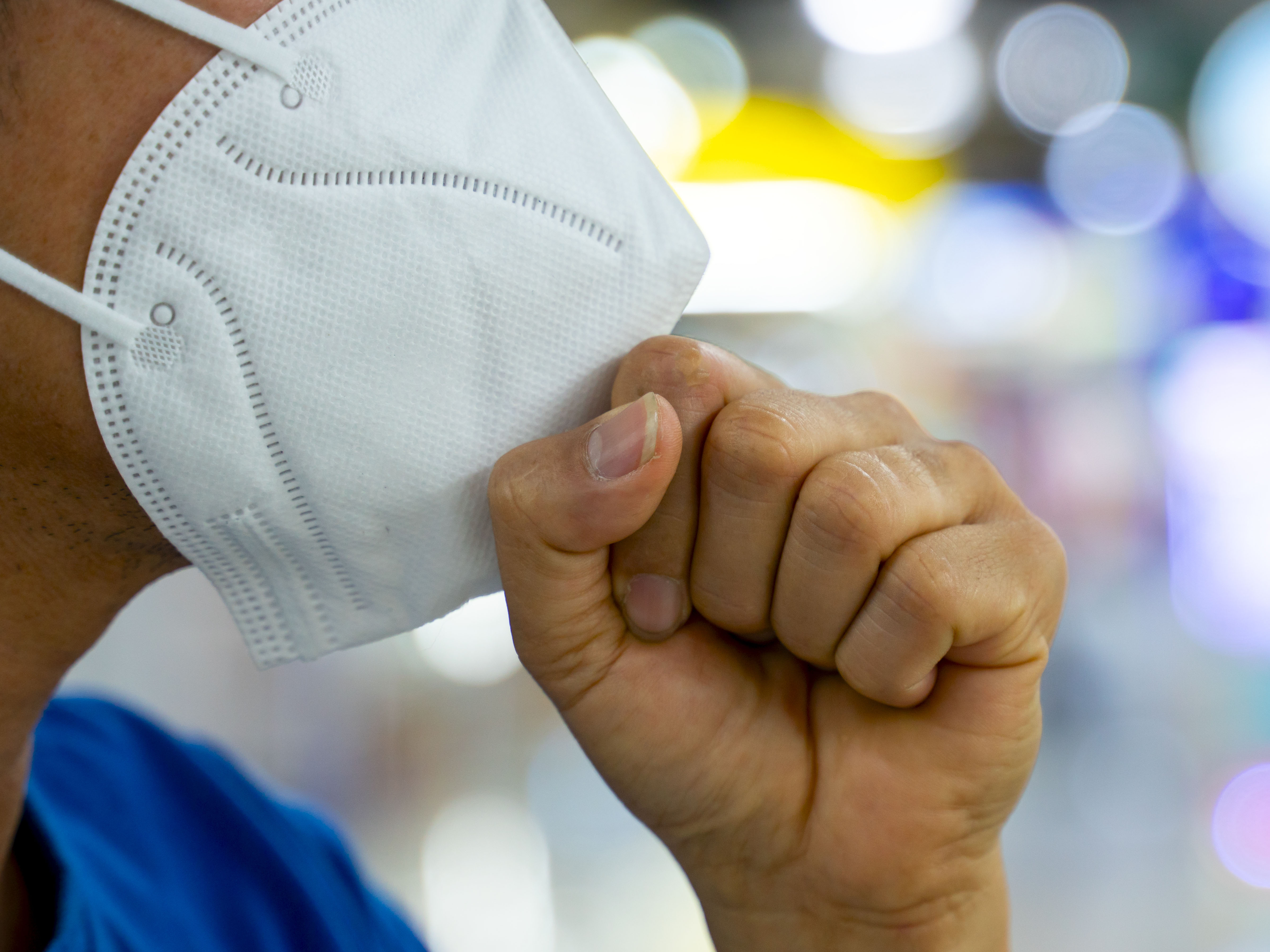
Our most-read workers’ comp stories of 2020 revolve around the novel coronavirus, its worker safety implications and the financial effects it’s had on the industry.