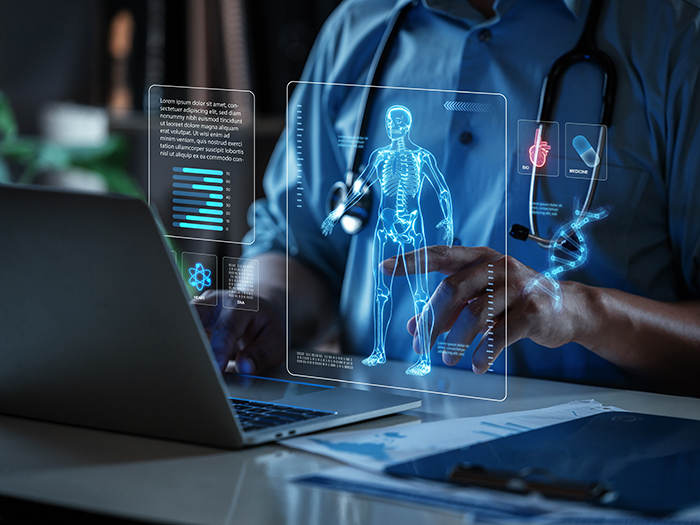
AI in claims is no longer about insight alone — it’s about embedding intelligence into everyday workflows to drive faster decisions, stronger outcomes, and more human-centered care.
Compounding forces including litigation funding, nuclear verdicts and aggressive trial strategies are pushing medical professional liability severity well beyond general inflation, S&P Global Market Intelligence found.
Nonfatal workplace assaults climbed steadily from 2011 through 2022, driven overwhelmingly by violence in health care and social assistance settings, according to NCCI.
As data-only extortion surged to 65% of cases in the second half of 2025, organizations face reputational and legal fallout that outweighs operational disruption: Resilience.
Rising ransomware attacks, third-party vulnerabilities and insurance exposure are transforming health care cyber security into an enterprise-wide resilience challenge.
Health care sees some segments softening while segments with vulnerable populations, claims severity face sharp rate increases and capacity constraints, Amwins report.
SHARP HealthCare halved complex claims using early biopsychosocial intervention, saving overall exposures for the workers compensation program $3M annually and improving recovery outcomes.
Violence against health care workers is showing no signs of slowing down. Health care organizations must lean into risk management, or face expensive and painful consequences.
As the workers’ comp industry evolves, artificial intelligence, automation, and value-based care are transforming claims management—enabling faster, smarter, and more holistic recovery strategies for injured workers.