The best of R&I and around the web, handpicked by our editors.
White papers, service directory and conferences for the R&I community.
Web replica of the print magazine.
Sixth consecutive quarterly rate decline signals sustained relief for commercial insurance buyers, though U.S. market shows mixed signals across coverage lines: Marsh Risk.
Site-specific risk assessments do what standard models can’t, benefitting both insurer and insured.
Investment in Chile and Paraguay is up sharply, as Brazil sees some investment declines.
The threat of a catastrophic cyber attack on our infrastructure is real.
Legionella remains a costly and deadly foe in real estate, hospitality and other sectors of the economy.
Encrypted DNA can track stolen artwork as well as be used for authentication purposes.
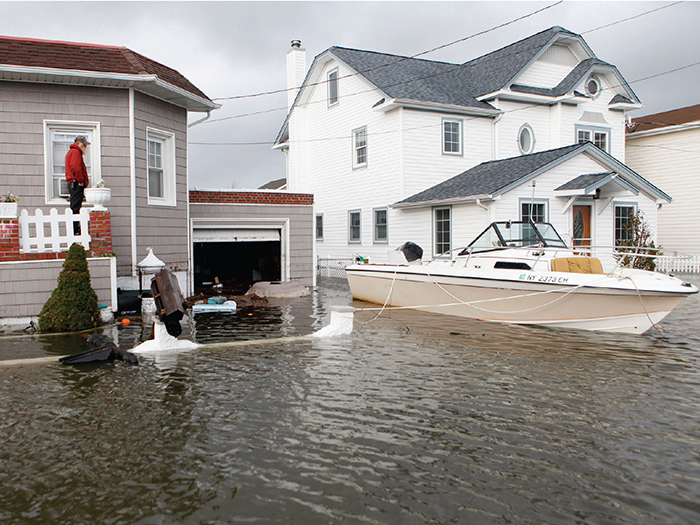
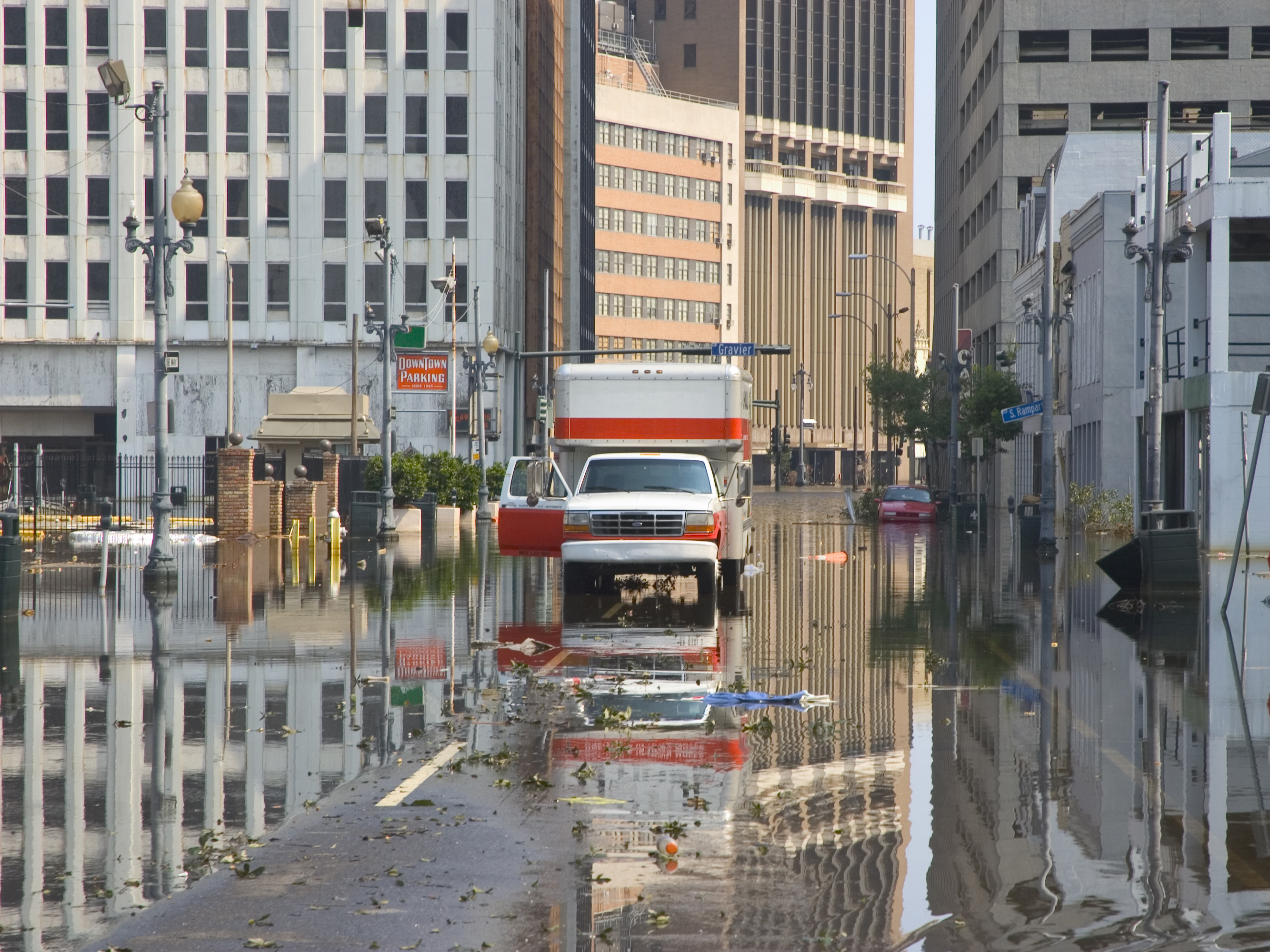
The private insurance market needs to better understand exposure to flooding.
Except for cyber, risk managers can expect declining insurance premiums.
Coral reefs protect against flooding, and coral is used in the creation of heart disease and cancer drugs.
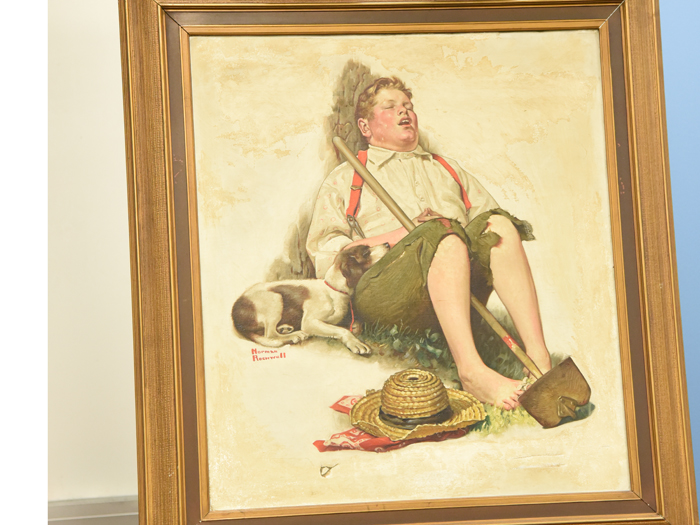
In response to a need to protect fine art and other collectibles from natural catastrophes, the art warehouse industry is on the rise.
Failure to arrange the proper cover for regulatory penalties in the energy sector adds up to big losses.
Many coastal U.S. cities are sinking, while sea levels are rising. Commercial property owners may be more exposed to flood risk than they realize.
The deeper we drill in the ocean for oil, the more the risk increases.
The fear of powerful winds and storm surge has led to the development of specialty warehouses.
Drones are creating public safety hazards, and there’s little that can be done.
Underwriters are modeling storms better and businesses are revamping their business continuity plans – but memories can be short.
A 45-day superstorm floods California and dishes out economic catastrophe.
A dirty bomb detonated in Manhattan could make a ghost town of the most populous city in the U.S.
A fast-moving geomagnetic storm blasts the North American power grid, leaving a large swath of the Northeastern U.S. temporarily uninhabitable.
Drowning, drones and civil unrest are on the list of water park perils.
Light lumber, cost controls and a soft property market are exposing owners and insurers.