During a recent session at the virtual Ergo Expo conference Facebook’s human factors researcher shared why workplace environment is an important consideration for ergonomists.
These resource centers can help employers navigate the public safety, legal and ethical aspects of curbing the spread of COVID-19 in the workplace and minimize related risks.
Described as a ‘natural settling place’ for COVID-19 claims, the workers’ comp landscape is just getting started in pandemic-related legal entanglements.
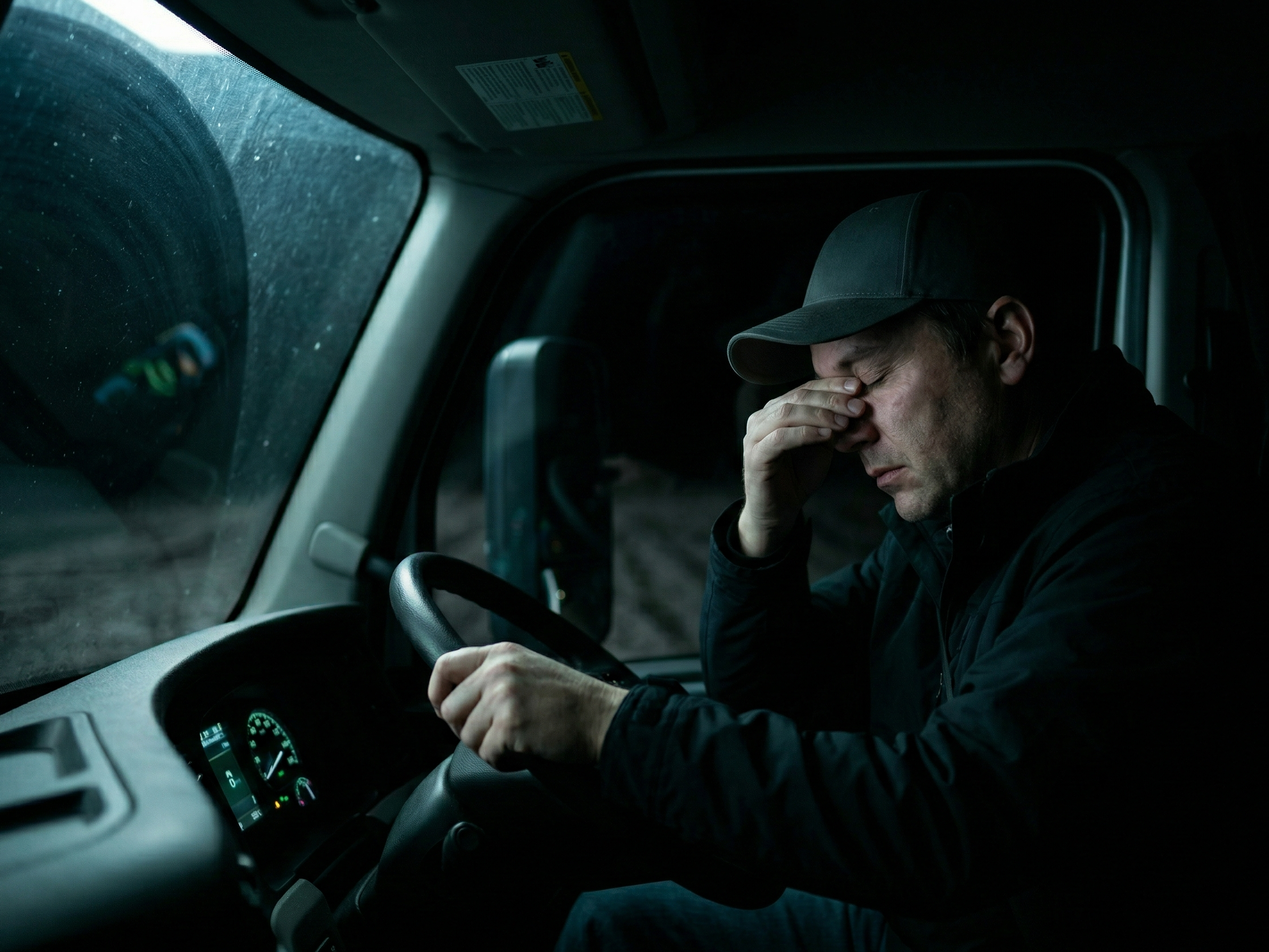
Fatigue is so much more than needing another cup of coffee, it could be a matter of life and death. Although the technology is young, companies are already adopting fatigue identification software.
Working remotely is not an option for many businesses, so employers need to carefully devise a plan and protocols to contend with the serious risks associated with coronavirus.
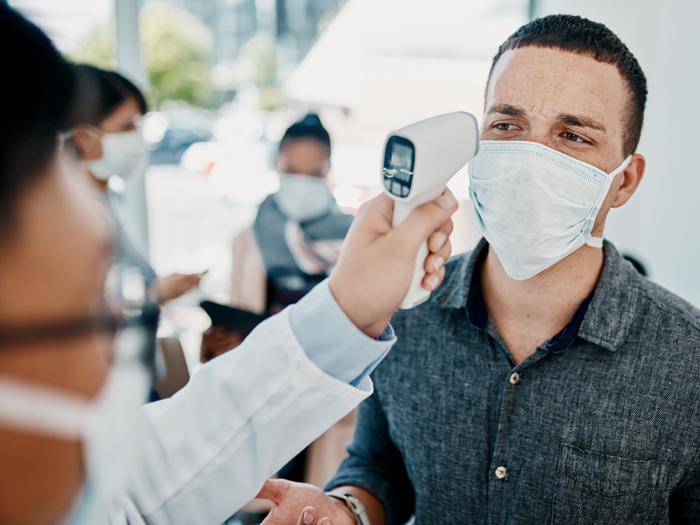
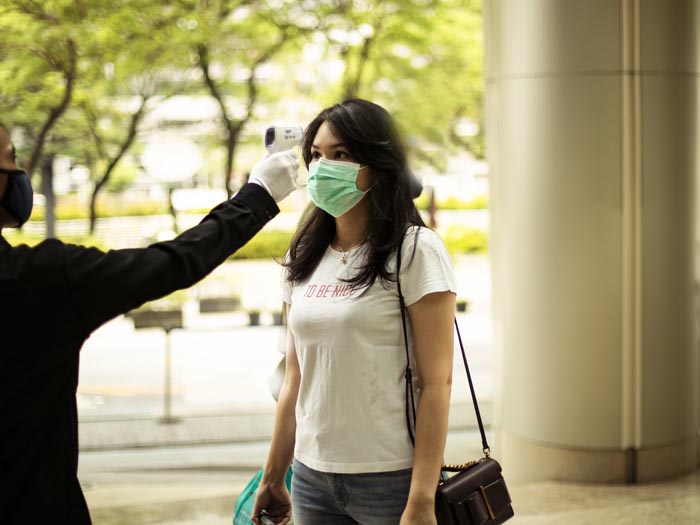
Some employers are scrambling to implement COVID-19 testing or screening procedures as they reopen. These tips can help organizations avoid putting themselves at legal risk in the process.
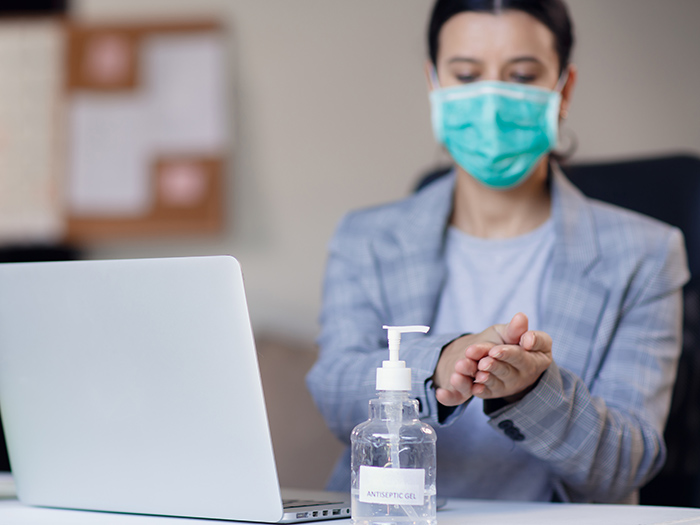
There are several simple software solutions, wearable devices and apps that can help employers reduce the spread of COVID-19 and protect their employees.
Extended use of masks may lead to breathing issues, particularly for workers wearing them for over eight hours. But there are methods to help reduce the risk.
As businesses reopen and workers’ comp compensability laws proliferate, employers have their hands full staying in compliance with a myriad of rules for keeping workers safe.`
California’s new presumption law will enable all workers to file for workers’ comp if they believe they’ve contracted COVID-19 at work. What will this mean for the WC industry?