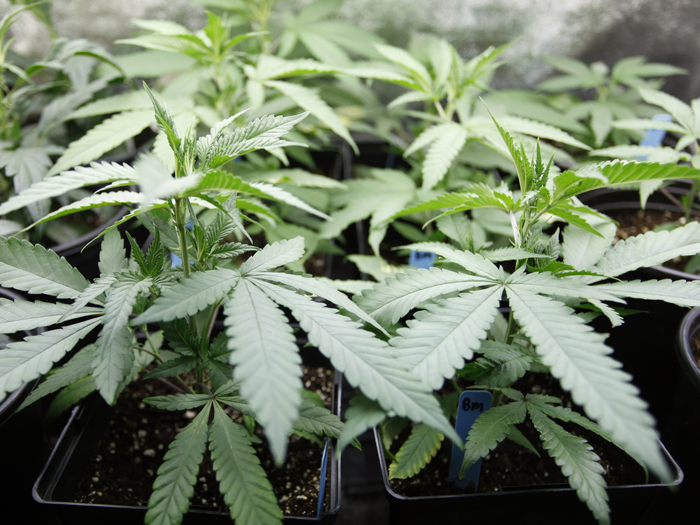
This definitive timeline of cannabis legalization in the U.S. shows the reach of marijuana throughout the country, leading to more employers seeking impairment testing.
With increased legalization, marijuana use and its impacts is becoming a more common subject of debate in the world of workers’ comp. Here are a few medical insights workers’ compensation pros should keep in mind.
A performance report on the first five years of California’s independent bill review program reveals that claims adjusters’ billing decisions rarely align with how the state workers’ comp system sees things.
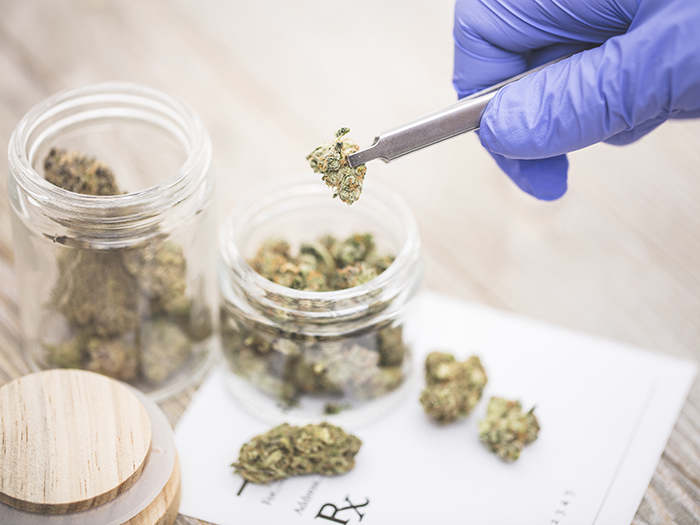
Workers’ comp needs a better solution for opioids than more prescription opportunities. And luckily, numerous alternative treatments are already at our fingertips.
The 2018 Workers’ Compensation Benchmarking Study suggests leaders are shedding the confines of traditional thinking as they strive to offset continued growth of medical costs.
Because accidents happen, the strategies an employer implements at the start of a workers’ comp claim will dictate if it becomes a legal affair. Two experts share how to avoid just that.
Payers have a smart tool at their disposal to encourage settlement acceptance, reduce the risk of liability, and do the right thing by injured workers.
Chia-Chia Chang, public health analyst for the CDC, sat down to discuss how linking health to safety practices cuts lost time and enhances worker well-being.
Value-based care will transform the way that medical providers treat injured workers. At the upcoming National Workers’ Compensation and Disability Conference, experts from Healthesystems will explain how it can work at your organization.
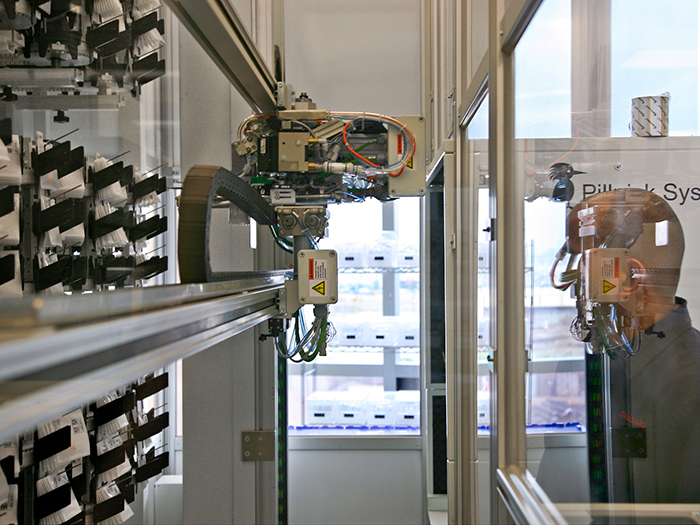
Robots in workers’ comp will enhance providers’ ability to deliver high-quality care to injured workers and can help payers control pharmacy-related costs.
The Workforce Safety team at Northwell Health is full of fresh ideas, including a dynamic safe patient handling program that cut lost time and indemnity claims by a third.