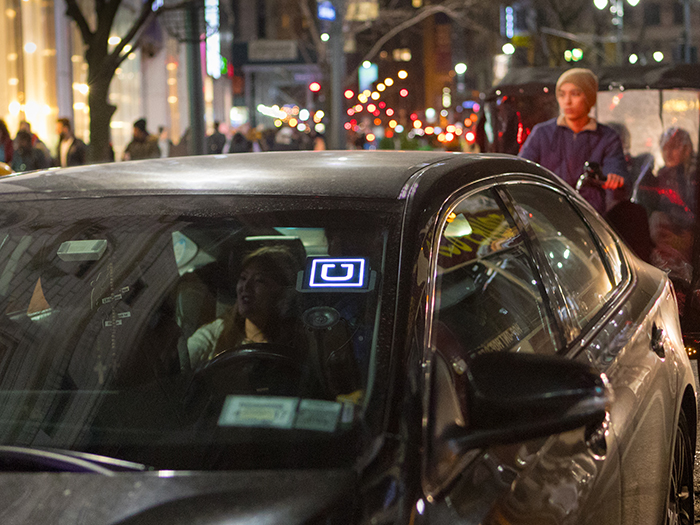
When we talk about dangerous jobs, most people thinking about police, firefighters, fishermen or construction workers. But there’s another amongst the fastest growing category of high-risk jobs.
This fall at NWCDC, employers can learn more about implementing a post-offer screening process without risking a breach of federal anti-discrimination laws.
As attacks on solo employees gain media attention, companies are offering solutions that can protect employees and give them the peace of mind they need.
The opioid problem has reached epidemic proportions, affecting 40% of Americans in some way and costing businesses $26 billion to $54 billion per year in lost productivity.
Pro-gamers and office computer users have more in common than you’d think — at least in their injury risk profiles. One surgeon is sharing tools that will help them both.
This definitive timeline of cannabis legalization in the U.S. shows the reach of marijuana throughout the country, leading to more employers seeking impairment testing.
While there are investigative techniques used in an after-accident review, use of the term investigation almost presumes the employee is guilty of something. But AARs should be fact-finding, not fault-finding.
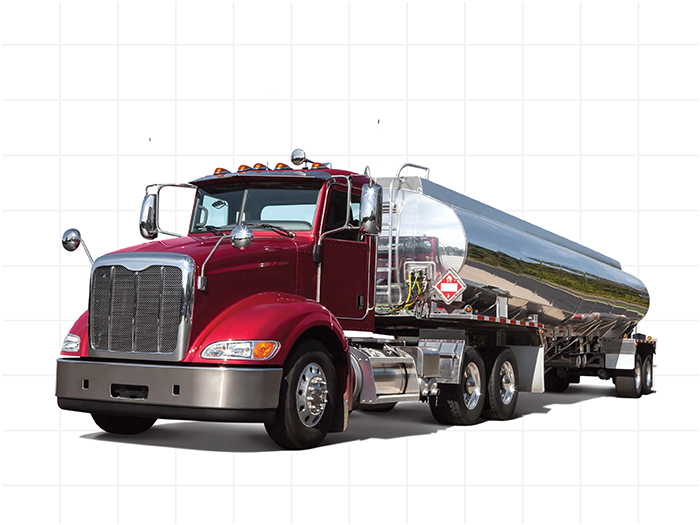
From traditional risks like safety and oil volatility to emerging exposures like climate change litigation, here are the top risks facing the sector today.
When the data from wearables is integrated with virtual and augmented reality, simulated ‘virtual workers’ will help companies get a grip on workplace risk before incidents even occur.
During the government shutdown, the news focused on the 800,000 furloughed workers who went without pay for over a month — and justifiably so. But in the background, another group of workers suffered.
Coffee giant Starbucks and other restaurateurs are grappling with safety issues surrounding needles and other hazardous objects being left on their premises.