
Property rates continue to fall despite billions in losses while casualty capacity tightens and power and renewables risks grow more complex, according to Amwins.
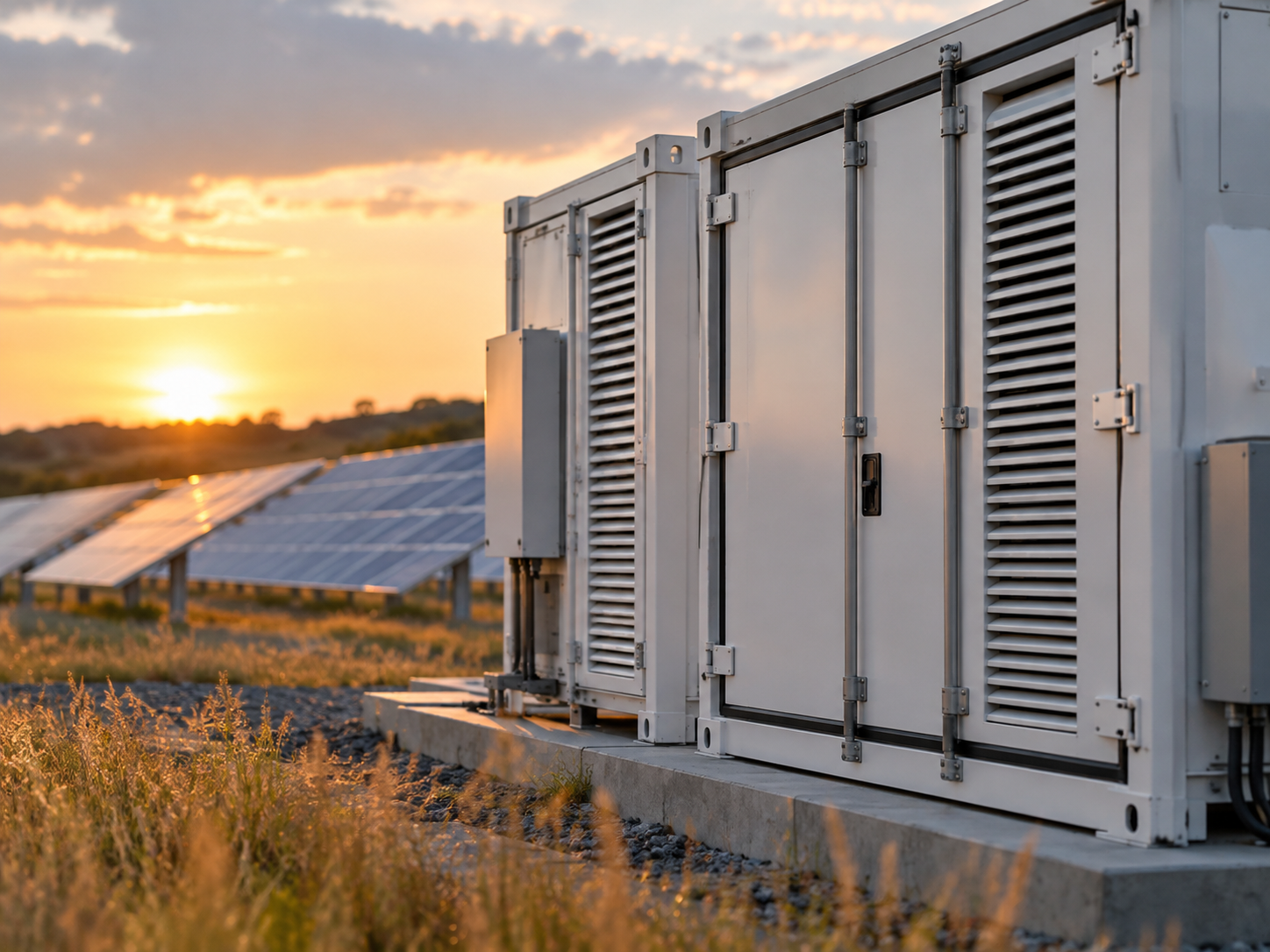
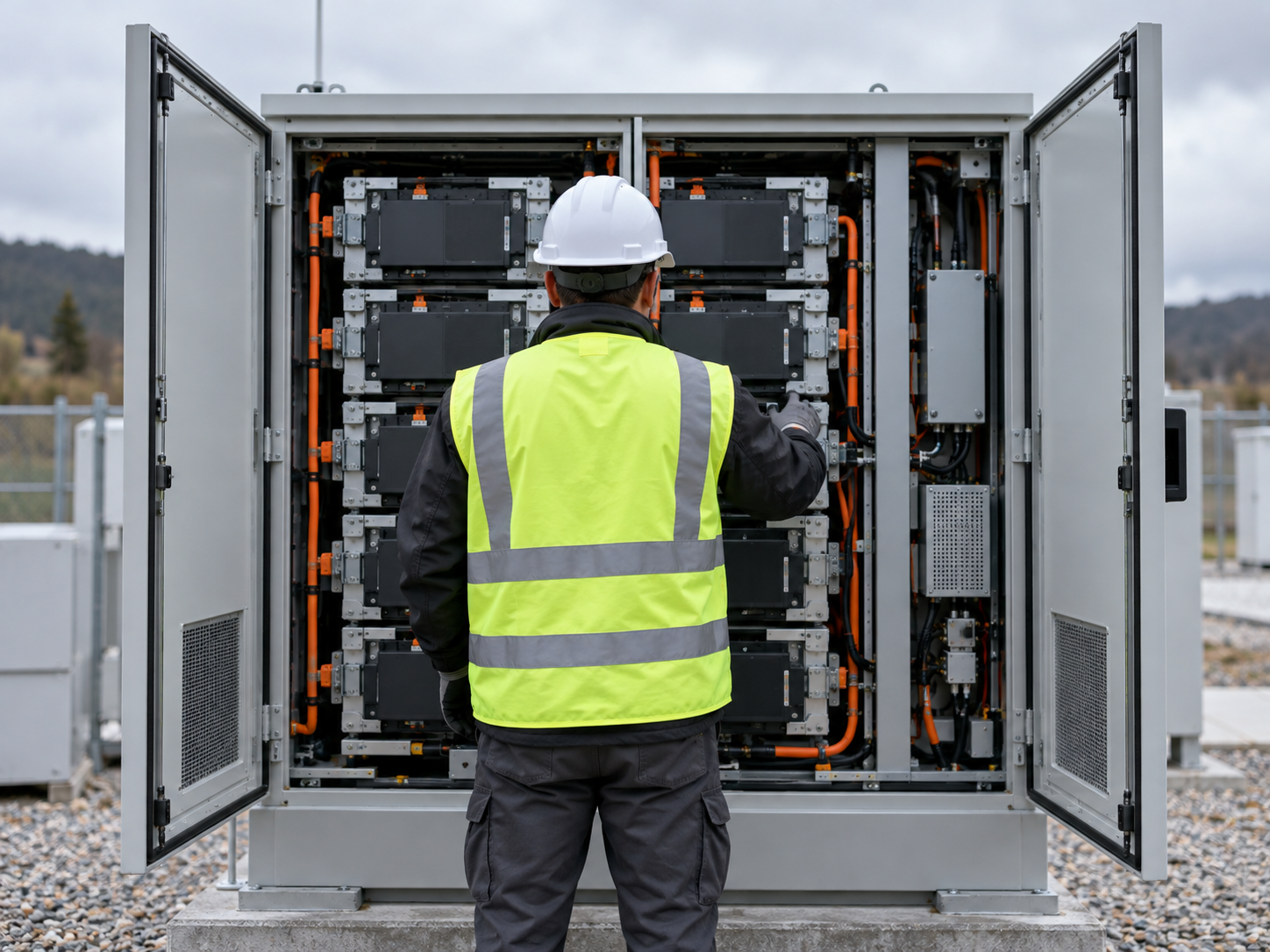
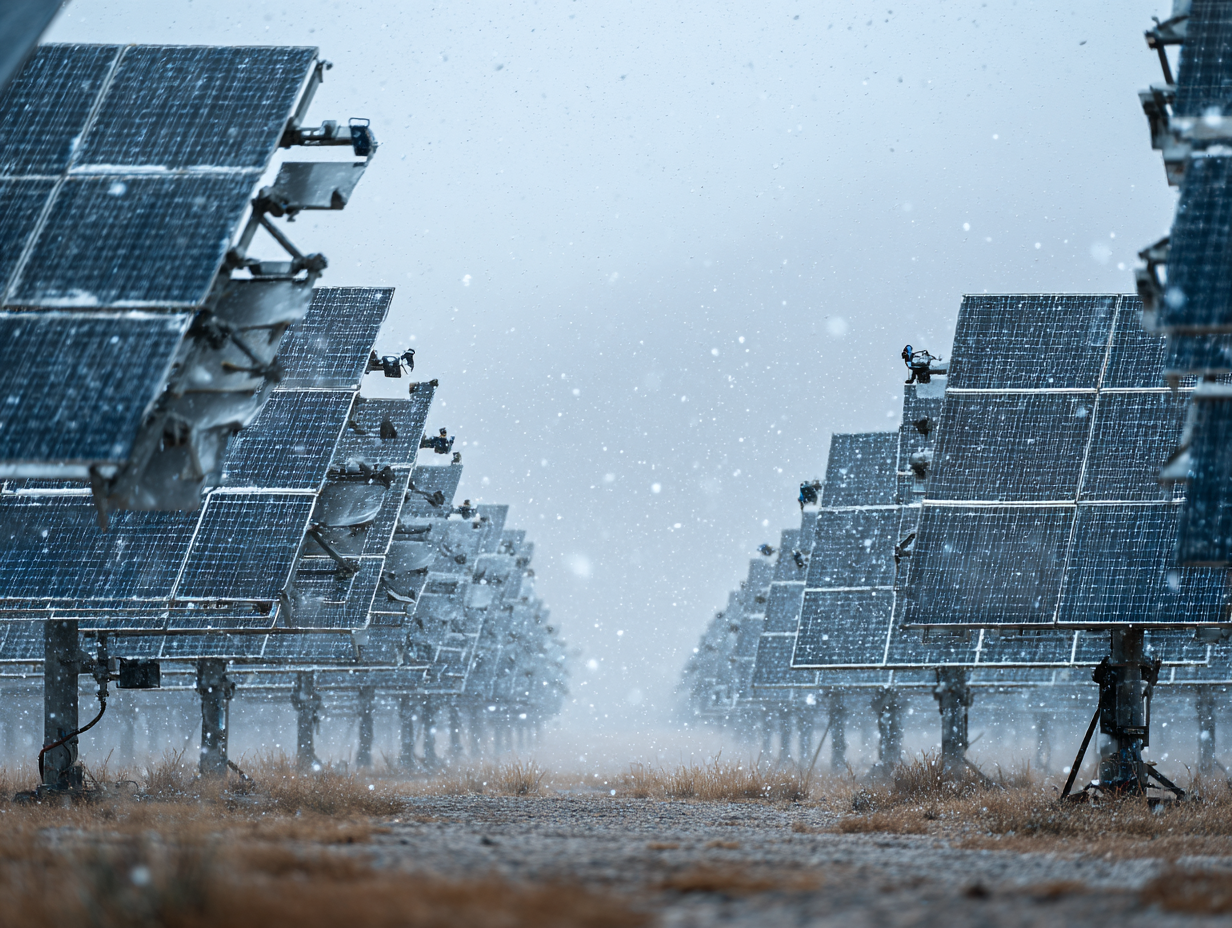
Hail-stow automation, fuse installations and controlled shutdowns each prevented significant damage to renewable energy assets during severe weather and equipment failures, according to kWh Analytics.
A global survey of 750 power generation risk decision-makers found that 78% say site selection decisions frequently create unanticipated downstream exposure, according to FM.
Abundant capacity and intensifying competition are driving premium reductions, but underwriters are increasingly rewarding risk quality, according to WTW.
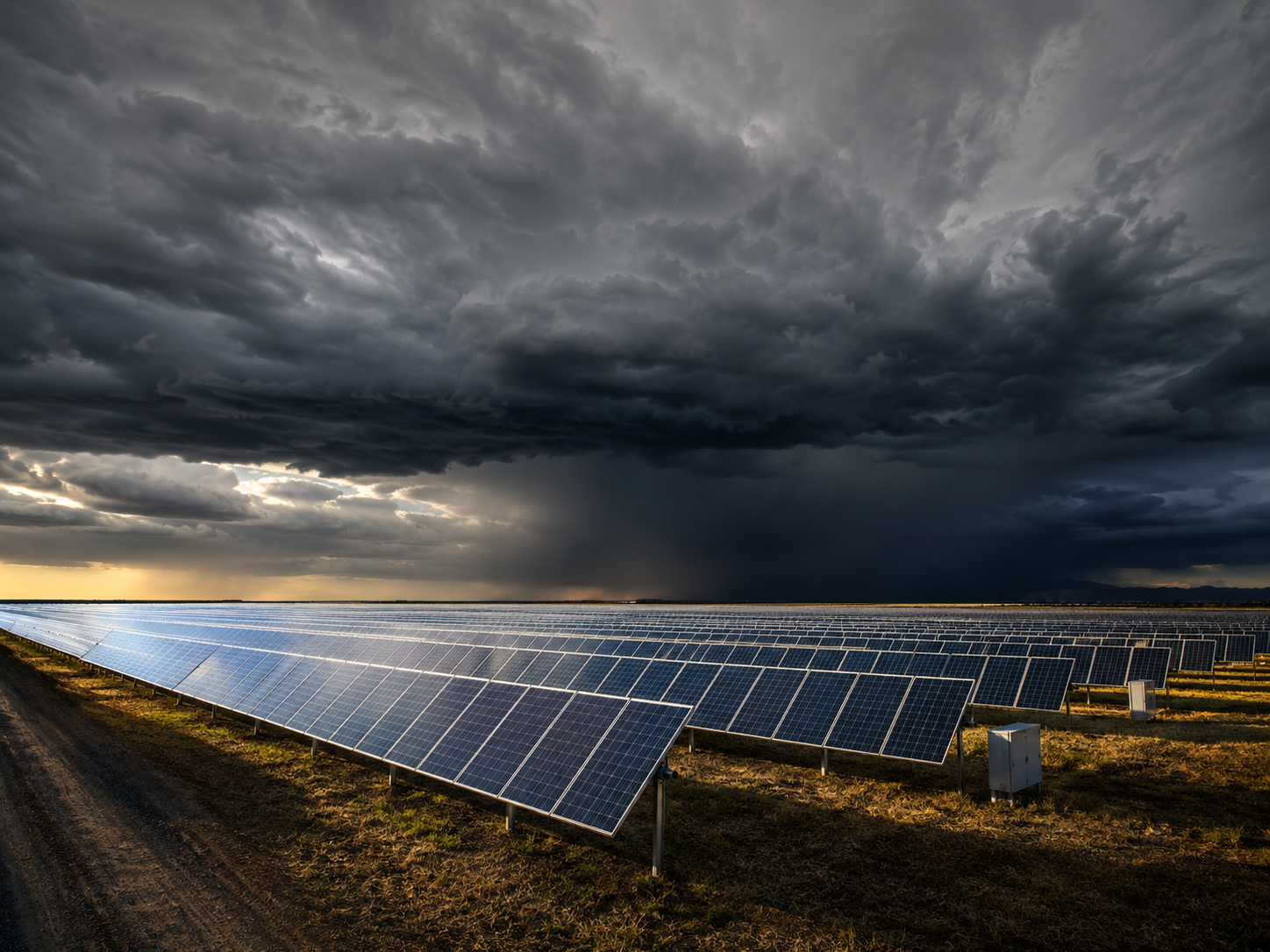
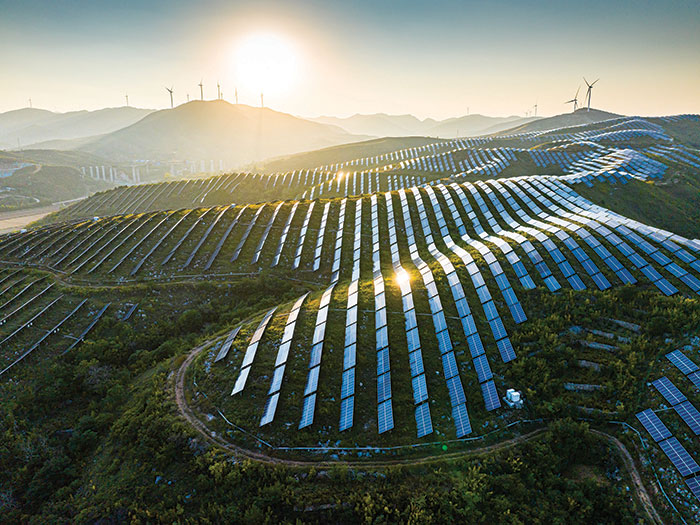
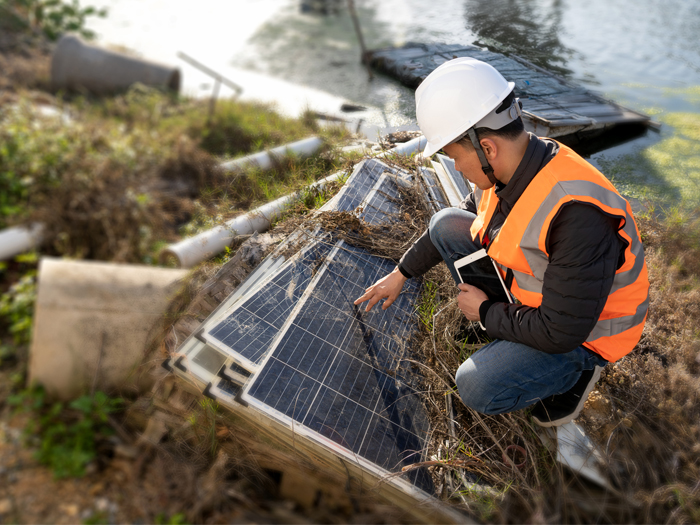
The rapid expansion of solar photovoltaic farms into hail-prone regions is creating new underwriting challenges that demand better risk modeling and mitigation strategies, according to Gallagher Re and AXIS.
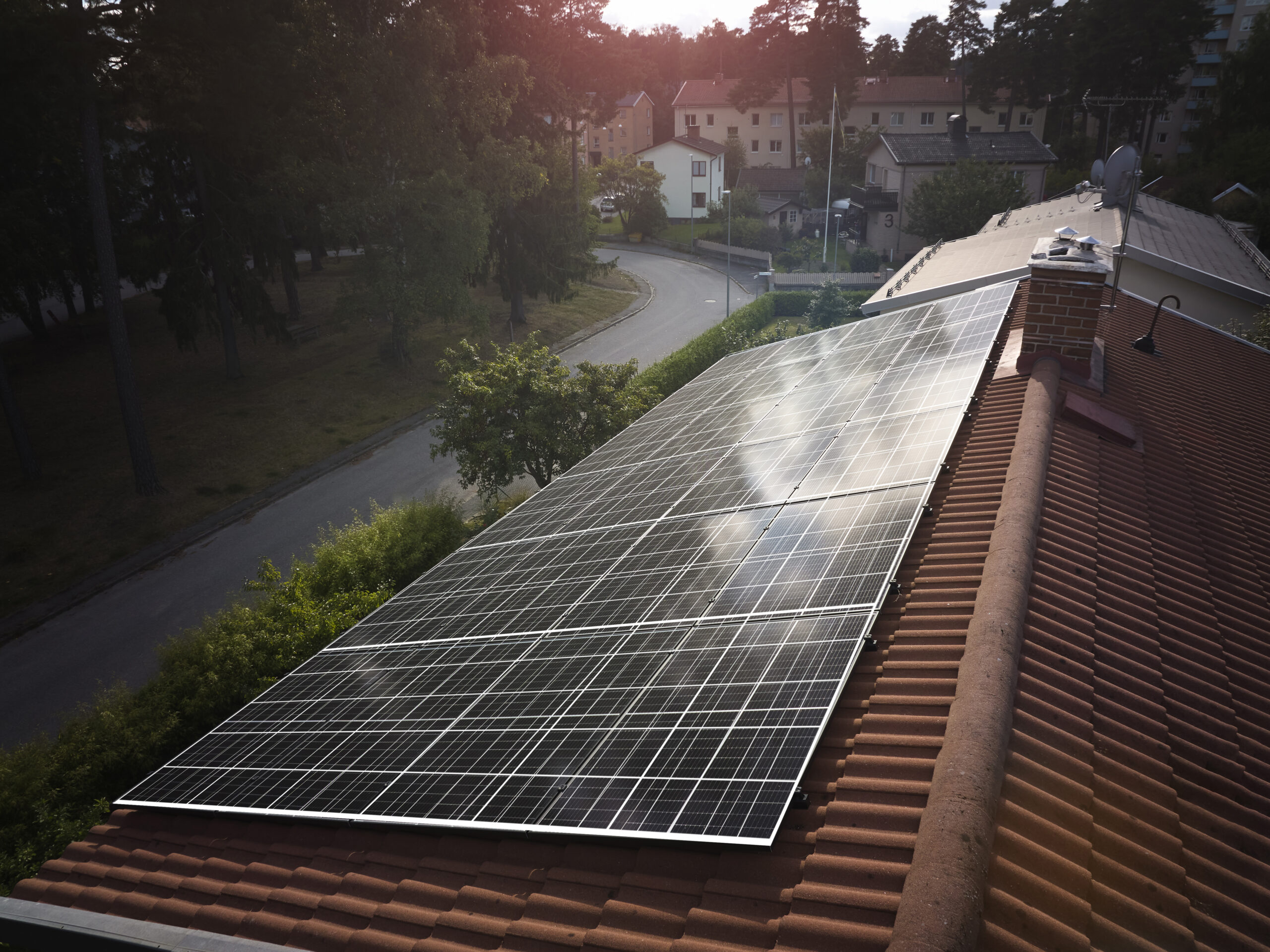
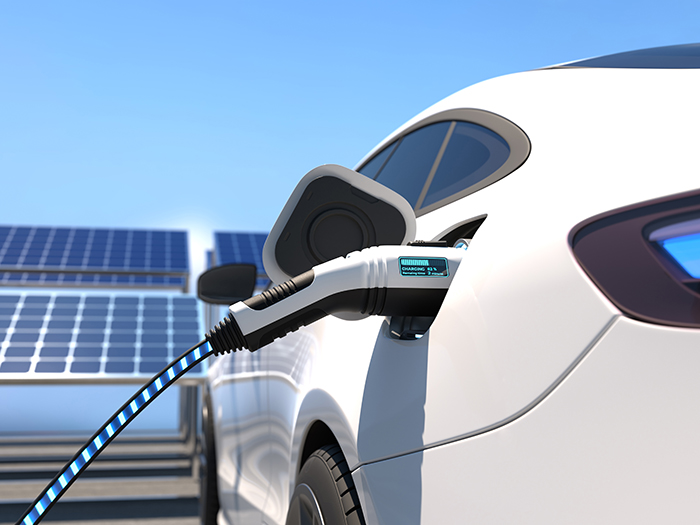
As sustainable solutions become mainstream in buildings across North America, property owners and risk managers must understand the unique hazards posed by solar panels, electric vehicles, and mass timber construction.
Recent government opposition notwithstanding, this new frontier in U.S. renewable energy is seen as essential to meet power demands for data centers and the electrified economy.
Zurich report highlights the growing risk of intense parking garage fires due to the increasing use of plastics and lithium-ion batteries in modern vehicles.
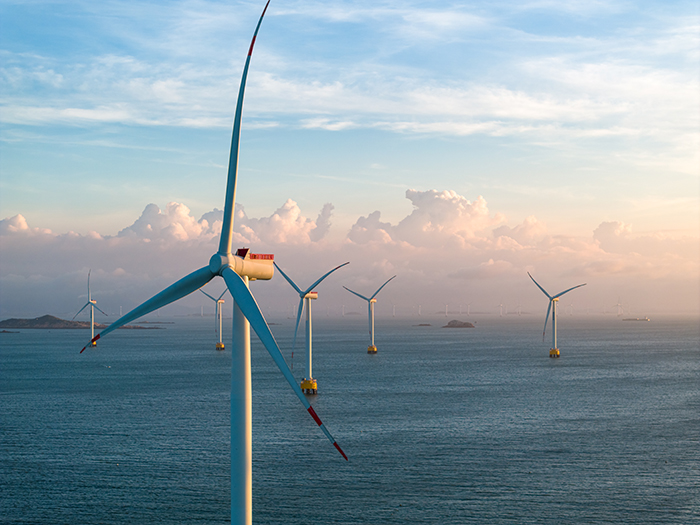
Renewable energy insurers remain optimistic despite challenges, as the industry adapts to support the transition to a net-zero future, according to a report by WTW.
“One of the biggest challenges we face in the energy transformation is increasing our expertise in the new technologies that come with it … Learning about the risks and specificities of these new technologies is crucial for both the industry and its insurers.”
“I think most insurance companies have learned it’s not quite as simple as putting up a line and nothing ever breaks. But it’s an incredible opportunity, and it’s going be a growing part of insurance companies’ books.”
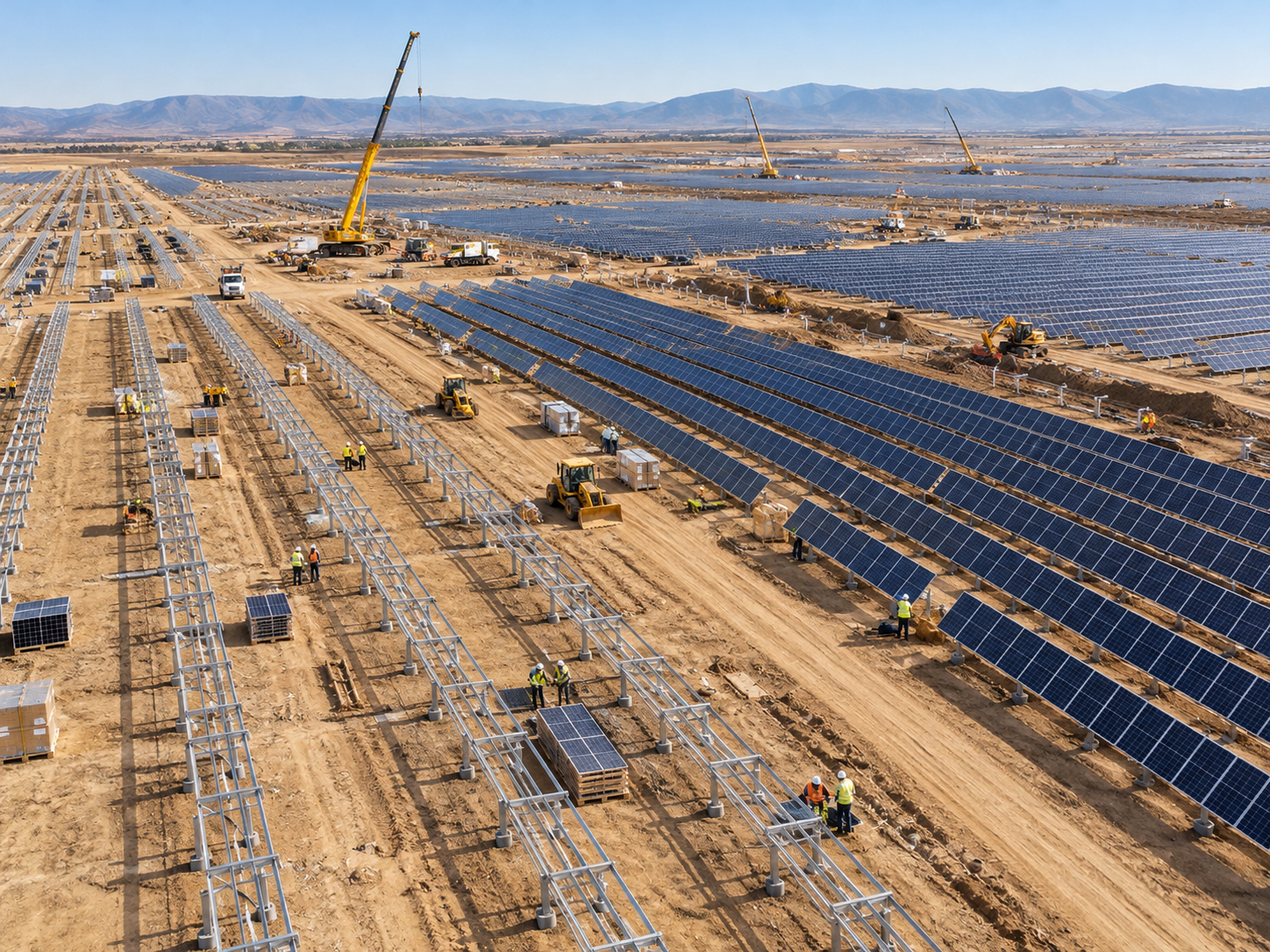
The challenging build-out of renewable energy infrastructure is at an inflection point as a surge of new ideas and investment promises to keep the sector’s momentum going.
“We work closely with our clients to assess their risks and implement loss prevention measures, such as improving building resilience and developing comprehensive business continuity plans. By taking a proactive approach to risk management, we aim to minimize the impact of natural catastrophes on our clients’ operations and bottom line.”