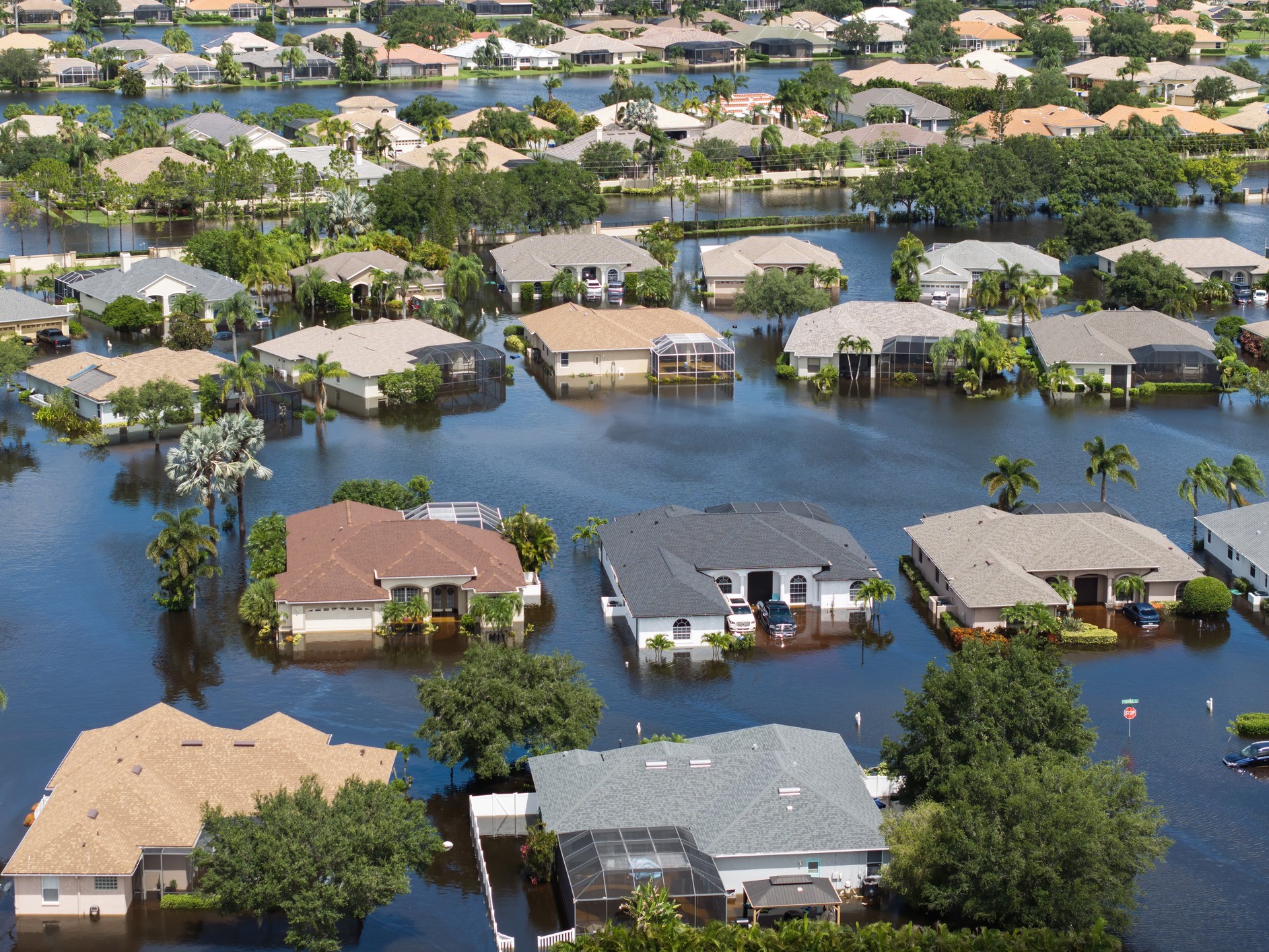
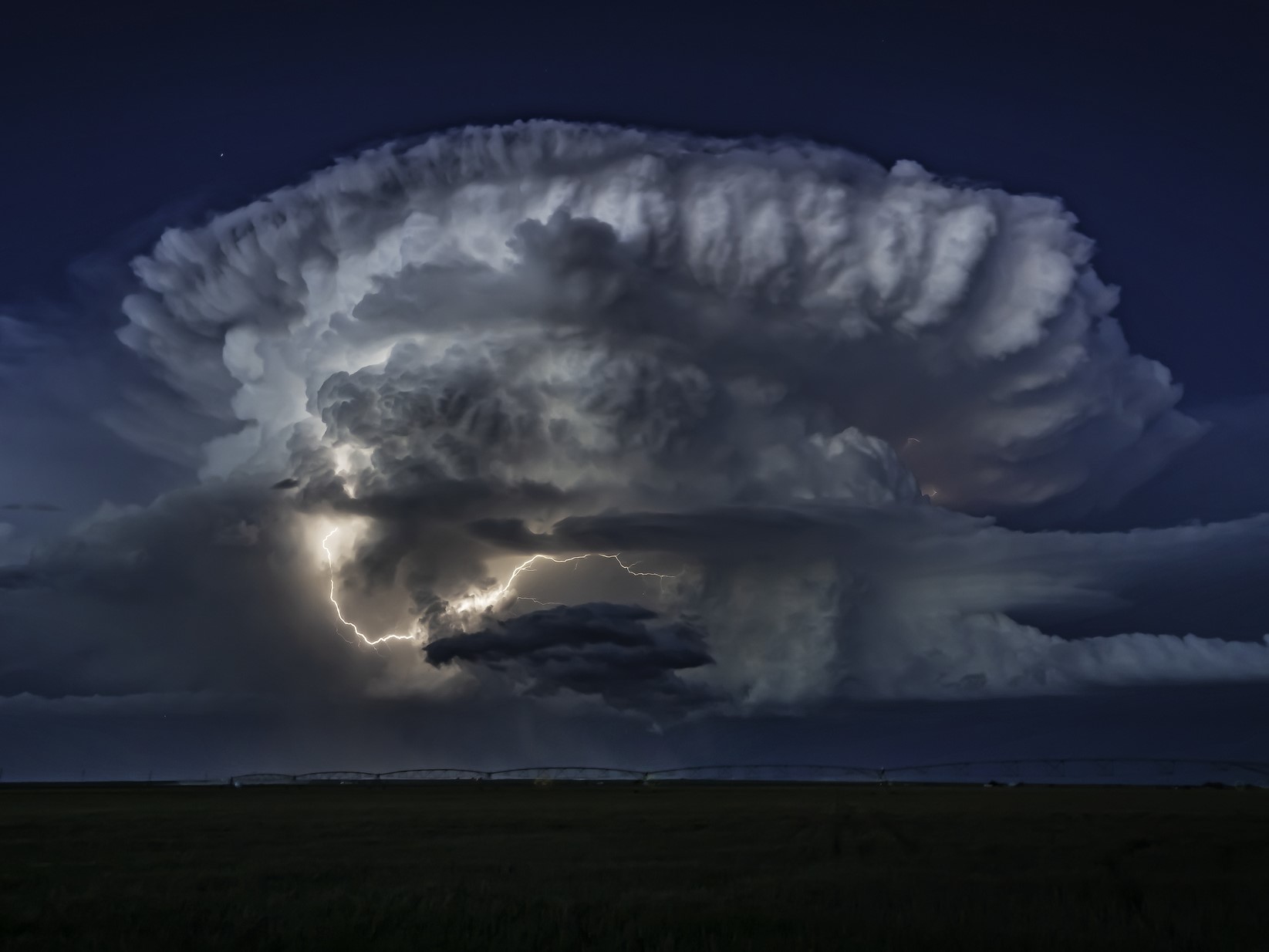
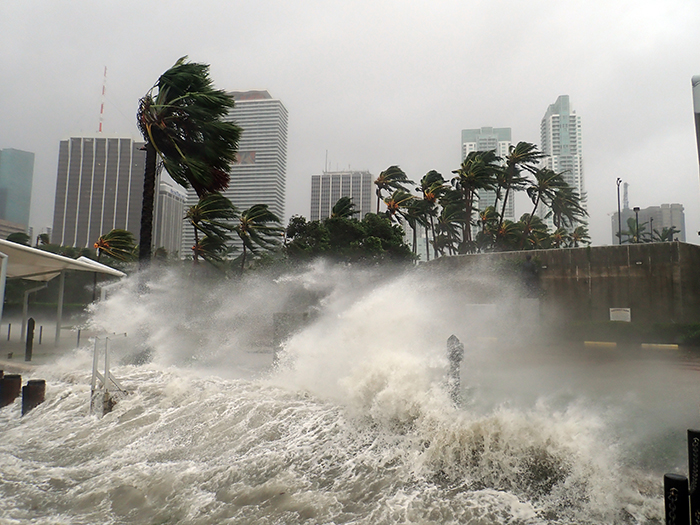
“Weather-related risks on the property side are a significant concern for risk managers and various industries. Leading experts, such as Colorado State University, forecast a very active hurricane season of at least 23 named storms and five major hurricanes, which is well above average.”
Increased capacity for property catastrophe reinsurance, including record cat bond issuance, signal a potential softening of rates, but an active hurricane season could counteract these trends, Howden Re reports.
Commercial real estate should see improved property insurance conditions in 2024, while the casualty market grapples with rising claims costs due to lawsuit abuse, Gallagher reports.
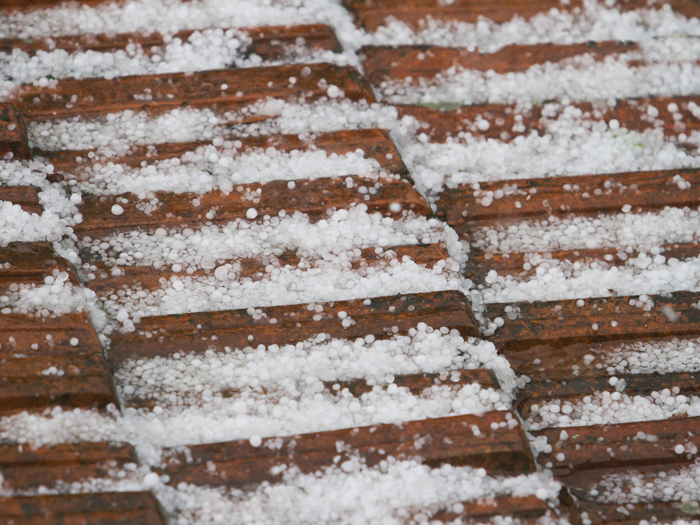
Where increasingly severe weather meets growing populations, property damage from wind, hail and flood may seem inevitable. Fortunately, there’s much that property risk engineers can do.
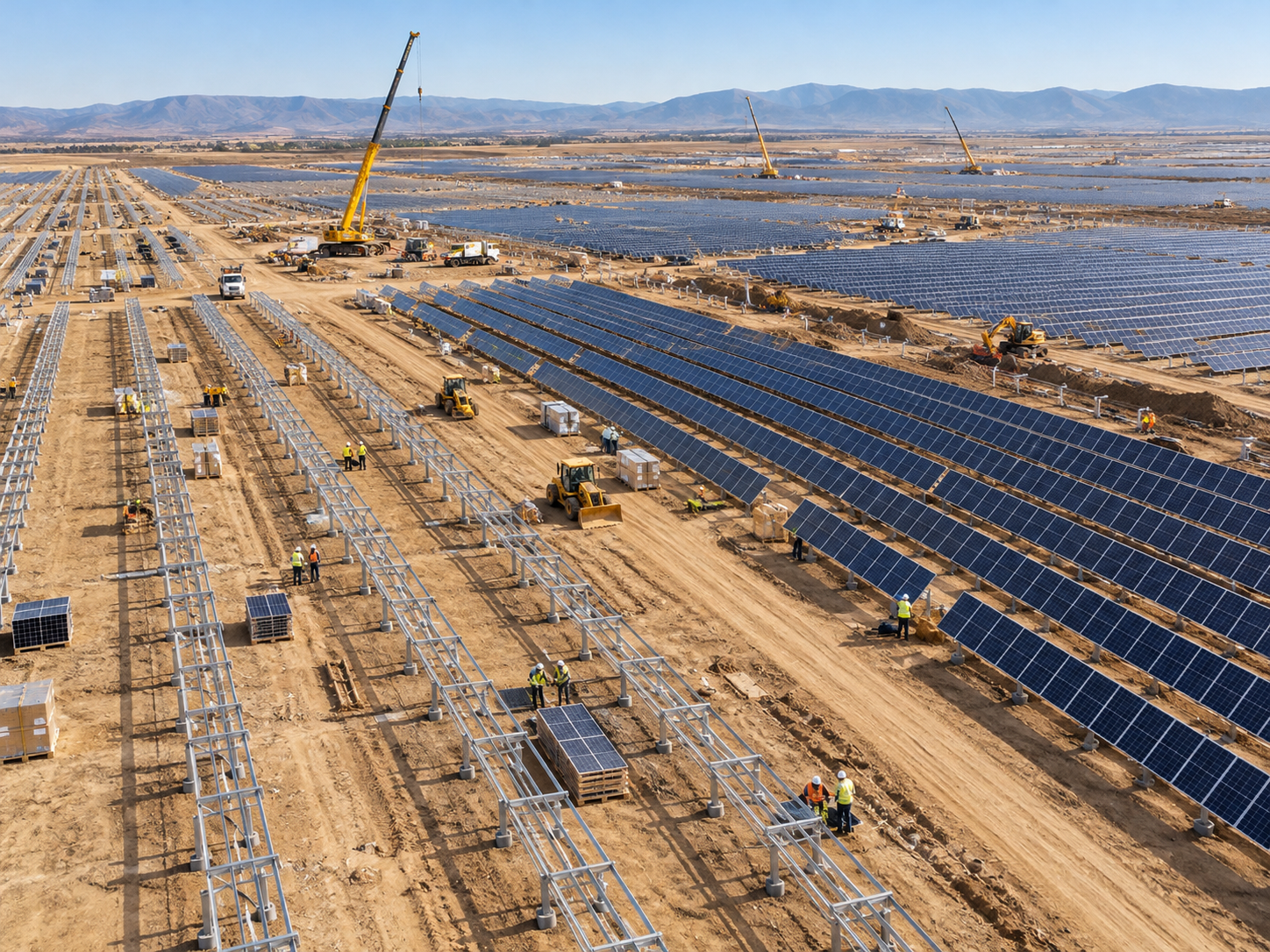
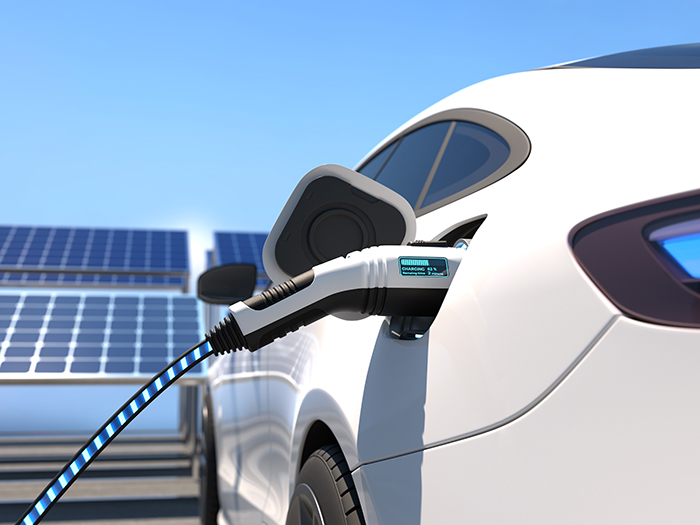
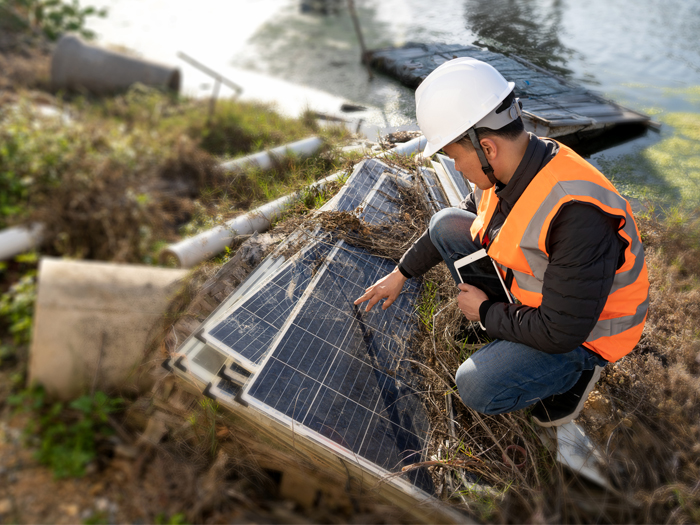
The solar panels rapidly being deployed across the country are vulnerable to damage from hail and costly to replace, limiting their risk transfer options. Parametric insurance injects some much-needed flexibility.
With global insured losses from natural disasters hitting $108 billion in 2023, Swiss Re emphasizes the urgent need for adaptation measures and climate risk mitigation.
The 2024 FM Global Resilience Index, with six new risk factors, guides businesses in strategic decision-making on property and operations in the most resilient business environment.
Economic uncertainty, rising claim costs and an increase in weather-driven losses aren’t exactly the market trends that we’d have selected to take with us into the coming year, had we been given the option. However, it looks like these are the conditions that we will be stuck with for a while. As 2023 draws to… View Article
Many carriers are overcautious when it comes to mass timber construction, leaving insureds with a case of sticker shock. But as the sustainable building material’s popularity grows, some insurers are leading the way with better guidelines and more tailored coverage.