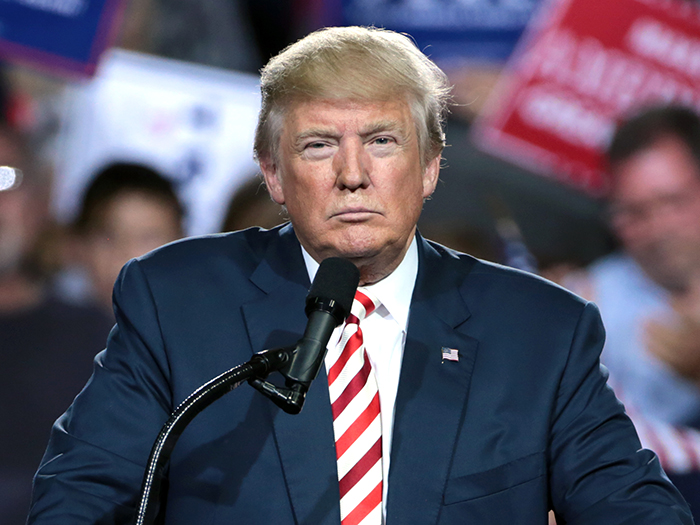
Michael Cohen’s testimony before Congress included an accusation that Trump inflated assets to insurers. But it’s unclear whether such misstatements constitute insurance fraud.
A little gray squirrel scampered onto the equipment of an electrical substation and caused an electric arc worth $200,000 in damages. But the insurance policy did not cover such an event.
A data hosting company transferred a health network’s electronic medical records, but soon a patient fell ill. The health network filed a third-party claim against the data hosting company.
A handful of EU countries have enacted laws protecting workers’ right to disconnect after hours, but vague language could create unintended consequences.
PG&E filed for bankruptcy protection, a step the company says was its “only viable option” now that it faces billions of dollars in wildfire liabilities.
During the government shutdown, the news focused on the 800,000 furloughed workers who went without pay for over a month — and justifiably so. But in the background, another group of workers suffered.
The regulatory landscape is changing. Insurance companies need to be on top of these key trends if they want to continue to build successful risk strategies.
After being hit by a car, one pedestrian filed a lawsuit against the driver for negligence and gross negligence. The driver’s insurance refused to pay punitive damages, so the pedestrian took them to trial.
When a worker who was exposed to asbestos for his entire career tried to put forth a workers’ comp claim for lead exposure, the court looked at his former ailments to decide.
After a hailstorm damage claim was denied, both insurer and its adjuster were called as defendants in court as co-conspirators. The court had to decide.