 Newsletters
 Risk Central
 Digital Edition
Conversations from WSIA: Intact Insurance’s Tony Beal
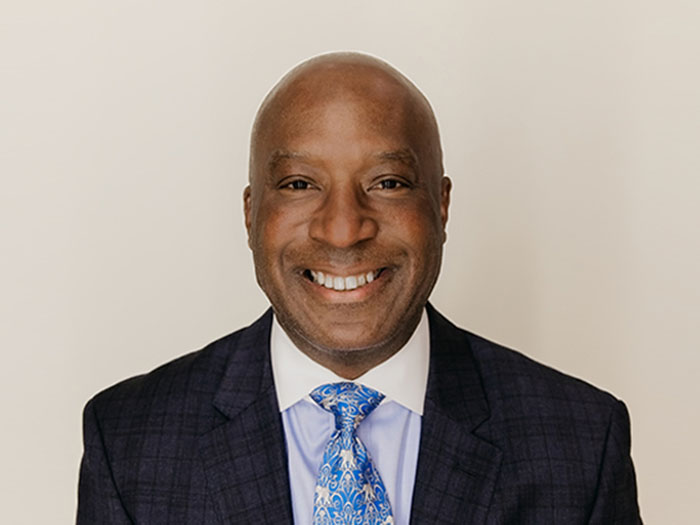
At the WSIA meetings in San Diego in mid-October, Dan Reynolds, editor in chief of Risk & Insurance®, caught up with Tony Beal, Chief Distribution Officer for Intact Insurance. What follows is a transcript of that discussion, edited for length and clarity.
Risk & Insurance: Thanks for meeting with us, Tony. How have broker expectations evolved, and what are they looking for from their carrier partners today?
Tony Beal: Brokers are looking for expertise, responsiveness, and the ability to help solve solutions for their clients. If you’re just providing a quote as a transaction, rather than genuinely trying to help them identify solutions, they can tell the difference.
When you demonstrate that you truly mean business and are invested in their success, they really appreciate it. Speed and responsiveness will always win the day.
You have to be focused on all of those things, particularly in this marketplace, because everyone is competing for the broker’s attention and their client’s.
R&I: Has the importance of speed in the underwriting process intensified?
TB: Yes, I believe it has. We all want everything yesterday.
When you consider an underwriter’s desk, they are constantly receiving submissions. They have to constantly prioritize; not necessarily the person, but the risk.
That raises the question of what truly fits their appetite, and whether they are consistently articulating that appetite in the marketplace. The key question is whether you’re getting the right submissions in. If you’re doing a good job of bringing in the right opportunities, your hit ratio goes up and your brokers are happy.
It’s a lot of work, but speed and response have become a huge conversation now, especially with the digital component, AI, and how everyone is using these tools for digestion.
R&I: How is Intact Insurance investing in digital capabilities to meet the evolving needs of producers and brokers?
TB: This is something we are absolutely focused on as an organization, and the investment reflects that. We’ve spent more than a decade investing in Intact Lab and building internal A.I. expertise. Today, we have close to 600 A.I. specialists across data science, engineering, analytics and actuarial disciplines.
The exciting part is figuring out how to bring that into the market and into the business.
We know our producers and brokers are also thinking about how they’re going to place business from a digital perspective, and we cannot miss that opportunity. We have to anticipate their needs.
Technology helps us deliver on our promises, but consistency is what will truly set us apart in the marketplace. A broker needs to know what they’re going to get from us.
When a broker sends in a submission, they should know they’ll get a quick response. That message might be, “I’m not going to be able to get to you until Thursday,” but at least they’re informed. It’s that pure responsiveness and consistent experience that matters, as opposed to saying, “I’m just really busy, it’s not on my priority list,” and then calling back two weeks later.
If I haven’t called you back, do you think that opportunity is still alive? Sometimes the best thing is to simply say it doesn’t work, it doesn’t fit, it’s not within our appetite.
R&I: How does the increased volume of submissions driven by technology impact the business, and does more submissions necessarily translate to writing more business?
TB: There’s a balance to be struck, because assuming that increased submissions means you’re writing more business is a flawed assumption. That’s just one component of the equation.
Your quote ratio and your bind ratio really tell the story in many instances. Every business has to decide what their quote and bind ratios should look like.
But if your submissions are up 30% and you’re only quoting 25% of them, how is that helping from a market perspective? It all comes back to being in the market, ensuring engagement is critically important, telling your story, and having a clear appetite.
R&I: How does technology support your team’s ability to communicate their strengths and needs effectively?
TB: Technology certainly helps, but at the end of the day, our people still have to do the work.
R&I: With the advancement of technology and increasing submission volume, is there a concern that the relationship aspect of the business could become blurred or pushed aside?
TB: That’s a really good question. It can, if we allow it to.
R&I: Can you talk about how underwriters approach the use of technology in their work?
TB: The really good underwriters will utilize it as a tool, not a substitute. That’s the critical distinction.
If you let technology take over, it will step into the middle of the relationship. But for those who use it as an augmentation, they’re going to win even more, because they still maintain that relationship while using technology to help. It’s copilot, not pilot.
R&I: What’s the challenge in balancing underwriting discipline with the desire to accommodate your strongest broker relationships?
TB: With the brokers you have really strong relationships with, there may be instances where you get creative in an effort to help them, and you know they’re going to help you in return.
The challenge comes back to transparency and trust. It’s about them knowing what you’re going to provide and how you’re going to provide it, which creates the opportunity for the right relationships at the right time. However, that always has to be anchored in underwriting discipline, with profitable growth as the goal, not growth itself.
The moment you decide you need to grow by a specific number and that becomes your sole goal, that’s a problem. Growth is the outcome of the right behavior. You have to maintain that mindset even with your best broker relationships.
R&I: Is it challenging is it to maintain clarity with partners about your appetite amid the noise of today’s marketplace?
TB: I think it is becoming difficult in this marketplace. There is a lot of pressure to write a significant amount of business, which makes holding to those fundamentals even harder.
There is significant pressure on both sides—pressure to write business and pressure to maintain underwriting discipline. The question becomes which one wins out. Ultimately, neither can be allowed to win outright.
R&I: In what ways can you help your broker partners navigate the interconnected risk landscape?
TB: If you’re doing it right for your broker partners, you truly understand their expertise, the kind of business they’re pursuing, and their client base. The underwriter who is genuinely embedded in that relationship is constantly reading and staying informed. They send articles off-cycle when they come across something relevant.
R&I: How important is maintaining ongoing connectivity with brokers after an initial quote?
TB: When you get that opportunity with a broker, it’s more than just connecting once—it’s about the constant connectivity. That ongoing relationship ensures you’re top of mind the next time there is a genuine need or opportunity from that broker.
Being engaged and curious is absolutely critical, and it comes across in every relationship you build. When we hire people, we’re not just asking whether they’re good at what they do—we want to know if they’re true experts in the industry.
It’s more than just sitting with a broker and talking about their particular vertical. Brokers want to talk about the industry as a whole. Even if you don’t write personal lines, you should still know what is going on in the broader market.
R&I: What types of conversations are you having here at WSIA?
TB: The most consistent conversation I’ve had here at WSIA has centered on people; specifically, hiring young talent in the wholesale space, which is a little different than on the traditional side.
For example, one wholesale broker mentioned that they have hired 174 younger producers in the last ten months.
In wholesale, the younger talent coming through is critical for a career to be successful. You can get so enticed by the established relationships, i.e., we know the folks in Atlanta, we know the folks in San Francisco and Chicago. But these young people are killing it.
I think connecting with this emerging talent and recognizing its value is hugely important. &