 Newsletters
 Risk Central
 Digital Edition
7 Questions for Intact Insurance Specialty Solutions’ Michael Seff
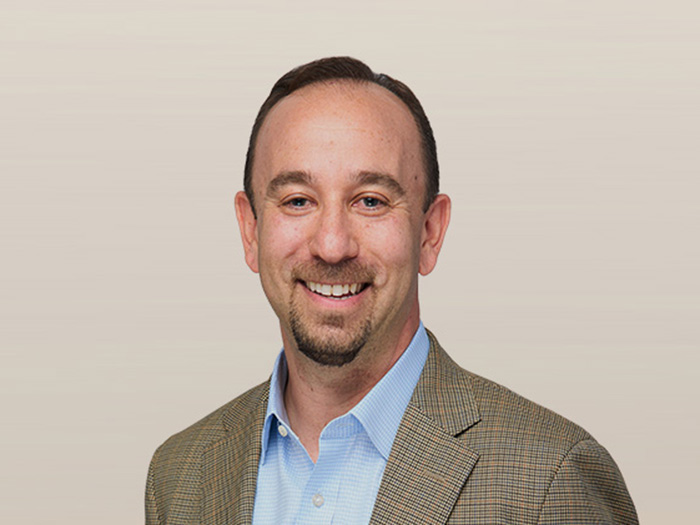
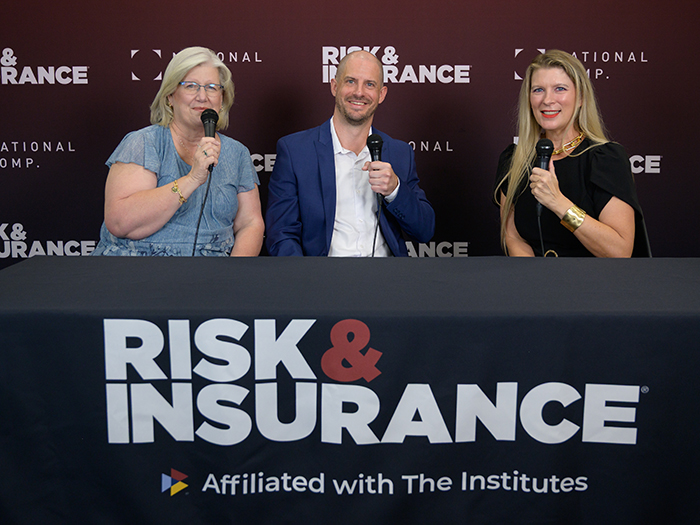
In early October, Dan Reynolds, editor in chief of Risk & Insurance, caught up with Michael Seff, SVP, specialty lines for Intact Insurance Specialty Solutions. What follows is a transcript of that discussion, edited for length and clarity.
Risk & Insurance: Thanks for meeting with us, Michael. How is the role of the managing general agent (MGA) changing or evolving in today’s market?
Michael Seff: There are a few things going on. Historically, MGAs were considered simply distribution partners. Today they’re doing a lot more than that.
Risks are obviously becoming a lot more complex these days. You have a lot more MGA reliance because they are sources of underwriting expertise, industry specialization, and deep market insight. Many MGAs operate in really focused niches, and they’ve developed a level of knowledge that can be hard to replicate in the broader market.
What we see is a growing recognition that this expertise is really valuable in specialty. Therefore, you need to go where the expertise is in some cases. Whether it’s emerging industries, evolving exposures, or highly technical risk classes, MGAs are bringing a different depth of understanding that allows carriers to be very flexible and serve these markets.
R&I: What characteristics or qualities should carriers look for when evaluating potential MGA partnerships?
MS: At Intact, the first thing we’re looking at is expertise. You want to understand that there’s a unique insight that the MGA is bringing to the market, that they have that depth of specialization.
Alignment is key. You want to find partners who share your same company values, your risk appetite, your operating philosophy, and your long-term portfolio management approach.
The market is shifting from quantity to quality, and I think that’s a different mindset. MGAs may pop up all the time, but you really need to look at the longevity, the risk selection practices, and prioritize organizations that have a long-term track record. That can be the team that’s working there, strong risk controls, or sound business practices overall. Basically, you’re looking for something that’s really sustainable, where long-term performance really matters.
R&I: While carriers need to be responsive to their distribution networks, what should they expect from an MGA that wants to help them enter and understand a new market?
MS: Expertise takes years to build. It’s a knowledge-driven market, and MGAs have deep vertical specialization that can really augment a carrier’s existing capability.
Some of the key things they’re bringing to the table include quick access to talent that’s not necessarily available elsewhere. They’re also bringing relationships and insights that can really accelerate growth in certain pockets, while still being backstopped by disciplined underwriting. That’s where clear oversight and accountability become especially important.
R&I: MGAs are underwriters themselves, specializing in particular areas. However, carriers have their own portfolios to manage, their own approach to underwriting discipline, controls, and risk selection. How does a carrier balance the speed and flexibility that MGAs offer against the need to maintain underwriting discipline?
MS: Innovation and discipline are not mutually exclusive. The foundation is really aligning the two. Both sides need to be clear about the underwriting strategy, the authority levels, performance expectations, and portfolio objectives.
But it’s going to take strong governance. There’s consistent reporting, data transparency, and ongoing dialogue with carriers. Both sides have to agree to monitor performance and make informed decisions together.
That structure enables the flexibility as markets move quickly. The long-term success is really going to depend on the underwriting discipline regardless of where you are in the cycle. You have to be consistent in that.
R&I: How does Intact Insurance Specialty Solutions approach MGA partnerships?
MS: We view the MGA relationship as a strategic partnership more than a transactional arrangement. The strongest partnerships combine the agility, entrepreneurial mindset, and specialized expertise of the MGA with the financial strength, underwriting resources, and long-term stability that a carrier provides. We share values and goals.
We invest significant time and resources in our partners’ businesses, their markets, and their long-term goals. Transparency and trust are essential to success, along with a long-term commitment.
The goal is to create an environment where innovation can thrive while maintaining strong underwriting fundamentals, which is key to our success.
R&I: What geographies, economic sectors, or types of businesses present the greatest opportunities for MGAs either now or in the future?
MS: The demand for specialized expertise is only going to continue to increase. We’re seeing rapid changes across industries, technologies, and risk environments, and as complexity grows, carriers, brokers, and insurers will continue seeking partners who can provide specialized solutions.
While it’s difficult to point to a single geography or sector, we see the strongest opportunities in areas where risks are evolving quickly and specialized expertise is needed to understand and underwrite them effectively.
Technology is going to amplify this expertise through everything from ingestion tools to data review and automation of tasks. This leaves people more time for meaningful work, which really improves efficiency and enhances risk selection.
I think MGAs are going to be innovation partners as different industries and risks evolve. That’s going to be an important part of the success.
R&I: What final thoughts would you like to share about the future of carrier-MGA relationships?
MS: It’s not necessarily about carriers versus MGAs in the future of those relationships. I think it’s about bringing that expertise together, and I think the best MGA relationships do that. There’s a lot of trust that goes into this. &