 Newsletters
 Risk Central
 Digital Edition
The A.I. Arms Race Against Insurance Fraud

Insurance fraud is on the rise.
In the U.S. alone, The Coalition Against Insurance Fraud estimates that annual insurance fraud activity is running at more than $306 billion, driven predominantly by technology.
That includes hard fraud, which is a deliberate fraudulent act, and soft fraud, which is more opportunistic.
But help is at hand in the form of artificial intelligence, which special investigation units and claims departments can use as a tool to detect, prevent and tackle fraud.
The two key causes of the marked increase in fraud in recent years, said Ron Schraml, director of SIU at CorVel, are economic pressures and technology. Added to that, he said insurers have become better at identifying fraud, bringing more of it to light.
“Economic uncertainty can increase the incentive for opportunistic fraud, while advances in A.I. and digital tools have made it easier to create convincing fraudulent documentation, manipulate images, and orchestrate increasingly sophisticated schemes,” said Schraml. “At the same time, technology has made fraud more scalable, allowing bad actors to operate with greater speed and efficiency than ever before.
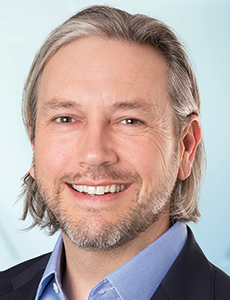
Shane Riedman, president of anti-fraud analytics for Verisk U.S.
“It’s also important to recognize that insurers are becoming significantly better at identifying risk. Through analytics, predictive modelling, data mining, and greater collaboration between claims professionals and SIU, we’re uncovering patterns and schemes that may have gone undetected in the past. In many respects, it’s not just that fraud is increasing; our ability to identify it is improving, too.”
Insurance fraud is increasing for two reasons, said Shane Riedman, president of anti-fraud analytics for Verisk U.S.: a larger amount of insurance policies are being issued, resulting in more claims opportunities, and fraud is easier to commit. Added to that, he said there is a greater willingness, particularly among younger generations, to commit fraud. Verisk research has found greater use of AI to alter claims, a rise in fraudulent agentic activity, and 36% of consumers saying they would consider digitally altering a claim image or document.
“For example, our systems have detected individuals using A.I. to buy insurance policies and then using it to create fake claims, often using voice agents to talk to the insurance company about the claim, and then cancelling the policy after the claim has been paid,” said Riedman. “Projected over several companies in several different jurisdictions, that can amount to a large sum.”
Hard Fraud
While traditional forms of hard fraud still exist, Schraml said that some of the most concerning trends often involve organized and coordinated fraud activity. Examples, he said, include cumulative trauma schemes, provider fraud, telemedicine abuse, mail-order pharmacy schemes, durable medical equipment fraud, coordinated treatment networks, and fabricated documentation and evidence, as well as increasing concerns surrounding synthetic activity, including altered documents, manipulated images and synthetic identities.
“What makes these schemes particularly challenging is that they are often coordinated efforts rather than isolated events,” said Schraml. “These actors understand the claims process and look for opportunities to exploit vulnerabilities within the claims process. As a result, identifying these schemes requires a combination of analytics, intelligence gathering, investigative expertise and cross-functional collaboration.”
Manipulation of documents and images is a common theme Riedman sees too. That may include, he said, changing the amount on a receipt or enhancing the damages shown in a picture.
“It may be somebody downloading an image of damage to a vehicle from the internet or using A.I. to distort their own image and then submitting it to an insurance company, claiming that was the damage caused,” said Riedman. “Or it may be an individual whose apartment has been burgled and they file a claim including items that weren’t actually stolen.”
As far as soft fraud is concerned, Schraml said that it remains one of the most persistent exposures because it often exists within otherwise legitimate claims and is frequently rationalized by those committing it. Common examples, he said, include exaggeration of injuries, malingering, undisclosed employment, inflated damages and misrepresentation of the facts surrounding a loss.
“Unlike hard fraud, soft fraud can be much more difficult to identify because the claim itself may be legitimate,” said Schraml.
“The key to addressing soft fraud is early identification, objective evidence gathering and consistent claim management practices.”
Tackling Insurance Fraud
The most effective approach to tackling insurance fraud, said Schraml, combines people, process and technology. He believes that fraud prevention starts with claims professionals, relying on adjusters’ expertise and judgment to flag concerns that may warrant SIU involvement, while also using intelligence, analytics and technology to proactively identify claims that may benefit from additional scrutiny.
“By combining technology, analytics and adjuster experience, we gain greater visibility into emerging patterns, anomalies and risk indicators that may not have been apparent historically,” said Schraml. “This allows us to intervene earlier, support better decision-making and apply investigative resources where they can have the greatest impact.
“Ultimately, the most effective fraud programs are proactive rather than reactive. They focus on identifying, assessing and mitigating risk throughout the life of a claim rather than waiting for a fraud referral to occur.”
To weed out altered documents and images, Riedman said that there were two key methods. The first, he said, is using a dragnet system for every document and image that is processed through a fraud check program, looking for signs or patterns of manipulation. The second, he said, is manufacturers installing algorithmic signatures into the image the device is taking so it can be determined if it is genuine by the insurer.
Dealing with fraud also requires industry-wide coordination, said Jodi Cooper, director of special investigations at Liberty Mutual. That requires, she said, reporting incidents into crime bureaus and law enforcement departments, and sharing data between insurers.
“By sharing that information, insurers can quickly identify the perpetrators, many of whom may be moving from one insurer to the next after the fraud has been committed,” said Cooper.
“It’s also important to stay in regular contact with your customers to keep them informed of the latest trends we are seeing, the risk to them and what they can do to prevent being affected by it.”
A.I. has a key role to play in addressing insurance fraud too, said Cooper. It can be used, she said, to check for rules-based red flags, run predictive analytics and prioritize claims, thus helping to identify the most prevalent fraudulent activity.
“A.I. has really become a force multiplier for investigators because it can give you a large volume of information, documents and claims, and highlight the anomalies that are difficult to identify manually,” said Cooper.
“It also reduces some of the repetitive administrative work so investigators can focus more time on reviewing claims, collecting and verifying evidence, conducting interviews, and co-ordinating with partners.”
Schraml views A.I. and emerging technologies as enablers of better outcomes. He said that they support faster, more efficient workflows, help identify patterns and anomalies in large volumes of data, and generate actionable intelligence that supports more informed decision-making, but he warned that, in the wrong hands, it can also be used to perpetrate fraud.
“That said, it’s a bit of a yin and yang,” said Schraml. “The same technologies that help insurers identify fraud can also be leveraged by bad actors through A.I.-generated documents, synthetic identities, altered images and increasingly sophisticated schemes.
“A.I. can help surface risk and prioritize opportunities for review, but it cannot replace critical thinking, context or judgment. Technology gives us the clues; experienced professionals determine where to look and what actions to take.
“The future of SIU isn’t about conducting more investigations. It’s about creating better intelligence that supports earlier intervention, more informed decisions and better claim outcomes.”
Riedman added: “A.I. is 100 percent necessary in any effective defense process or program in a P&C insurance company. Any insurer that hasn’t deployed A.I. and some form of anti-fraud mechanism is at an immediate competitive disadvantage.” &