
For most of its history, insurance has been defined by a simple transaction: a client transfers risk, and the insurer pays when a loss occurs. But as risks grow larger, more frequent, and more interconnected, that model is carrying weight it was never designed to bear.
At National Comp 2026, lifelong adventurer Derek Demun shared how he rebuilt his life after catastrophic injury, teaching others that endings are also beginnings.
Those elected into the Hall, founded in 1957, serve to inspire students around the world, fostering future insurance leaders, and collectively stand as a reminder of the crucial role insurance plays in meeting the security needs of global society, it says here.
A deadly Texas flood has prompted camps, regulators and insurers to rethink emergency planning, flood risk, staff training and the data needed to protect campers and staff.
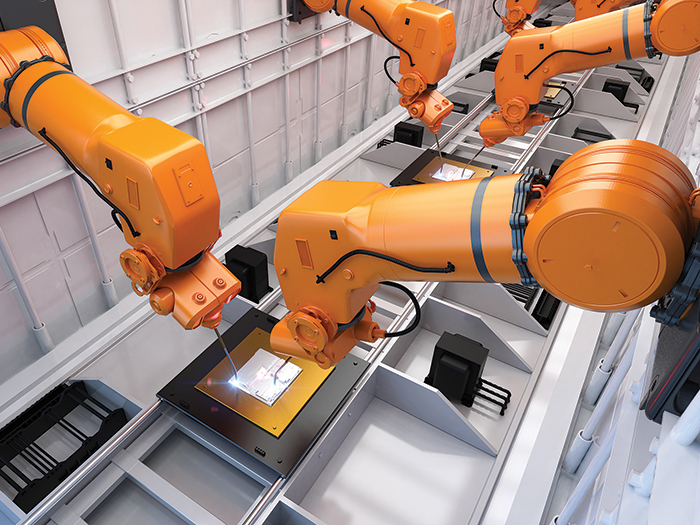
As manufacturers embrace robotics, A.I. and connected systems, insurers are confronting new workplace hazards, cyber threats and coverage gaps that demand a more integrated approach to risk management.
As fraudsters harness artificial intelligence to create increasingly sophisticated schemes, insurers are turning to A.I., analytics and human expertise to detect suspicious claims sooner.
As supervised psychedelic treatments gain traction, insurers are weighing unfamiliar exposures against established risk-management practices to determine which businesses can qualify for coverage.
The executives we feature in our annual Executives to Watch issue, which publishes each November, are largely nominated by their companies. We like that, because we like to have the cooperation of the insurance carriers in writing about their executives.