 Newsletters
 Risk Central
 Digital Edition
Insurance and Risk Management Lessons from the Camp Mystic Tragedy
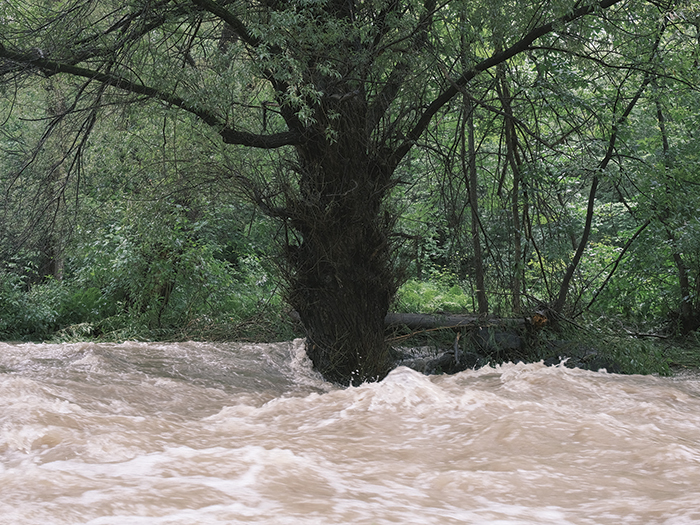
When tragedy struck Camp Mystic in Texas last year and floodwaters took 28 lives, a woeful lack of preparation bore much of the blame, prompting grassroots efforts, new regulations and action from camping industry leaders to help fill the long-standing risk management void at summer camps.
Camp Mystic left the responsibility for risk management largely with its director and staff. In the wake of the chaos caused by flash flooding of the Guadalupe River, investigators concluded that communications and evacuation plans were dangerously inadequate.
The flood claimed the lives of 25 young girls, two female counselors and the camp’s co-executive director, Dick Eastland. An unusual combination of excessive rainfall and topographical features caused the Guadalupe River to rise nearly 30 feet in an hour in the early morning hours of July 4, 2025, according to news reports.
The camp, which remains closed since the 2025 flood, did not provide adequate emergency training and evacuation instructions, among a host of other shortcomings, a legislative inquiry determined.
Jeff Ray, the camp’s attorney, disagreed with charges of negligence in lawsuits filed by families of those who died in the flood. In a widely reported written response to the litigation, Ray wrote that the flooding “was unexpected and no adequate warning systems existed in the area….We disagree with several accusations and misinformation in the legal filings.”
The lawsuits remain unresolved, stalled by Camp Mystic’s Chapter 11 bankruptcy filing.
Austin Roberts, vice president, business development – North America at Descartes Underwriting, pointed out that Camp Mystic’s risk management approach was not unusual. While many camps receive some risk management training under accreditation by the American Camp Association and from other sources, staffers likely will be far less equipped for the job than organizations with risk management specialists, he said.
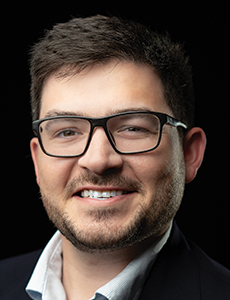
Austin Roberts, vice president, business development – North America at Descartes Underwriting
In response to the Camp Mystic tragedy, a number of efforts have sprung up to help better protect camps from the threat of rising water and other natural hazards.
“There is a lot of what I would call ‘grassroots motivation’ in this arena,” said Jeff Herd, senior policy associate with the Association of State Floodplain Managers. “It’s coming from parents, associations like ours, the American Camp Association and governments.”
Earlier this year, the American Camp Association partnered with The Safety Navigator, which was created in response to the Camp Mystic disaster by parents and safety professionals, including a mother whose daughter survived the tragedy. The organization offers camps risk assessment tools, emergency planning guidance and other services to help implement the more comprehensive safety requirements that states are putting in place.
In their collaboration, which began in Texas for the 2026 camping season, the two groups are providing on-the-ground safety guidance that aligns with the ACA’s accreditation standards and generally recognized best practices. As part of the partnership, The Safety Navigator is offering free access to its safety templates, training materials, e-learning resources and one-on-one support from safety professionals.
Separately, the ACA holds a two-day virtual Camp Safety Summit that aims to equip camp leaders with tools and strategies to strengthen preparedness and safety practices, and to clarify roles and responsibilities in emergency situations.
The Safety Navigator also partners with the Safe Summers Foundation, another organization launched after the Camp Mystic flood. The groups formed a grant program to help Texas camps strengthen safety systems as called for in new legislation.
Strengthening Camp Safety
Texas Gov. Greg Abbott signed the Youth Camp Alert, Mitigation, Preparedness, and Emergency Response Act; the Heaven’s 27 Camp Safety Act; and another bill in September 2025 that lay out new camp safety requirements, among them the adoption and annual updating of emergency plans, and staff training procedures. Licensing of youth camps with cabins is forbidden within floodplains designated by the Federal Emergency Management Agency. The legislation also authorizes grant money for early-warning sirens in flood-prone areas.
The Association of State Floodplain Managers provides a document that local jurisdictions can use to help draft ordinances that require emergency action plans for camps, campground and RV parks. The group said the language closes gaps in existing floodplain ordinances which often don’t address the unique safety considerations for the facilities.
In planning for potential flooding or wildfires, camps should work with local emergency management services, police and fire officials, said Jamie Jannusch, an underwriter in Church Mutual Insurance Co.’s camp unit and a former camp director. Responders should visit the camps, she added, “so they are aware of where to respond in a timely fashion.”
And, camp management should be in touch with other camp professionals and attending safety and preparedness training throughout the year, Jannusch said.
Attention to emergency planning has been shown to save lives, as evidenced when Camp Taum Sauk along Missouri’s Black River flooded just more than a year after the Camp Mystic disaster. Around 2 a.m., staff moved children to buildings on higher ground. Missouri National Guard helicopters later evacuated campers and staff members. Although the camp suffered extensive property damage, no campers or staff died.
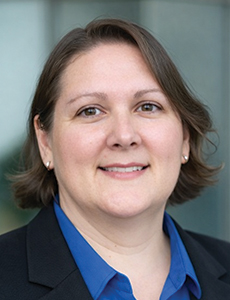
Jamie Jannusch, an underwriter in Church Mutual Insurance Co.’s camp unit and a former camp director
Insurers have a role in helping fill the risk management gap, said Brett Ziegel, manager of underwriting – camps, at Church Mutual. “We have a unique opportunity to help camps understand where we see the risks, what we’re seeing in claims, whether from near misses or the tragedies we’ve seen… and providing them with insight on how to make their operations safer.”
Cory Isaacson, CEO of reThought Flood Insurance Corp., said his company compiles extremely granular data that is used to manage flood risk — a resource that could help camps create emergency preparedness plans.
Relying solely on FEMA flood zone designations is a mistake, Isaacson said, because many are inaccurate. “They are insufficient to protect anybody,” he said. FEMA initiates only a handful of flood map updates each year on its own, though communities participating in the National Flood Insurance Program may request that FEMA update theirs.
Armed with comprehensive information on the flood potential compiled through rigorous data collection, Camp Mystic’s management might have reacted differently as the water rose, moving the children to a building on higher ground just a short walk away, Isaacson noted. “They could have had an evacuation plan based on actual data,” he said.
Isaacson said reThought will consider making its data available at an affordable price or free “to organizations like this that are protecting children. Had they had this, they would have known exactly what to do when it started to rain,” he said of Camp Mystic personnel.
Insuring Camps Is Challenging
Finding property and liability coverage for camps is a mixed bag, sources said.
“We’ve seen the property market soften a little bit in recent years,” Ziegel said. “But the liability market tends to be more complex…. There are a lot of different liability hazards,” in places where children participate in a lot of recreational activities.
Parametric insurance — which can be written to pay out when certain weather conditions occur, regardless of physical damage — is another data-driven product that might be well-suited to camps, said Roberts of Descartes. For example, a claim would be paid if a sensor detected water rising above pre-determined levels. Coverage is written for property and business interruption exposures.
Descartes’ models take historical weather data and trends into consideration when analyzing risks. “That’s the beauty of parametric,” Roberts said. “It’s very straightforward, it’s data driven. It is also very broad in what it covers.”
Adding to the complexity of the risk is the potential for sexual misconduct that insurers have to consider when underwriting camps, Jannusch pointed out.
“The Camp Mystic tragedy was ultimately a liability exposure,” Roberts said. “Yes, there was property damage. But when the settlement comes, it’s going to fall on the on the casualty insurers. It comes down to training, training, training,” he said of managing the casualty risk. &