 Newsletters
 Risk Central
 Digital Edition
Retirements, A.I. Gaps and Climate Shocks Reshaping Property Claims
Nearly 25% of claims adjusters are expected to retire by the end of 2027, threatening the loss of decades of institutional knowledge across the property insurance sector, according to Sedgwick’s 2026 Loss Adjusting Insights Report.
The surge of departures is converging with rising claim complexity, data center exposures, volatile catastrophe patterns and growing valuation disputes, the report found.
Workforce And Technology Pressures Mount
Nearly three-quarters, or 73%, of insurance professionals surveyed believe the greatest impact of the retirement wave will be the loss of institutional knowledge, while 62% expect a resulting shortage of mentorship opportunities, Sedgwick found. Meanwhile, 20% of insurance companies say hiring talent has become more difficult compared with last year, the report said.
Artificial intelligence is emerging as a central tool in the claims operation, with the technology projected to create more than $100 billion in value for insurers, according to Bain & Company data cited in the report. Yet adoption has outpaced results: up to 82% of carriers use A.I. tools in their operations, but only 7% have achieved scalable success, Sedgwick found.
On the regulatory side, 70% of organizations have established dedicated A.I. risk committees, though only 14% report being operationally prepared to implement A.I. safely and effectively, according to the report. Nearly half, or 48%, of organizations have governance guardrails in process, Sedgwick found.
More than half of U.S. states have adopted A.I. guidance influenced by the NAIC Model AI Bulletin, and Texas’s TDI Bulletin B-0003-26 clarified that A.I.-enabled insurance activities are subject to existing laws, raising expectations around validation, documentation, accountability and audit readiness, the report said.
Complex Assets Strain Claims Handling
Data centers, representing an estimated $2 trillion-plus global insurable asset base, are creating new loss scenarios as interconnected systems mean minor damage, such as a water leak or copper-wire theft, can disrupt entire facilities, according to the report. More than half, or 57%, of significant data center outages cost more than $100,000, and 20% exceed $1 million, Sedgwick found, citing Uptime Institute data.
Global data center investments are projected to surpass $3 trillion by 2030, while 56% of planned U.S. data center projects sit in areas highly exposed to hurricanes, severe storms, earthquakes or winter weather, the report said. At least 18 states have introduced bills creating specialized energy rate classes for hyperscale data centers, according to the report.
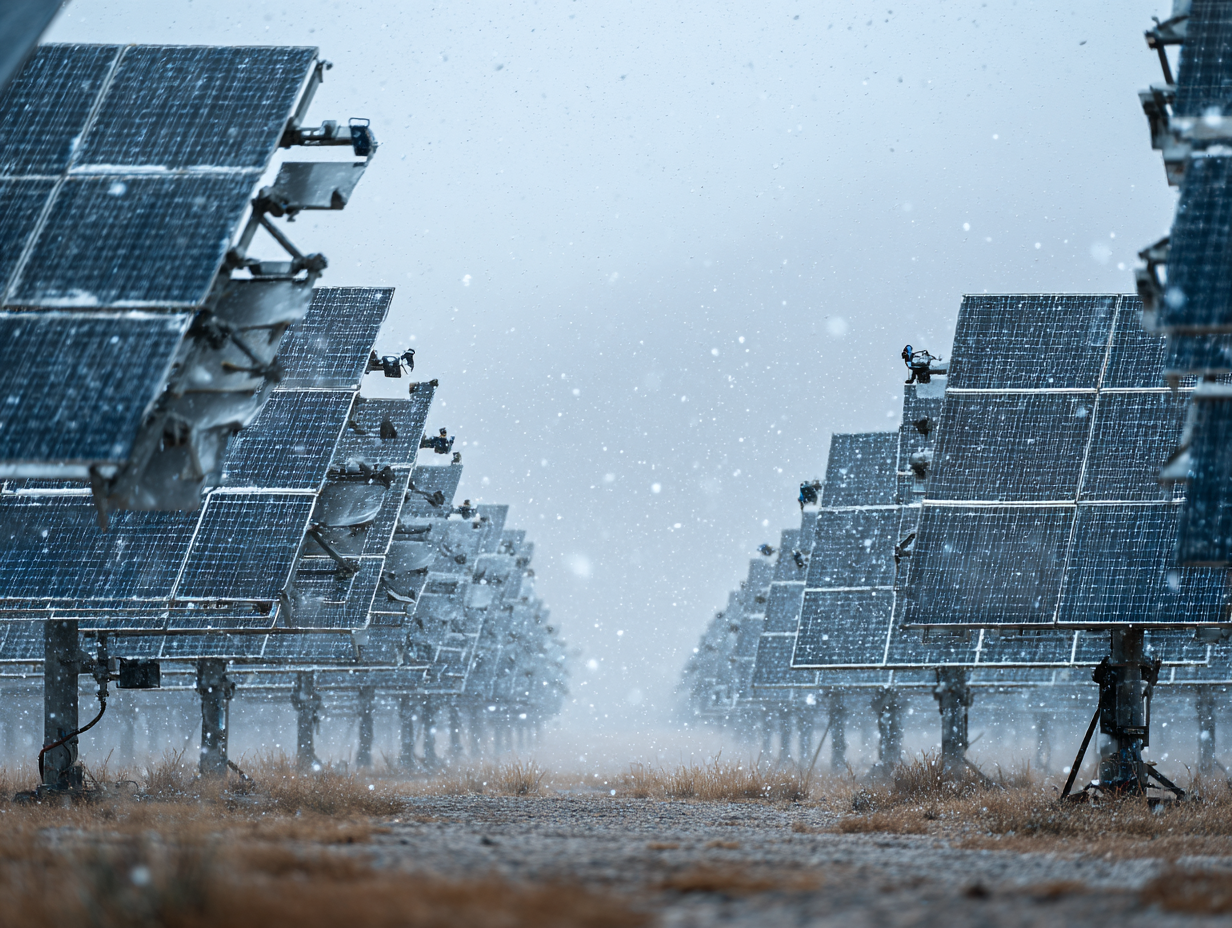
Energy infrastructure is undergoing similar strain, with global electricity demand expected to double by 2050 and more than 2,500 gigawatts of renewable energy, battery storage and large-load projects awaiting grid connection worldwide, according to the report. More than half of renewable energy providers, 54%, cite weather damage as their top operational concern, Sedgwick found, and 79% of maintenance and operations leaders reported that unplanned downtime remained steady or increased during the past year.
In construction, large-scale commercial projects can carry total insurable construction values of $10 billion to $30 billion, and the industry needs 349,000 new construction workers in 2026 to meet demand across large-scale U.S. commercial projects, the report said, noting that lead times for specialized equipment have more than doubled over the past five years.
Catastrophes And Disputes Compress Timelines
The U.S. experienced 23 weather disasters in 2025 that each surpassed $1 billion in damages, and the average downtime between billion-dollar disasters fell to just 10 days that year, according to the report.
Non-hurricane perils, including severe convective storms, wildfires and floods, accounted for the three costliest U.S. weather events of 2025, generating a combined $78 billion in damages, Sedgwick found. Severe convective storms alone generated more than $50 billion in insured losses for the third consecutive year, the report said, and 54% of carriers used digital models to guide their catastrophe response strategies in 2025.
Early claims response is also becoming more consequential: claims reported after 90 days are 10 times more likely to result in litigation than those reported within the first 90 days, and overall claim severity hit its highest recorded level in 2025, up 26% year over year, according to the report.
Loss-value disputes are compounding that pressure, with appraisal use in Texas residential property claims nearly doubling over the three years leading up to 2023, Sedgwick found. More than 3,500 homeowners’ policy disputes were brought before federal courts in 2025, more than any other year since 2009, according to the report, which pointed to a recent Iowa hail claim in which an appraisal award came in more than $80,000 above the policyholder’s original proof of loss.
Obtain the full report here. &