Newsletters
 Risk Central
 Digital Edition
Predict & Prevent® Podcast Episode 30: How Preventive Maintenance Makes Hidden Risks Visible
Somewhere in the U.S. right now, a school roof is leaking. A boiler is running outside its intended parameters. A maintenance worker is fielding three requests in a hallway and losing track of all of them. None of this will show up on an insurance report … until it does, in the form of a claim. Or several claims.
That gap between what’s happening inside a building and risks that insurers can actually see is a problem Jon DeWald, CEO and co-founder of HelixIntel, has spent years trying to solve, he tells Pete Miller, CEO of The Institutes and host of the Predict & Prevent® podcast.
A lifelong entrepreneur on his fifth startup, DeWald brings a background that spans Marine Corps service, clean tech, prop tech, and equipment distribution. That experience eventually led him to a striking observation: roughly 60 to 70 percent of properties globally are still managing maintenance with pen and paper.
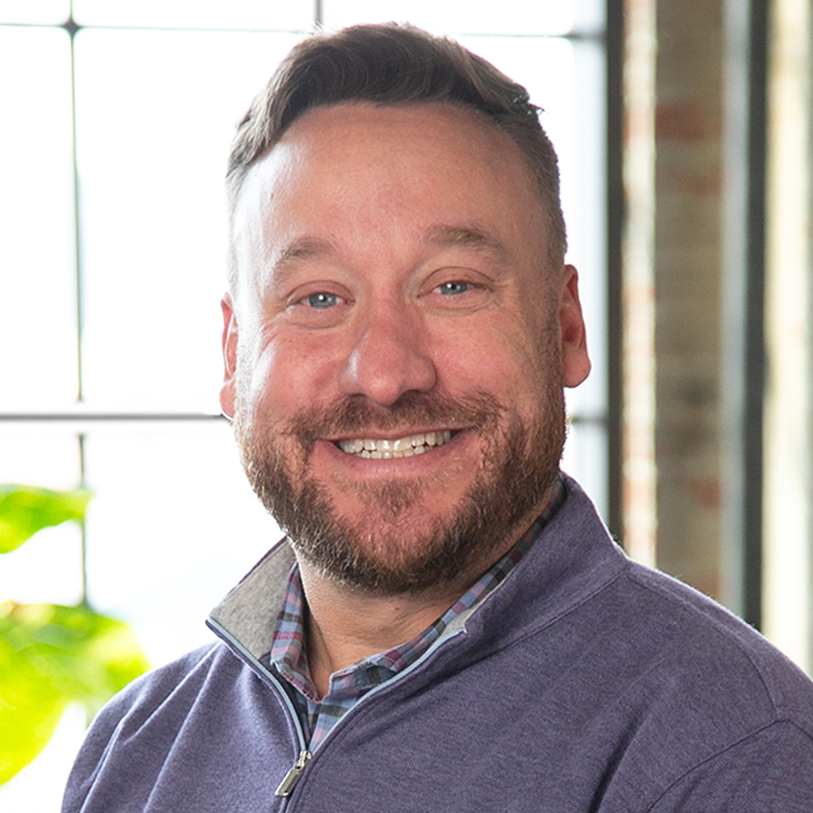
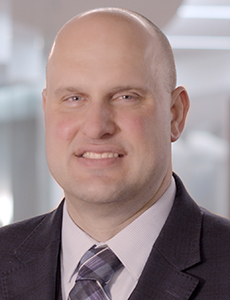
Jon DeWald, CEO of HelixIntel
“When you see spreadsheets and sticky notes managing trillions of dollars of assets,” he says, “it’s definitely telling you we have a massive problem.”
That problem has a name — deferred maintenance — and a price tag. DeWald estimates the U.S. alone carries approximately $9 trillion in deferred maintenance, with global figures running as high as $100 trillion. The consequences rarely announce themselves all at once. More often, he said, it’s a small roof penetration after a hail storm that goes uninspected, gets rained on repeatedly, and eventually becomes a full roof replacement.
“Small, preventable issues turning into major claims,” as DeWald puts it. “That’s exactly why we structured this so that it matters.”
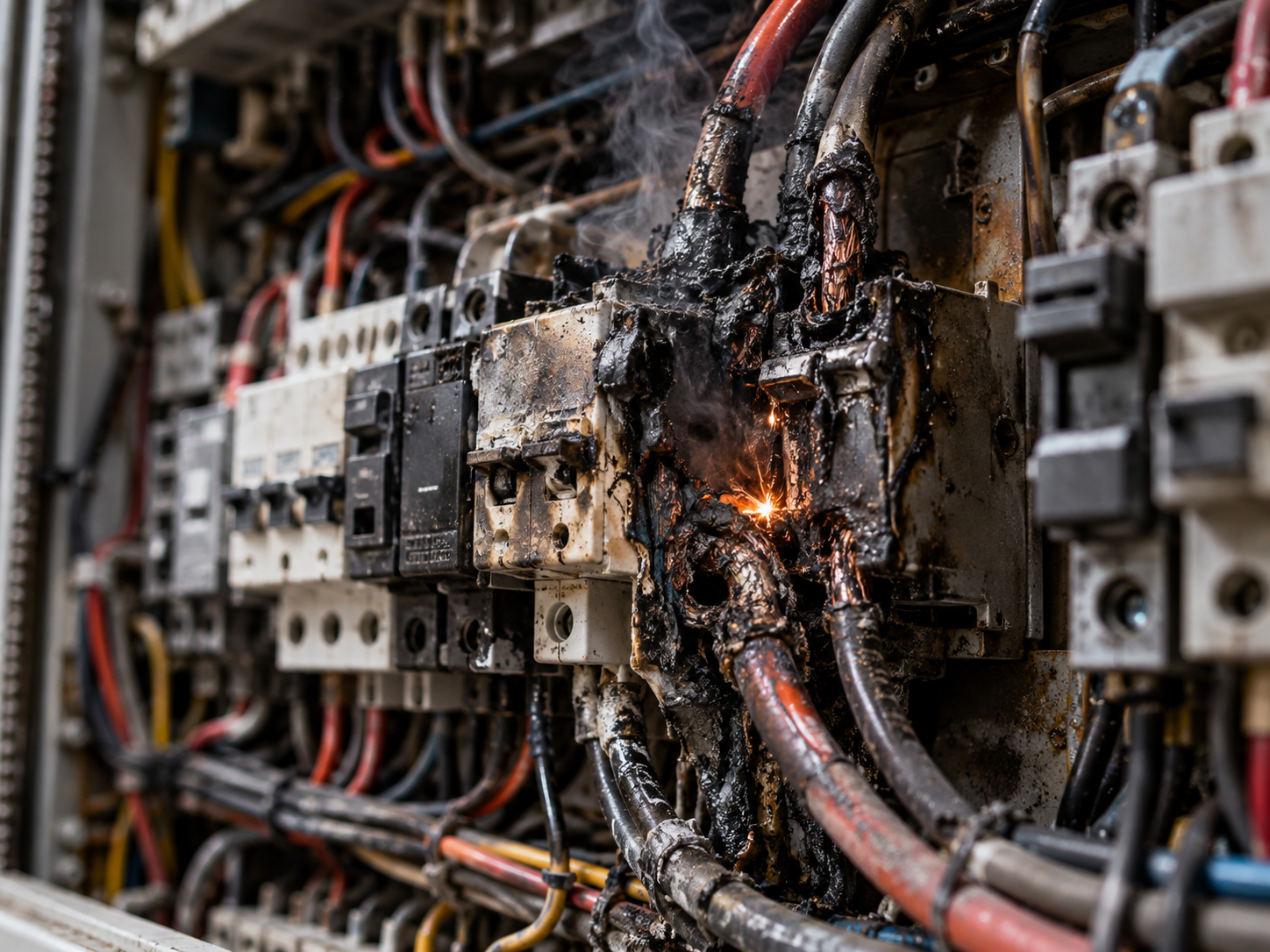
The risk implications go well beyond a single line of coverage. A failing boiler, for example, does not generate just one claim. It can simultaneously trigger property damage, equipment breakdown, general liability, and workers’ compensation exposures, all from one overlooked maintenance issue, DeWald said.
HelixIntel’s platform has two sides: HelixPrevent, an intelligence layer that gives insurers real-time visibility into operational data across their portfolios, and HelixCMMS, an operating system for maintenance teams managing work orders, inspections, asset tracking, and more.
Rather than selling its software one building at a time, DeWald made the deliberate choice to distribute through the insurance ecosystem because he said insurers are the only stakeholders financially aligned with policyholders to prevent losses at scale, and they have the distribution to drive adoption across thousands of properties simultaneously.
Partnerships with Hartford Steam Boiler, Munich Re, and brokers including Gallagher and Marsh McLennan have helped accelerate that reach and validated the model.
DeWald also raises a longer-term concern about maintenance risks that deserves serious attention from anyone in the industry: a looming “silver tsunami” of retiring maintenance professionals. Within the next decade, as many as 60 to 70 percent of experienced maintenance workers may exit the workforce, with far too few trained replacements behind them.
The institutional knowledge walking out the door will not be easily replaced. “We need their help right now,” DeWald says. “They’re the front lines.”
Listen to the full episode, “How Preventive Maintenance Makes Hidden Risks Visible,” at predictandprevent.org or on most major podcasting platforms. &