Newsletters
 Risk Central
 Digital Edition
Global Commercial Rates Trend Downward, US Rates Flat in Q4 2025

Global commercial insurance rates declined 4% in the fourth quarter of 2025, marking the sixth consecutive quarterly decrease and signaling a significant shift in market dynamics after seven years of steady rate increases, according to the Global Insurance Market Index released by Marsh Risk.
The rate decline reflects a fundamental rebalancing in the insurance market. Increased competition among insurers, a favorable loss environment, and attractive reinsurance pricing have created conditions supportive of lower premiums across most of the world, according to the report. Market capacity has expanded substantially, giving buyers meaningful negotiating leverage.
The geographic disparity in rate declines reveals different market pressures across regions. The Pacific region experienced the steepest decreases at 12%, followed by India, Middle East, and Africa at 10%. Latin America and the Caribbean, the UK, and Canada each saw 7% reductions, while Europe and Asia recorded 5% and 6% declines, respectively.
The exception was the U.S., where commercial insurance rates remained essentially flat in Q4 despite a 1% decline in the previous quarter.
Diverging Pressures in the U.S. Market
The relative stability of U.S. rates masks significant divergence within different insurance lines, Marsh Risk noted.
U.S. property insurance rates fell 8%, a modest improvement from the 9% decline recorded in Q3. The easing of property rates reflected fewer catastrophe-driven placements. Some insurers sought to manage the competitive environment by offering more favorable policy terms rather than aggressive rate cuts, the report said.
In stark contrast, casualty insurance rates climbed 9% in Q4, up from 8% in the prior quarter. Excluding workers’ compensation, the casualty increase during the quarter reached 12%.
The U.S. casualty market remains under pressure from large jury verdicts, rising repair costs for vehicle damage, and higher attachment points demanded by insurers, Marsh Risk said.
Workers’ compensation remains challenged by growing reserve and medical cost pressures, the report said. Auto liability coverage continues to face particular strain, with third-party litigation funding concerns and claims frequency increases driving renewal pricing 12% to 15% above loss cost trends.
U.S. general liability rates showed some moderation, though slight increases persisted in real estate, hospitality, and public entity sectors. Insurers increasingly attached exclusions for per- and polyfluoroalkyl substances, biometric data, cyber risks, sexual abuse, and human trafficking, the report said.
The U.S. umbrella and excess liability market demonstrated the most pronounced increases, with risk-adjusted rates rising 19% compared to 16% in Q3. Lead programs with favorable loss histories faced increases of 12% to 15%, while those with poor track records confronted hikes exceeding 30%, according to the report. The restriction of coverage for certain risks, particularly PFAS and human trafficking, further compressed the available options for buyers.
Financial and professional lines rates held steady in the U.S., with directors and officers liability increasing 1% as insurers resisted further decreases. Financial institutions rates declined 2%, while errors and omissions coverage remained flat.
Cyber insurance was a bright spot for buyers, declining 3%, driven by stable claims frequency and significantly improved ransomware outcomes—payments dropped to below 20% of claims compared to approximately 60% in 2019, reflecting strengthened cybersecurity defenses and response capabilities.
Opportunities and Strategic Implications
The divergence between declining rates globally and mixed signals in the U.S. creates distinct opportunities for sophisticated risk managers, according to Marsh Risk.
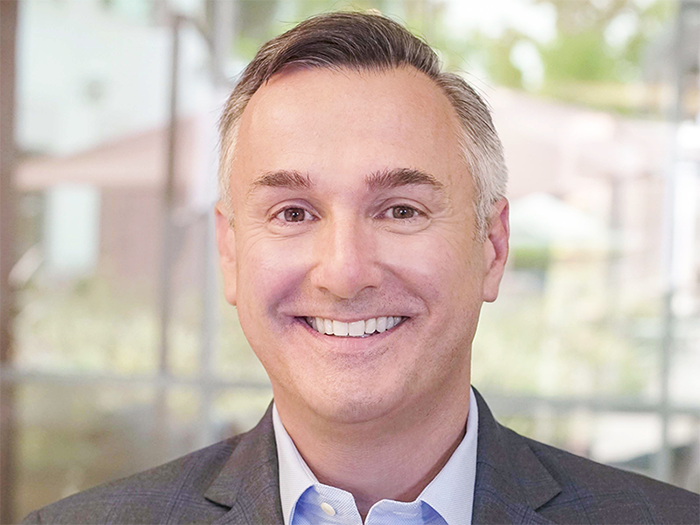
John Donnelly, President of Global Placement at Marsh Risk, noted that “clients have the opportunity to secure reduced premium rates and negotiate broader terms which may include improving the resilience of their programs to cater for the increasing complexity of risks.”
View the full report here. &