Newsletters
 Risk Central
 Digital Edition
From Claims to Prevention: How Smart Sensors Are Transforming Home Insurance

Brian Mumper is an Innovation Principal at American Modern, a Munich Re company. With a focus on emerging technologies, IoT, smart buildings, and claims management, he builds cross-functional programs that translate new tech into meaningful business impact. American Modern provides specialty product solutions for residential property – such as manufactured homes and specialty dwellings – and the recreational market, including boats, personal watercraft, collector vehicles and more.
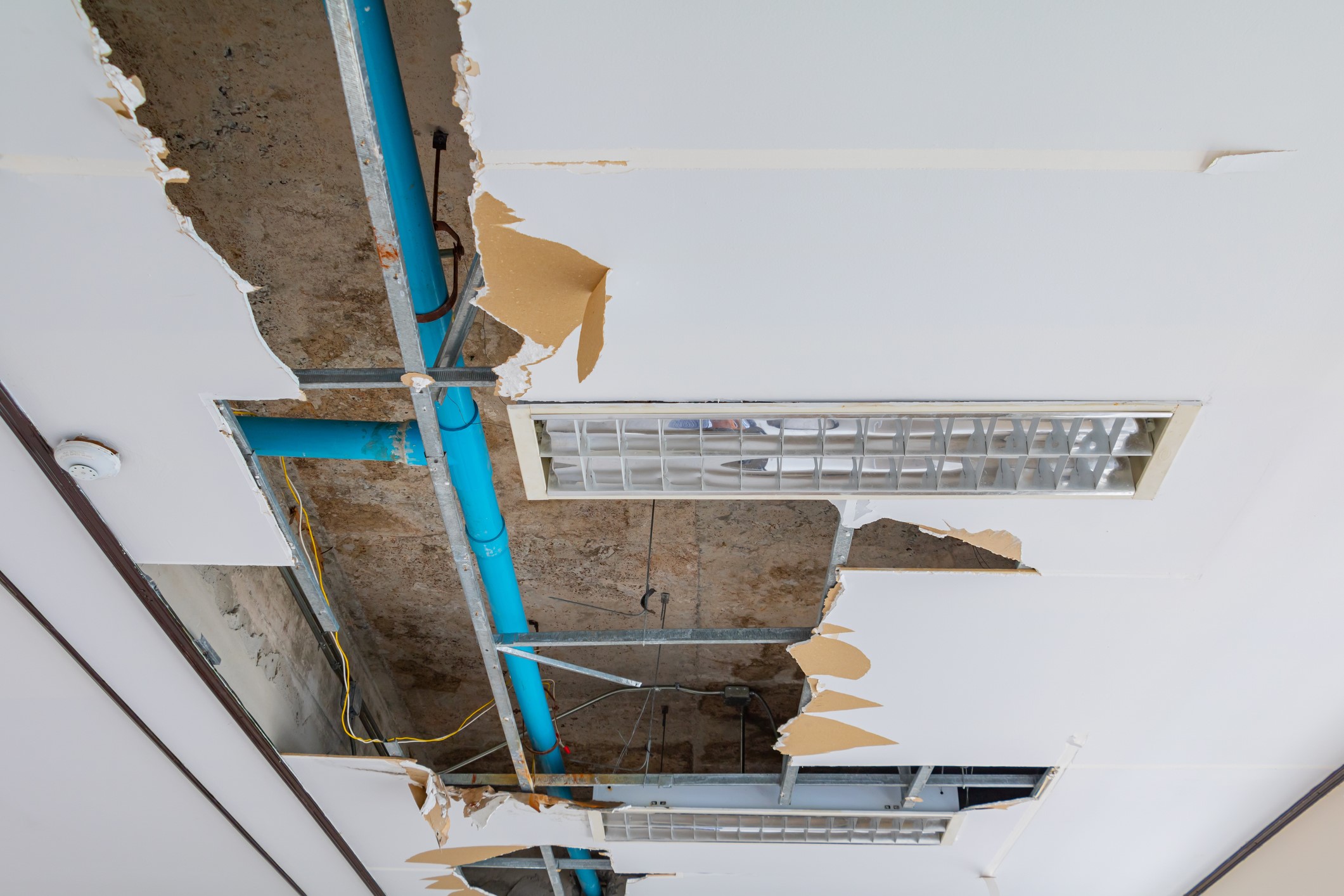
For decades, homeowners insurance has been defined by what happens after a loss. A pipe bursts, a washing machine hose fails, or a water heater leaks, and only then does protection come into play. However, thanks to increasingly affordable smart sensors and connected home technology, insurers can now help policyholders prevent many of the most costly and disruptive types of damage before they occur.
By educating clients about how these sensors and technological devices work, how they benefit homeowners, and how they fit into today’s more proactive approach to personal risk management, insurance agents can help homeowners make the shift from reactive response to proactive prevention.
The Rising Cost of Water Damage
Water damage remains one of the most frequent and expensive non-weather-related claims in personal lines. The average loss often exceeds $15,000, and incidents continue to rise as homes become more complex, featuring multiple bathrooms, second-floor laundry rooms, and smart appliances with built-in water lines.
Despite this growing risk, most homeowners don’t take preventive action until they’ve already experienced a loss. That creates an opening for agents to add value: not by selling another product, but by equipping clients with knowledge and tools that reduce their exposure.
How Insurers Are Using Sensors Today
Smart sensors, part of the broader Internet of Things (IoT) ecosystem, are transforming how insurers view and manage risk. These devices use built-in detectors and wireless connectivity to identify potential problems – such as leaks, excess humidity, or freezing conditions – and alert homeowners through smartphone notifications.
Some insurers are integrating sensor data into loss control and claims processes, using early alerts to prevent or minimize damage. Others are analyzing anonymized sensor data to understand risk trends, refine underwriting, and improve claims efficiency.
This evolution represents a fundamental shift from reactive protection to active prevention. The result is reduced losses, lower costs, and a better overall experience for both policyholders and carriers.
What Agents Should Know About Smart Water Technology
For agents, understanding the types and capabilities of common water protection devices is key to advising clients effectively. While systems vary, most fall into three broad categories:
Point-of-Leak Sensors: Compact and affordable, these devices are placed near appliances or fixtures prone to leaks, such as dishwashers, washing machines, sinks, and water heaters. They detect water at the source and send instant alerts to a homeowner’s phone, allowing for quick action before a drip becomes a flood.
Whole-House Water Monitors: Installed on the main water line, these devices track overall water usage and identify anomalies that might indicate leaks or inefficiencies. Many provide detailed dashboards that help homeowners monitor usage and detect issues like continuously running toilets or hidden pipe leaks.
Automatic Shutoff Systems: The most advanced option, these devices can automatically close the main water valve when they detect abnormal flow or pressure changes, preventing major damage even when no one is home.
These devices vary in cost, complexity, and protection level, but all offer significant benefits for homeowners seeking increased peace of mind and for insurers focused on loss prevention.
Why Awareness Remains Low and How Agents Can Help
Despite their effectiveness, adoption of smart water sensors remains relatively low. Surveys indicates that more than half of homeowners install detection or shutoff devices only after a water-related loss. Common barriers to adoption include lack of awareness, uncertainty about installation, and misconceptions about cost.
Independent agents can play a pivotal role in changing that narrative. By discussing sensor technology during policy reviews or renewal conversations, agents can help clients see the connection between preventive technology, financial protection, and convenience. Explaining that these devices are often inexpensive, easy to install, and may even qualify for premium discounts can help clients overcome their initial hesitation.
Turning Technology into Trust
When agents bring these tools into the conversation, they do more than help clients avoid claims: they build trust and strengthen relationships. Recommending preventive solutions positions an agent as a forward-thinking advisor who understands both traditional insurance and modern risk management. It also reinforces the value of the agent relationship in an era where technology can feel impersonal.
By helping clients stay ahead of potential losses, agents protect not just homes, but also the sense of security that every homeowner values.
A Smarter Future for Personal Lines
The future of personal lines insurance will increasingly be built on prevention, not just protection. Connected sensors are giving insurers new visibility into household risks and empowering homeowners to take control of their safety.
Independent agents who embrace this shift by learning how sensors work, understanding available incentives, and proactively discussing these tools with clients will not only reduce losses but also build stronger, longer-lasting relationships. &