Some employers are scrambling to implement COVID-19 testing or screening procedures as they reopen. These tips can help organizations avoid putting themselves at legal risk in the process.
There are several simple software solutions, wearable devices and apps that can help employers reduce the spread of COVID-19 and protect their employees.
A recent session at CLM’s Workers Compensation and Retail, Restaurant & Hospitality Conference explored how humans will remain necessary even as automation takes over more aspects of the claims process.
A panel at the 2020 CLM Workers’ Compensation and Retail Restaurant and Hospitality Conference dove into the trends they’re seeing in workers’ comp litigation.
Illinois joins the growing list of states with legislative amendments that extend workers’ compensation protections to certain classes of employees who contract COVID-19.
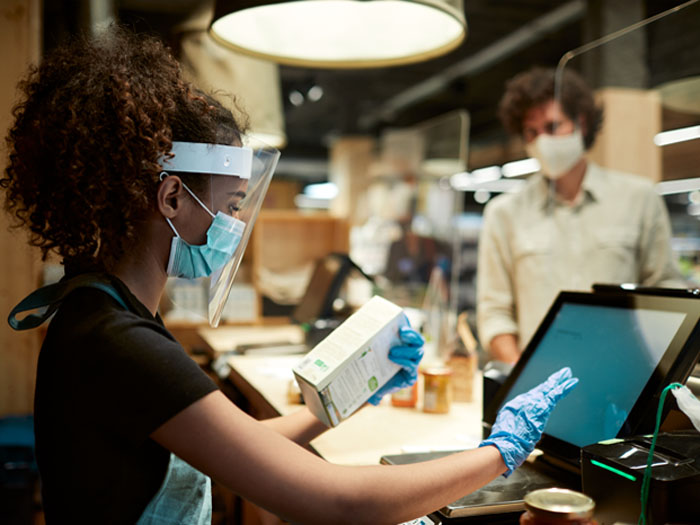
Extended use of masks may lead to breathing issues, particularly for workers wearing them for over eight hours. But there are methods to help reduce the risk.
While PBMs should be helping payers negotiate drug prices, these common overcharges could prevent workers’ comp insurers and self-insureds from getting the best deals.
From asset protection for spacecrafts to workers’ comp policies for crew members, here’s what insurance coverage companies will need to make the commercialization of space a reality.
As businesses reopen and workers’ comp compensability laws proliferate, employers have their hands full staying in compliance with a myriad of rules for keeping workers safe.`
California’s new presumption law will enable all workers to file for workers’ comp if they believe they’ve contracted COVID-19 at work. What will this mean for the WC industry?