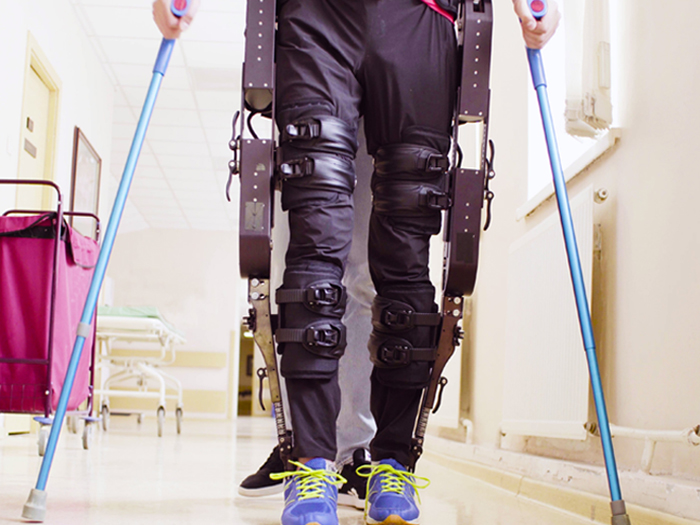
Expansion of the types and range of accommodations requested calls for better communication between employees who have a disability and their employers.
An employer assumed it was covered for an employee’s welder’s lung claim. But iron fumes triggered the policy’s pollution exclusion, leaving the company in a tight spot.
It’s time to start a real dialogue about the talent shortage in workers’ comp, and about investing in efforts to cultivate tomorrow’s workers’ comp leaders.
A performance report on the first five years of California’s independent bill review program reveals that claims adjusters’ billing decisions rarely align with how the state workers’ comp system sees things.
While there are investigative techniques used in an after-accident review, use of the term investigation almost presumes the employee is guilty of something. But AARs should be fact-finding, not fault-finding.
Workers’ comp needs a better solution for opioids than more prescription opportunities. And luckily, numerous alternative treatments are already at our fingertips.
From traditional risks like safety and oil volatility to emerging exposures like climate change litigation, here are the top risks facing the sector today.