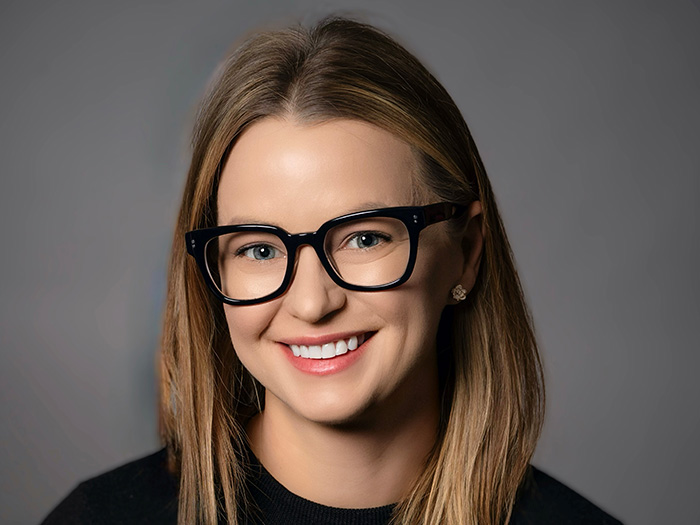
Ardent Health Services’ Alumine Bellone is no stranger to overcoming challenges. That’s why she’s taking experiences from her past to leverage change for risk management’s future.
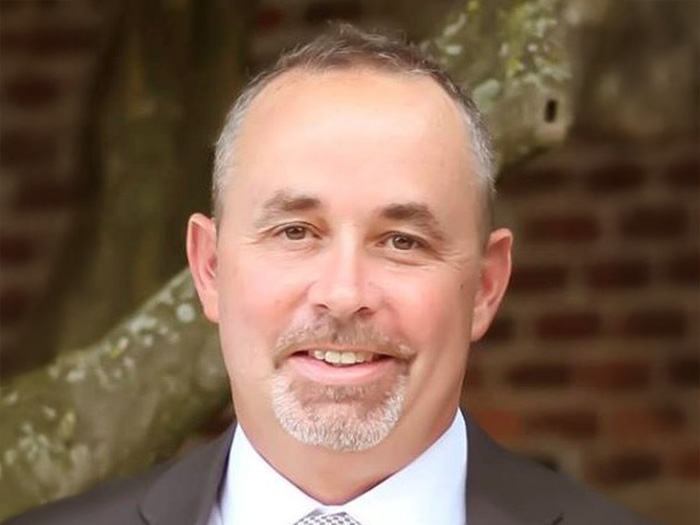
Silvia Sacalis of Healthesystems details the different aspects of holistic care for injured workers and why each is important for a successful return-to-work.
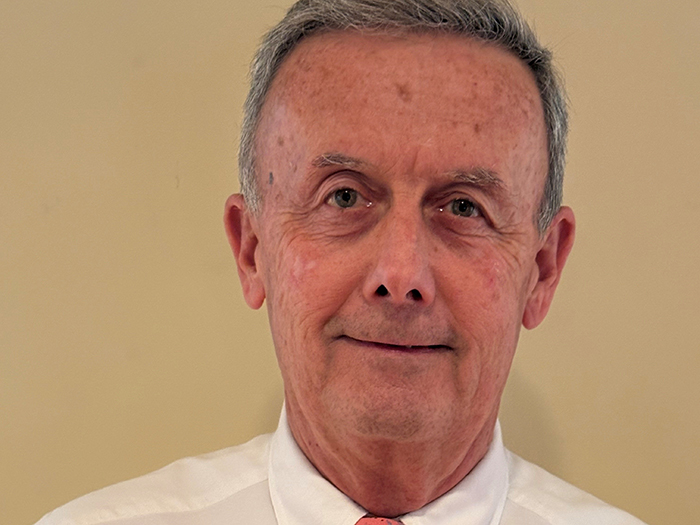
This Kansas workers’ comp manager changed one school’s safety culture by focusing on proper training, work-life balance and the world of special education.
Employment tax revenue is just one sticking point in the fight over worker classification. Uber’s fate could signal an undoing of the gig economy business model – and a unique opportunity for insurers.
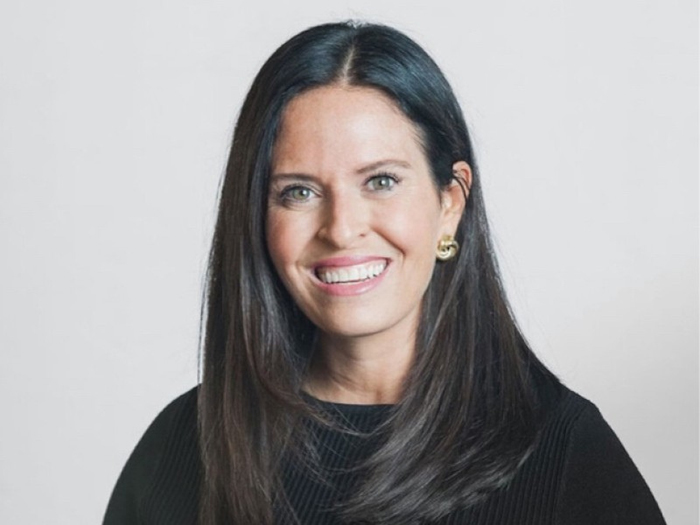
Broker Kelly Ethier knows what it takes to keep collegiate-level athletes safe and protected. Using integrity, attentiveness, passion and industry expertise, she’s getting universities the coverage they need.
At an NWCDC 2019 mega-session, Dr. Gary M. Franklin discussed strategies that keep acute pain from becoming chronic and which can prevent your next catastrophic claim.
A panel at the 2019 National Workers’ Compensation and Disability Conference® & Expo titled “The Opioid Epidemic: Mitigating Employee Safety and Health Risks” drew audience attention to alternatives that are helping curb the crisis.
When Clemens’ Food Group wasn’t achieving desired results from workers’ compensation incentives, they changed strategies. The result? Less injuries, faster recovery and a shining reputation for putting people first.
If it can be determined that individual companies are responsible for climate change, investors and insurers might want to brace themselves for massive payouts.
Clawbacks govern the behavior of corporate executives and manage reputational risk. Despite their complications, more employers are utilizing their protection.
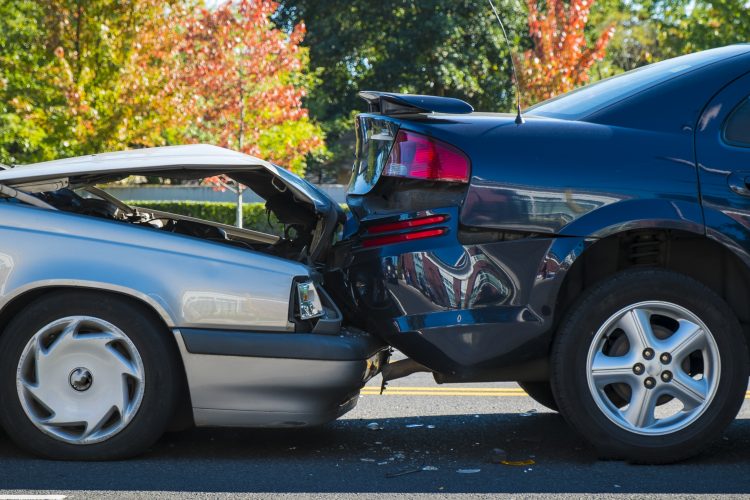
After an accident, it’s unclear whether Uber is liable for injuries incurred by passengers or if drivers — and yes, even the passengers themselves — are responsible.