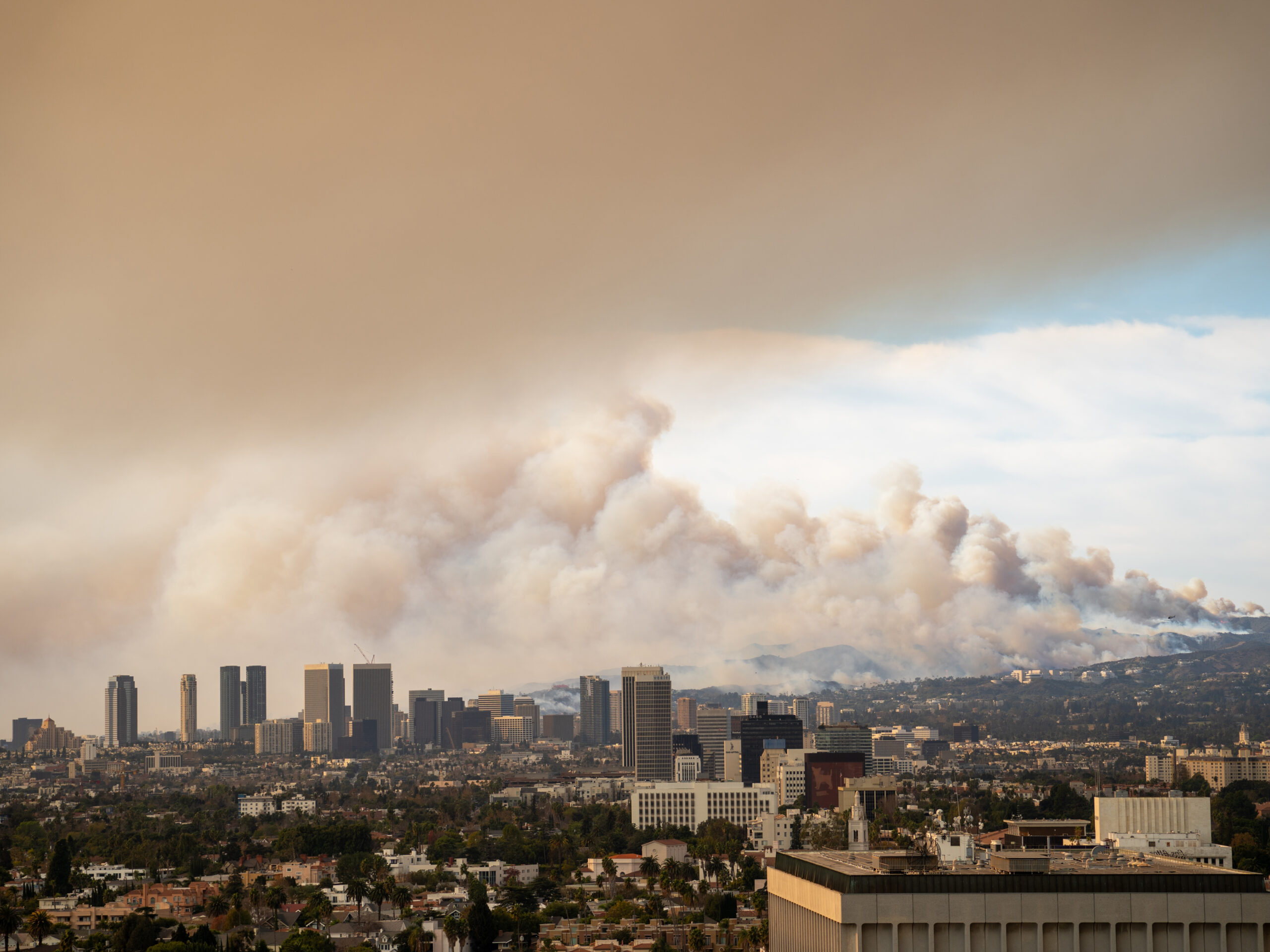
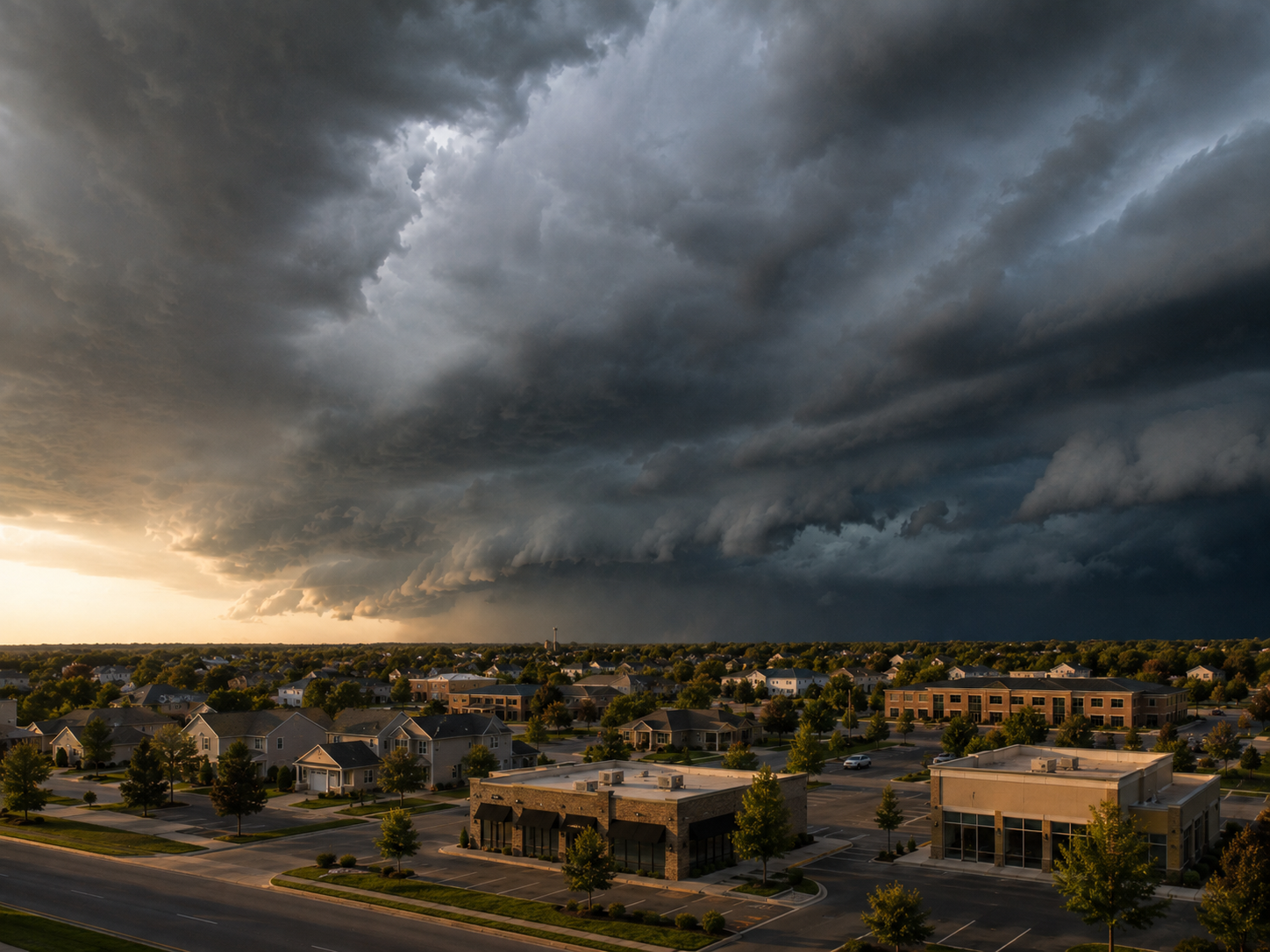
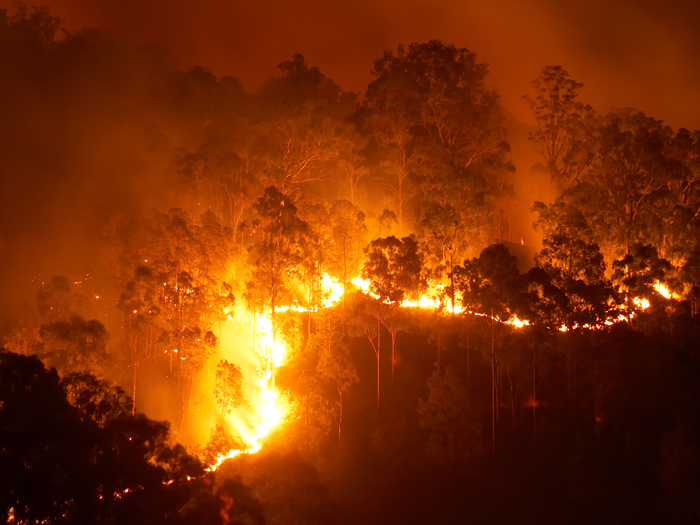
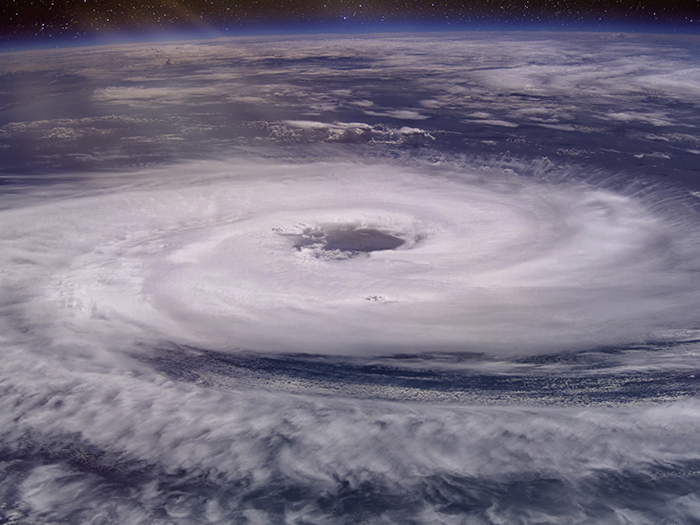
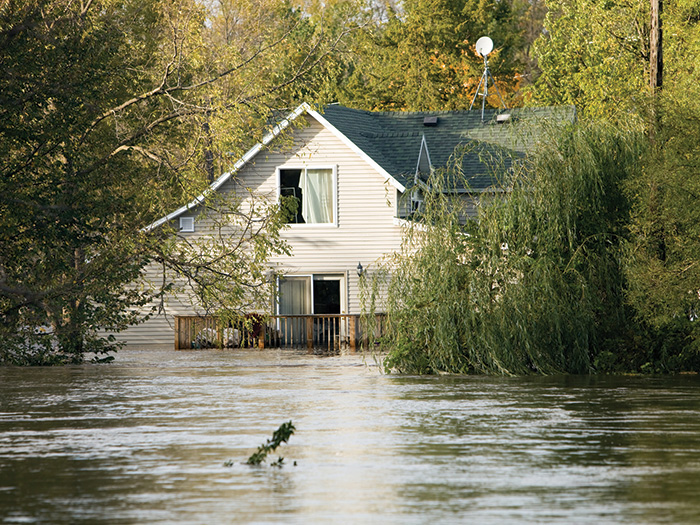
A recent report from the Natural Wildlife Federation and Allied World takes a look at how natural features can be used to reduce the amount of damage caused by Nat CATs.
With the ever-evolving risk landscape, risk professionals have to stay on top of today’s biggest drivers of change to combat tomorrow’s business roadblocks.
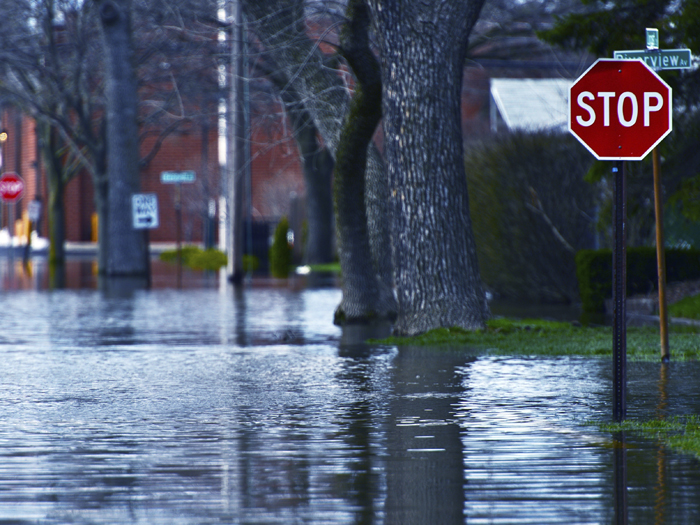
The financial pressure on risk managers and businesses to address flooding risk in the wake of climate change is mounting. Here are a few ways to start.
1,680 of the nation’s high-hazard dams are in risky condition. When they break they endanger people, interrupt businesses and cause massive property damage.
If it can be determined that individual companies are responsible for climate change, investors and insurers might want to brace themselves for massive payouts.
In our economy’s engine, capital is the fuel and insurance is the oxygen. How insurers pivot and manage their exposure to climate change could yet play a major role in reducing the threat.
It is in the self-interest of the financial industry to address new risks brought about by climate change and to scale up the necessary investments to make our societies more resilient.
A number of commercial insurance carriers have now announced that they will limit their investments and underwriting activities around coal, including Chubb.
Climate change is generating powerful storms, excess flooding and billions in damages. These are the risks insurers need to keep an eye on as temperatures increase.
A new UN report warns that climate change will have dire effects on the global food and water supply, potentially making some parts of the globe uninhabitable and begging the question: when will we get serious about climate change?