From supply chain disruptions to cloud outages, systemic shocks are no longer theoretical. Industry leaders explain why predicting and preventing cascading losses requires new tools, deeper collaboration, and a fundamentally different approach to risk.
After discovering a piece of broken glass embedded in its grass sports field, Oak Knoll School of The Holy Child filed a claim with its insurer, Utica National Insurance Group. The school believed that this contaminant clean-up should be covered under its policy, pointing to a pollution coverage provision that stated, “We [the insurance company] will pay your expense to… View Article
New research from Sentry Insurance reveals a striking disconnect between the threats leaders worry about day-to-day and the single events that could permanently shut their doors—along with the proactive steps many are taking to close the gap.
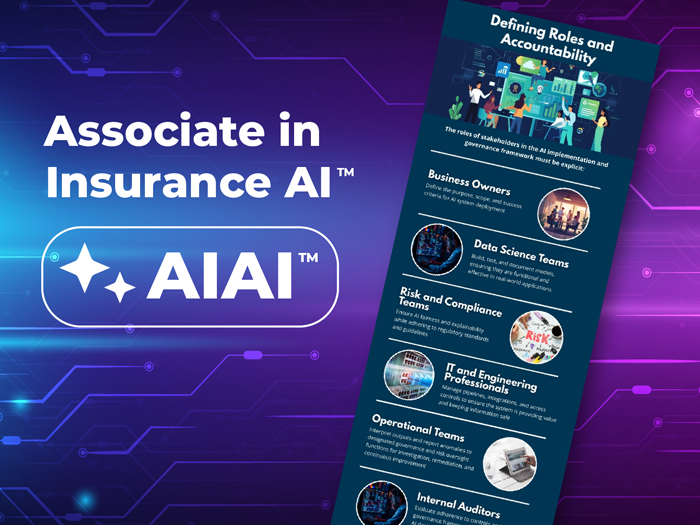
As AI rapidly transforms underwriting, claims, and operations, the Associate in Insurance AI™ provides practical skills to evaluate and apply this technology across the insurance value chain.
In the last 15 years, I’ve been burgled, slandered, libeled, bankrupted, knocked down by a bicycle, electrocuted and strangled. Yet I haven’t filed a single claim.
As we edited the profiles of this year’s crop of Power Broker winners, that phrase, “the ball’s in the back of the net,” kept bubbling up into my consciousness.
The mental health crisis that gained attention during the COVID-19 pandemic hasn’t subsided, and its effects are being felt in the workplace across a multitude of industries.
Thanks to increasingly affordable smart sensors and connected home technology, insurers can now help policyholders prevent many of the most costly and disruptive types of damage before they occur.
As market conditions shift and new technologies emerge, agricultural businesses must navigate evolving insurance landscapes while implementing modern risk management strategies to protect their operations.
The insurance carrier executives featured in this series began their climb to the top years ago. Now, we can watch in appreciation as they move the industry forward.
More than two-thirds of executives feel more stressed in 2025 than the prior year—driven in part by the rising frequency and severity of extreme weather events. Insurance experts say proactive planning and comprehensive coverage strategies can help businesses build resilience against these growing environmental threats.
As the $25 multi-billion business owner’s policy market continues to evolve, carriers are seeking ways to differentiate themselves through technology and ease of doing business while expanding their reach to serve America's small businesses.
Outdoor air pollution is no joke. But the environmental liability from mold and other indoor pollutants is just as real and must be understood, mitigated and addressed with superior insurance coverage.