Newsletters
 Risk Central
 Digital Edition
Brilliance in Focus: Gallagher Power Broker Winner Sarah Palmer
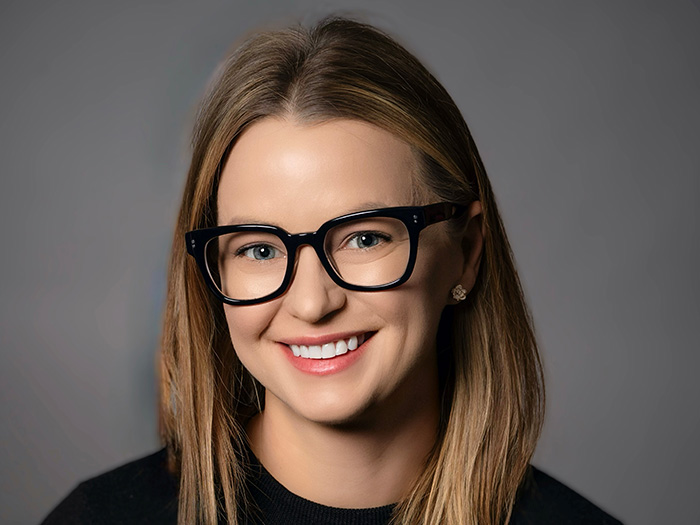

Look for these expanded profiles on the Risk & Insurance website and in your social media feeds throughout the year.
Sarah Palmer: I grew up in a multi-generational family of pharmacists, but chemistry didn’t turn out to be my area of academic strength. While I didn’t study science in college, I grew up hearing about pharmaceutical development and drug risk-benefit debates around the dinner table. That environment created a natural curiosity about treatment development that still exists today.
I don’t hesitate to ask questions or do my own deep dive when something I don’t understand is being discussed. I’ve learned a tremendous amount on the job from mentors and feel fortunate to be surrounded by talented people who encourage me to keep learning.
I also love to read and spend a good bit of time with industry publications, research abstracts, and pharma news. One of the things I love most about this space is that I’m constantly learning. Life sciences organizations tend to be filled with people who share that mindset. In many ways, I think my lack of a formal science background helps me approach issues with curiosity rather than assumptions, which can sometimes help uncover exposures that might otherwise be overlooked.
R&I: Tell us about a time you secured coverage for an incredibly rare cell therapy, gene trial, or highly experimental drug where standard underwriters were terrified to step in. What did that win feel like?
SP: I work with many clients in need of creative coverage solutions. One particular case involved a client conducting research in the rare disease space. The drug product relied on a manufacturing process unique to each patient, creating significant exposure if the product was damaged during manufacturing or transit.
The client faced the potential for substantial financial loss if product was lost or damaged, but they were equally concerned about the impact a shortage could have on trial timelines and participants. Delays in treatment could increase the risk of harm to patients enrolled in the study.
They needed a solution that would protect their balance sheet, support enrollment and trial advancement, and help ensure continuity of drug supply. We took a multi-faceted approach that included carrier and in-house risk engineering, contractual risk transfer with manufacturers and transportation partners, and manuscripted insurance coverage tailored to the exposure.
We were ultimately able to secure coverage for the drug product while helping the company implement manufacturing and shipping controls that reduced the likelihood of a shortage or trial delay. It required detailed collaboration among the insurance carrier and the client’s logistics, legal, and manufacturing teams.
Finding coverage for difficult risks always feels rewarding, but it’s especially meaningful when you consider the broader impact on therapy development, patient access, and ultimately the people who may benefit from those treatments.
R&I: What do you wish more young professionals knew about this segment of the industry and what would you tell them to inspire their interest?
SP: There is so much opportunity to do good by supporting the life sciences industry. When I am mentoring associates who have chosen to focus on this space, I often advise them to find something within the industry that is personally meaningful and lean into it. That connection might come from your own health journey, the experience of someone you love, a story that moved you, or a deeply held belief about improving human health. Having a personal connection helps keep you committed when things get challenging and provides a deeper sense of purpose that makes the work even more rewarding.
R&I: You spend your days surrounded by worst-case scenarios involving illness, litigation, and regulatory failure. What is your personal strategy for mental reset?
SP: As I navigate the day-to-day challenges of working in a demanding space, I am very aware of the importance of protecting my own mental health. I actively seek out habits and routines that provide balance, while also trying to limit exposure to things that make it harder to maintain perspective.
Small changes have had a significant impact for me: limiting social media, reducing exposure to the constant stream of notification alerts, being unapologetic about protecting time with family, prioritizing sleep, and getting outside whenever I can.
I also take at least one vacation each year with my family where I am completely off the grid. We’re usually somewhere in the wilderness with no cell service and no internet. I always come back with a clearer mind, fresh ideas, and a new perspective on the challenges I’ve been working through.
As difficult as this industry can be at times, it can also be incredibly inspiring. Hearing about therapies being developed for conditions that previously had no treatment options, seeing expanded patient access through more resilient supply chains, and knowing that lives are being changed is an incredible reward. &