Newsletters
 Risk Central
 Digital Edition
Affluent North Americans Face Disconnect Between Economic Confidence and Risk Exposure
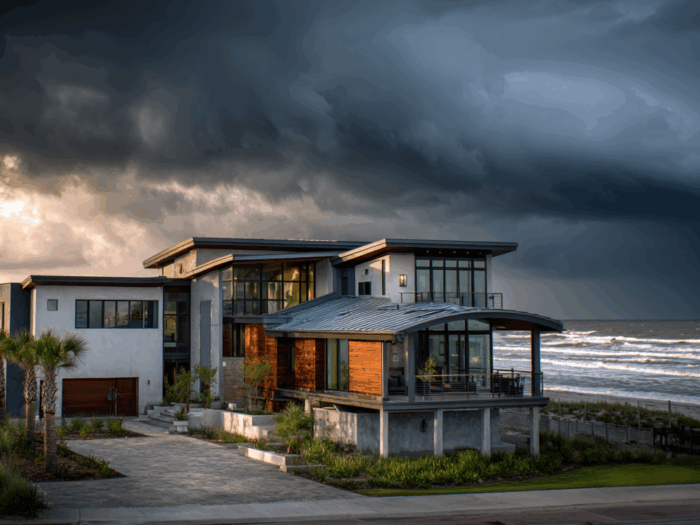
While 79% of wealthy North Americans believe the economy will grow over the next 12 months, a new survey finds a troubling gap between their optimism about building wealth and their exposure to sophisticated, evolving risks—with cybersecurity emerging as the top global concern, according to Chubb’s 2025 Wealth Report.
Two-thirds of survey respondents with assets exceeding $5 million say more opportunities exist to build wealth than ever before. Yet beneath this confidence lies a more complex reality, according to the survey. Nearly 35% express anxiety about potential income loss from declining business profits or job loss, up significantly from 27% the previous year.
Investment losses remain the primary financial concern, with nearly two-thirds identifying this as the biggest threat to their wealth and lifestyle. But the nature of what keeps affluent families up at night has shifted dramatically, according to Chubb.
Cybersecurity now ranks as the top worry, surpassing health care and pandemic fears, which dropped to 40% from 77% the previous year. Cyberbullying and identity theft were noted as the biggest concerns.
Climate change remains a persistent worry for 91% of respondents concerned about property protection.
Melissa Scheffler, division president of Personal Risk Services at Chubb North America, noted the expanded nature of modern threats: “Physical assets are no longer the only concern for the wealthy; some of today’s most significant risks reside in the intangibles, such as sophisticated artificial intelligence attacks, including deep fakes, and other cyber exposure and outsized personal liability verdicts.”
Building Resilience Into Property and Collections
Extreme weather events have prompted a focus on resilience among affluent homeowners in the survey. Nearly 86% favor strategic property improvements to mitigate climate impacts, such as upgrading roofing materials, installing impact-resistant windows and improving drainage systems. An additional 83% plan to increase insurance coverage for uncontrollable risks. Eighty-one of those planning to purchase, build or renovate within the next 24 months consider home resilience essential.
Yet a significant gap exists between concern and expert consultation. Just over half of respondents want risk reduction advice from their insurer, and fewer than half feel confident seeking climate guidance from their carrier despite the availability of predictive modeling tools that assess weather patterns five to 20 years into the future, the report said.
For collectors of art and other valuables, natural disasters pose greater concern than theft or fire, with 73% citing this risk. However, only one-quarter plan to insure new acquisitions despite enthusiasm for collecting—44% said they plan to add to their collections in the coming year.
Closing Critical Protection Gaps
Perhaps most troubling are the gaps in liability and cyber insurance, the report said. More than two-thirds of affluent families express concern about potential lawsuit verdicts against them, yet only one-fifth carry excess liability insurance. Of those who do, 78% maintain limits of $3 million or less—potentially insufficient given rising jury awards and defense costs.
Reputational liability also weighs heavily, with 80% concerned about assault or harassment allegations and 67% worried about defamation claims. These intangible risks require comprehensive risk audits to identify exposures across properties, vehicles, employees, contractors and planned events.
Cyber exposure presents a similarly sharp disconnect. While approximately two-thirds of respondents believe they have cyber attack coverage, most rely on credit card protections or homeowners policies rather than dedicated cyber insurance. Only 41% carry standalone policies, though 85% of those with assets exceeding $25 million do.
Carolyn Boris, vice president and product development manager at Chubb Personal Risk Services, explains the limitation: “People tend to overestimate what their credit card or bank protections will cover after a cyber incident. A comprehensive cyber policy fills these gaps by covering direct financial losses and the associated recovery expenses that standard financial protections don’t touch.”
View the full report here. &