Newsletters
 Risk Central
 Digital Edition
Influencer Lawsuits Spur Insurance Demand as Creators Become Global Publishers
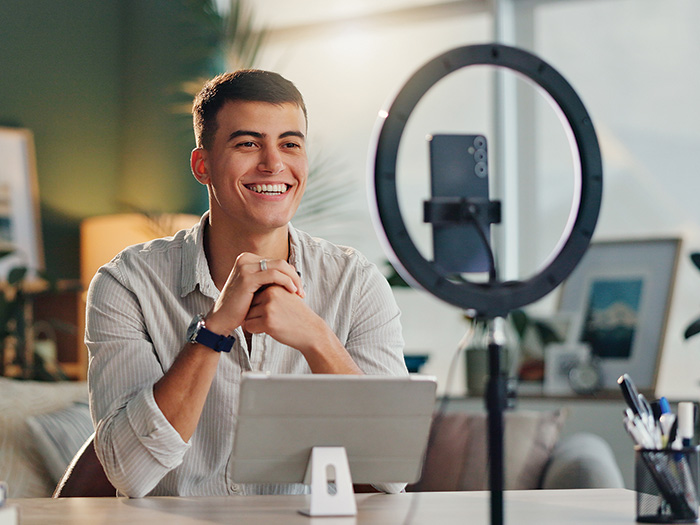
The lawsuits are piling on.
In recent years, social media influencers have faced legal actions over everything from copyright infringement and defamation to misleading endorsements and privacy violations. Cases involving creators accused of using unlicensed music in sponsored content, spreading false information, or promoting products linked to consumer harm have highlighted a growing reality: influencers are no longer hobbyists posting from their basements or bedrooms. Many are now media businesses with worldwide audiences — and increasingly, they face the same legal risks as traditional publishers.
That evolution is creating a burgeoning opportunity for the insurance industry, which is developing specialized products designed to protect creators against an increasing range of exposures.
“Influencers don’t think of themselves as publishers,” said Angela Weaver, Focus Group Leader for Media & Entertainment at Beazley, the London-based specialist insurer. “But they absolutely are.”
Weaver notes that many influencers command audiences larger than the readership of major newspapers, yet often operate without legal review, compliance teams or insurance protection.
“If you take a well-known newspaper like the Wall Street Journal or USA Today, there are many influencers with followings much greater than the readership of those newspapers,” Weaver said. “A newspaper publisher is very, very careful about what it prints. But influencers don’t think of themselves as publishers. And they are.”
From Viral Posts to Courtrooms
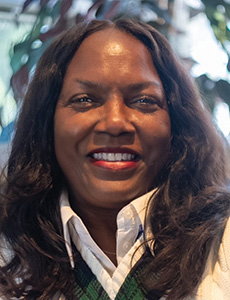
Catrina Richardson, Area Assistant Vice President, RPS
One common source of litigation involves copyrighted music. Influencers frequently use popular songs in videos, often unaware that commercial use may require licenses. The problem extends beyond creators themselves.
Brands can become defendants when they repost influencer content containing unlicensed music.
“There is a lot of unlicensed music on the internet in brands’ social media and influencer content,” Weaver said. “The large music companies look at the aggregation of all that unlicensed music, and they bring a lawsuit against the brand.”
According to Weaver, companies may assume that reposting content shields them from liability because they did not originally create it. That assumption can be costly.
“Just because that person had or hadn’t got the license for the music doesn’t mean you can repost it,” she said. “We have problems not only with people putting music onto content, but also reposting content with music on it.”
Kurt Hines, CEO and founding member of Ovation Entertainment & Sports Underwriters in Indianapolis, sees copyright disputes as part of a broader set of risks facing creators. “The way I think about the risks are there’s kind of three main categories,” he said. “The first one is things you say, the second one is things you do, and then the third one is things that happen to you. Things you say is probably by far the biggest risk that most influencers face.” He cites defamation, misrepresentation of sponsorships, FTC violations and copyright infringement among the most common concerns.
Defamation claims are a significant issue. Public figures and influencers have increasingly found themselves in court over online statements, including accusations that damaged reputations or businesses.
One of the most famous social media defamation battles in the United Kingdom was the so-called “Wagatha Christie” case involving footballers’ wives Coleen Rooney and Rebekah Vardy, which stemmed from allegations made on social media and ultimately resulted in a costly legal fight.
“The costs in these cases are huge,” Weaver said. “Media lawyers are expensive, so the costs of defending yourself are high.”
Influencers Often Underestimate Their Exposure
Insurance brokers and underwriters say a major challenge is convincing influencers that they face genuine legal risks regardless of audience size.
“Whether you have five followers or 500,000 followers, you’re influencing someone,” said Catrina Richardson, Area Assistant Vice President at RPS (Risk Placement Services).
Richardson believes many creators remain underinsured or uninsured entirely.
“I don’t believe that they have all of the coverage they need,” she said.
Hines notes that the influencer economy itself is still relatively young and evolving rapidly.
“We are probably in the formative stages,” he said. “We’re sort of like in the elementary school years” of the industry’s development.
The nature of influencer content also creates underwriting challenges.
“The main difference is you don’t know exactly what they’re going to say or do,” Hines said. “Unlike actors, musicians or other traditional entertainers who often work from scripts and have professional support teams, many influencers are “getting paid to say a bunch of stuff off the cuff.”
That spontaneity can increase both legal and reputational risks. Also, content can be shared instantly, copied repeatedly, and viewed worldwide.
“Influencer content spreads instantly. It gets copied, it gets reposted, and they have a global audience,” Richardson said. “If something goes wrong or is misstated, the influencer is absorbing that liability.”
The Insurance Policies Creators Need
Industry experts say the baseline product creators need is media liability insurance, which covers claims arising from content itself. Media liability policies may address libel, copyright infringement, trademark disputes, privacy violations, and certain regulatory issues. Copyright claims are particularly common.
“Less sexy, but more important, is breach of copyright and breach of music copyright,” Weaver said.
Hines likewise identifies media liability as the most critical coverage.
“Media liability is going to cover everything from defamation, slander, any kind of error or omission,” he said. “That also includes copyright infringement.”
Richardson recommends that creators also consider general liability, professional liability, and cyber insurance.
Professional liability coverage can protect creators against allegations that they failed to deliver promised services under sponsorship agreements. Cyber insurance addresses hacking incidents, account takeovers, and data breaches.
As influencers increasingly launch merchandise, beauty products and other consumer goods, product liability coverage is becoming another critical component.
“A skincare product that causes an allergic reaction could create liability,” Richardson said. “A lot of the influencers have brand deals, so product liability insurance protects them.”
Brands Are Becoming More Demanding
The growing litigation risk is influencing how brands select creators.
Some companies now require influencers to carry insurance before entering partnerships, said Weaver, who recommends brands conduct thorough due diligence before collaborating with creators, including reviewing past content and checking for copyright issues.
“If I was to focus on one thing, it would be music,” Weaver said. “Check for unlicensed music.”
Historical content matters as much as current posts.
“That content is still kicking around the internet,” she said. “It’s not gone away.”
Controversial posts made years earlier can resurface and create reputational challenges for corporate partners.
While insurance may help address certain contractual disputes or crisis-management costs, some risks remain difficult to insure.
“The most likely thing is that the brand will just drop you,” Weaver said, referring to influencers whose past conduct becomes controversial. “To my knowledge, there is no insurance cover for that.”
AI Creates New Questions
Artificial intelligence is creating another uncertainty for creators and insurers. AI-generated images, voices and videos bring questions about copyright ownership, likeness rights and impersonation risks.
Weaver cautions influencers against assuming AI-generated content is automatically safe to use.
“Just because it’s been created by AI doesn’t give you the right to post it,” she said.
Hines agrees that artificial intelligence may reshape the risk landscape in ways the industry has yet to fully understand.
“What happens if your content creator is really AI?” he said. “I have no idea.”
A Growing Market for Insurers
Despite uncertainty, insurers see growth potential. Richardson has seen an increase in inquiries from creators and their representatives.
“That’s something that’s popping up more now than a year ago,” she said.
Coverage is affordable compared with litigation costs. A package including media liability, cyber coverage and related protections start around $3,500 annually, experts said.
As social media continues to reshape how information is created and consumed, experts believe creators will increasingly be treated like media organizations rather than hobbyists.
Richardson argues that some influencers have already become the modern equivalent of traditional broadcasters.
“Influencers are putting out information. They’re putting out news,” she said. “To their audience, they are the new Walter Cronkite. They are the new Barbara Walters.”
For insurers, that transformation creates a rapidly evolving market. For creators, it is a reminder that a large following can bring not only fame and revenue, but legal responsibilities that require protection.
As Hines notes, “as soon as you put out content, you’ve created some kind of exposure.” And the larger an influencer’s audience becomes, the larger the target. &