The best of R&I and around the web, handpicked by our editors.
White papers, service directory and conferences for the R&I community.

Web replica of the print magazine.
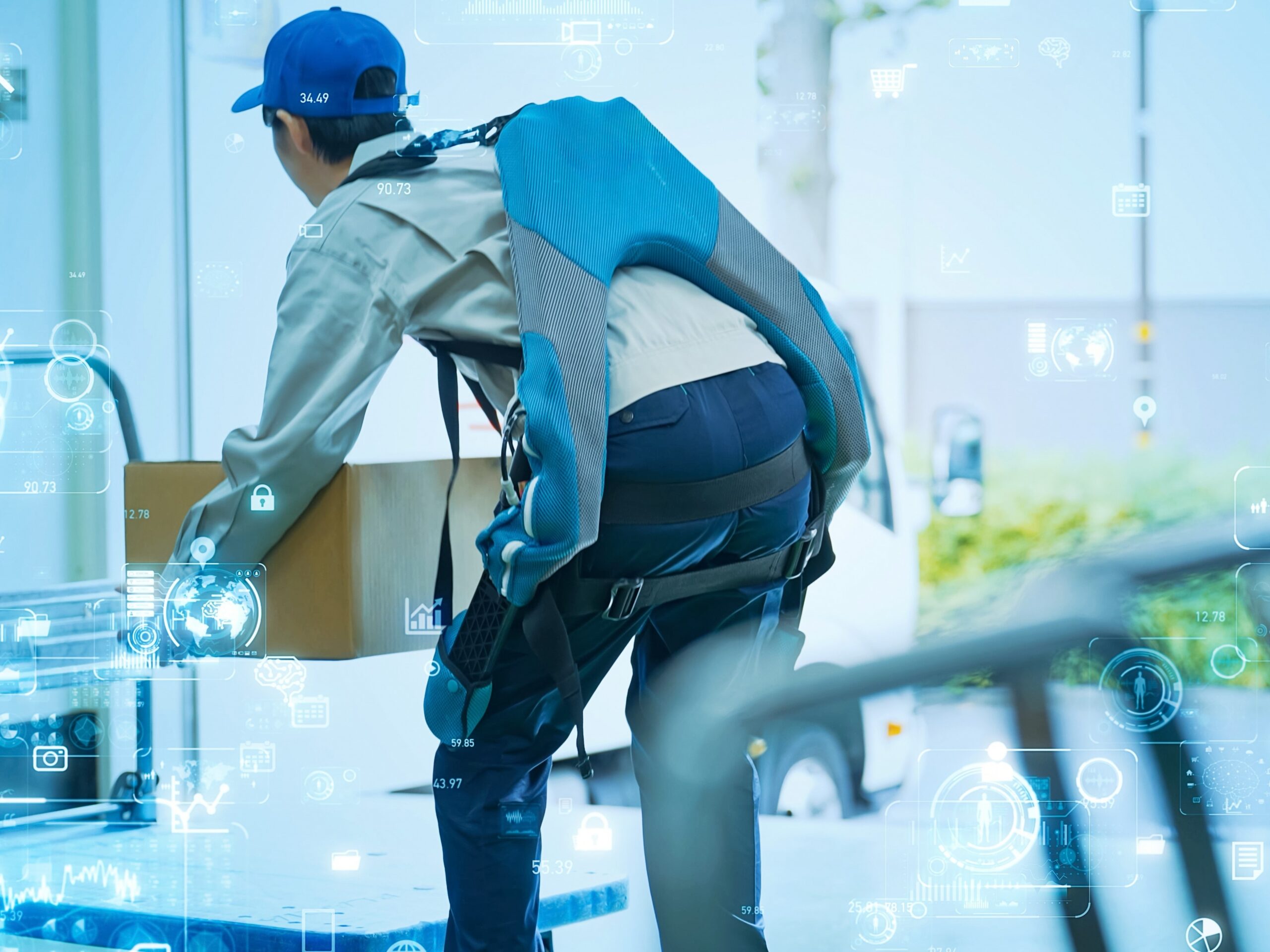
A National Safety Council survey found that workers broadly view musculoskeletal disorder prevention technologies as positive for their safety and wellbeing, especially when involved in implementation decisions.
Steve Richards masterfully recalibrated Coca-Cola’s workers’ comp program when the company rapidly added 25 locations and thousands of new employees.
Frank Russo integrated risk management throughout his company, building a strong and collaborative risk culture.
Joseph J. Mazza has cut repetitive motion workers’ comp claims in half by training in ergonomics.
Cumulative Trauma, or CT claims, continue to harm workers and drive up costs. Defending against these claims means reducing, through analytics and engineering, the chance that workers get hurt to begin with.
Creating a “safe space” for injured workers returning to the job is a concept deserving a spotlight.
Music festivals are high-profit, high-risk events. Mistakes can sink an entire show and put lives in danger.
While ergonomic rules never became law, the idea alone fueled a nationwide awareness.
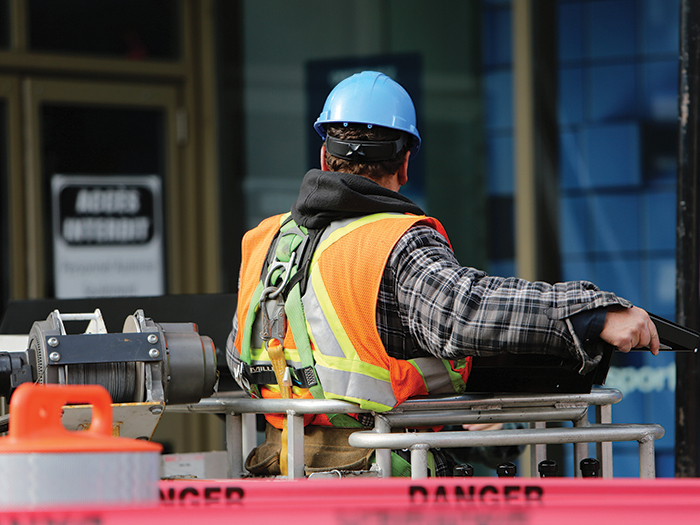
Inexperience and high turnover rates among youth workers are safety risks. Employers must continue to seek out training methods to prevent injury.
Managing company culture will be very important in getting workers to use wearables.
Decisions on marijuana policy are shifting, leaving employers concerned about maintaining safe and drug-free workplaces.
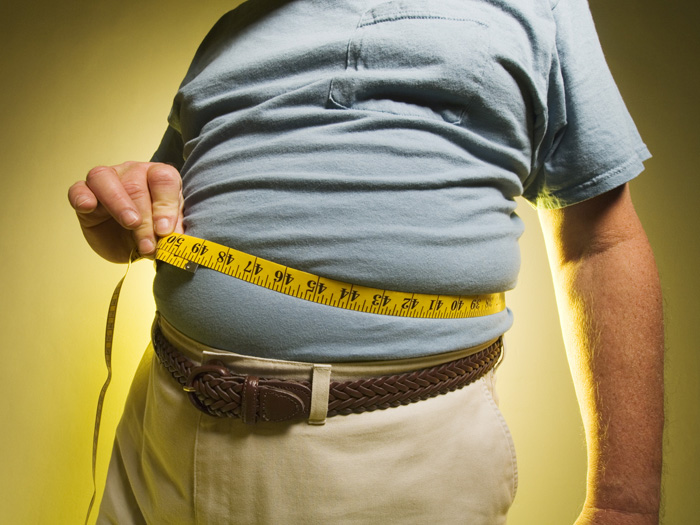
A Texas A&M study concludes that effective ergonomic guidelines must take BMI into account.
The degree to which companies can effectively collect data on their employees hinges upon trust and transparency.
A hospital fired an injured nurse. Now it faces a disability discrimination complaint.
A recent webinar offered an outline of legal and regulatory changes that employers should be aware of.
The debate over how long incident data should be maintained misses the point of why the data matters.
Slip and fall prevention programs must interweave all of the factors contributing to the risk.
As risks grow globally, companies must increase focus on the perils that may face their employees abroad.
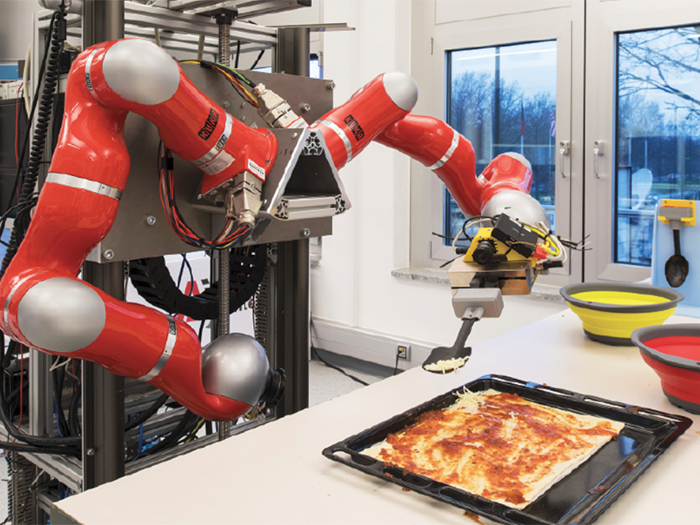
Collaborative robots, known as cobots, are rapidly expanding in the workforce due to their versatility. But they bring with them liability concerns.
Liberty Mutual appears to be the first carrier to create a workflow process for evaluating medical marijuana expense reimbursement requests.
More employers are taking formal steps toward addressing the workplace cost of distracted driving.