The best of R&I and around the web, handpicked by our editors.
White papers, service directory and conferences for the R&I community.

Web replica of the print magazine.
While claim frequency has declined, the information load facing claims professionals has grown dramatically. Here’s how organizations can simplify claims management without sacrificing outcomes.
As cannabis slowly achieves acceptance for treating workers’ comp injuries, reimbursement for the rave drug ecstasy may not be far behind.
A significant number of patients report reduced pain after only 15 minutes of virtual reality immersion.
Employers and insurers are engaging workers in OSHA’s National Safety Stand-Down to help curb serious fall risk in the construction trades.
The decline of opioids is encouraging, but increased positive tests in methamphetamine and cocaine should be seen as a wake-up call for public safety.
Overexertion, same-level falls and falls to a lower level top the list.
The latest workers’ comp court decisions on cannabis reimbursement, safety criteria in hiring practices, attorney fees, interstate claims and more.
New advancements in tribometry are advancing the art and science of slips and falls prevention.
Poor governance distracts from important issues like opioids, the potential creation of infrastructure, jobs and health care.
Educating injured workers provides them with a sense of control over their care and their recovery.
Protective gear sized for men puts women at risk for injury in construction and many other trades.
Automation may help companies prevent common injuries, but it’s not time to ease diligence on safety.
Comp payers need to do the right thing in helping PTSD sufferers.
Homicides and suicides in U.S. workplaces are increasing year over year.
Nurse case managers act as a resource of knowledge, assistance and support for injured workers and everyone involved in their care.
Being willing to ‘fail small’ can help organizations achieve greater success within workers’ compensation programs, and beyond.
A block of driving time split between personal and professional errands creates confusion about whether injuries occurred in the course and scope of employment.
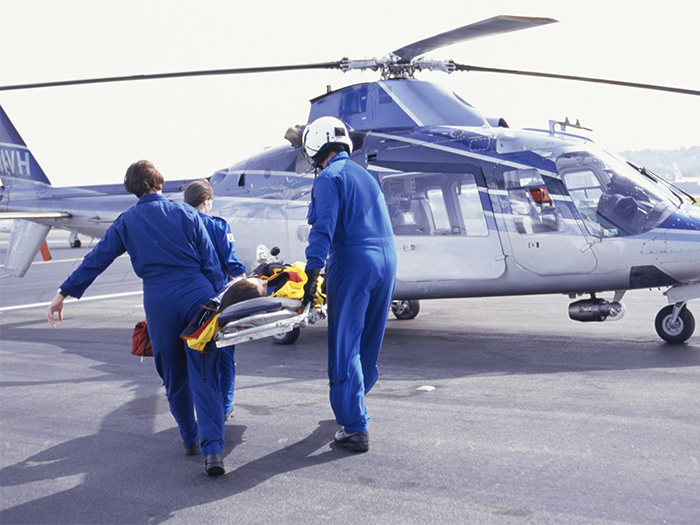
Where air ambulances are concerned, health care regulation is at odds with aviation regulation, creating a dispute over rates.
Multiple points of exposure within the workers’ compensation industry make it challenging to ensure the security of patient information.
When dealing with injured workers, you’re dealing with human beings, and there is nothing more fragile than humans.
Work-related stress is looming as a significant concern for workers’ compensation and employment liability insurers.