Superior medical care for injured workers doesn’t need to be a burden for business; it starts with having the right network in place that will equip the best doctors for the job.
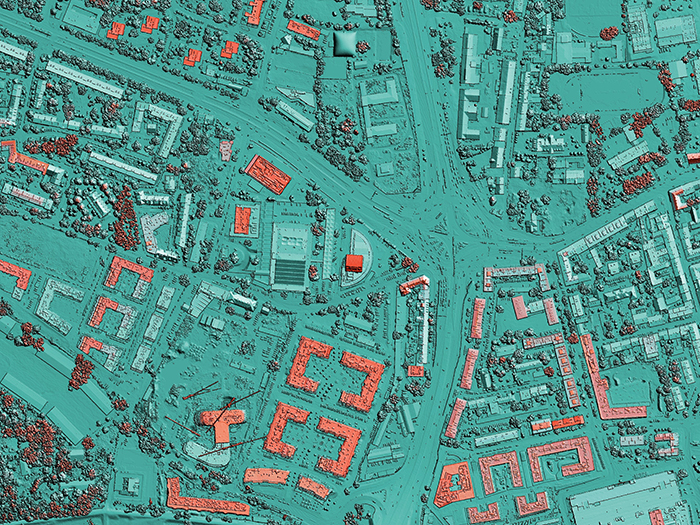
Capturing the necessary geospatial intelligence to make informed underwriting and claims management decisions is a practice insurance executives would do well to keep their eyes on.
Artificial intelligence can help physicians reduce their administrative workload and manage the strain caused by talent shortages, but these new technologies are not without risk.
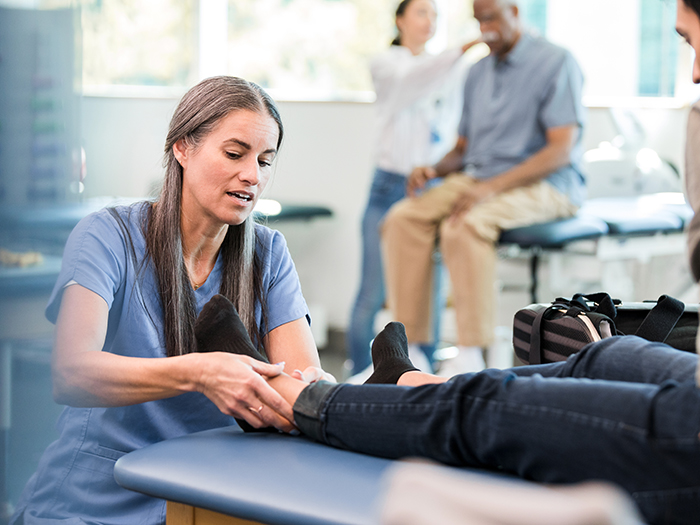
Early intervention by a licensed physical or occupational therapist or athletic trainer can implement strategies to help reverse the progression of workers’ musculoskeletal injuries — improving patient outcomes, reducing workers’ compensation claims while helping to build a safer culture.
CorVel has witnessed topical costs rise following the recent drop in opioid prescriptions, and now offers alternatives to manage their expense without impacting care.
In this fictive scenario, a burgeoning small town bakery is hit with a ransomware attack demanding Bitcoin payments… or else. But when this baker pays, no questions asked, she soon learns that maybe asking a question or two could have benefited her business.
Workers’ compensation claims management can be improved with prompt intervention, active communication, smart return-to-work initiatives and data-driven decision-making.
Rising healthcare costs — now often employers’ second-largest expense — can be mitigated by transitioning to self-funded plans with stop-loss insurance support, providing cost efficiency without compromising care.
Firms looking to attract and retain claims talent would do well to explore the potential of formal onboarding and continuing professional development programs.
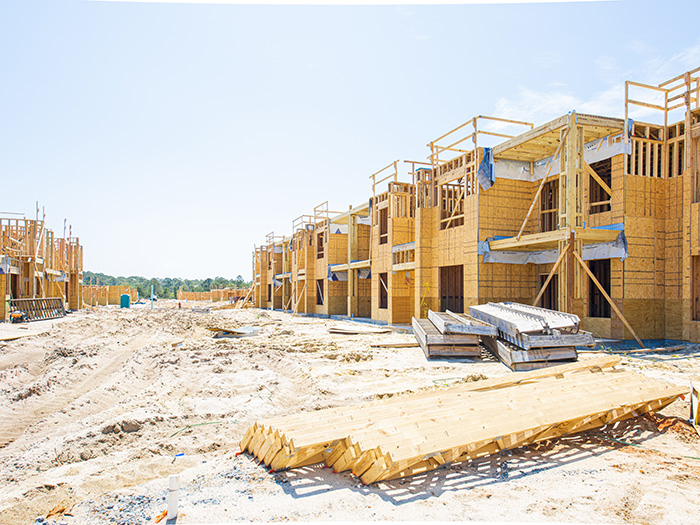
Supply chain snags, labor shortages and inflation are pushing project timelines back, but getting an extended insurance policy may not be as easy as insureds think.
Carisk Partners is leveraging AI and machine learning to analyze unstructured data, predict recovery trajectories, identify high-risk workers’ comp claims and manage costs.