As artificial intelligence reshapes industries across the board, insurance brokerages are discovering that not all AI is created equal — and the ones choosing purpose-built tools are pulling ahead.
As consolidation reshapes the healthcare landscape, buyers and sellers face unique insurance risks that standard policies were never designed to address.
The health care liability insurance market faces daunting challenges, with nuclear verdicts skyrocketing and premiums climbing. With the litigation environment unlikely to improve, more robust risk management is a must.
In this fictive scenario, a thriving boutique owner’s dream goes up in flames when a hidden electrical hazard and an overlooked insurance gap combine to deliver a devastating financial loss.
As severe weather events grow more frequent and more destructive in many regions, proactive risk mitigation has become essential for protecting commercial properties across the United States.
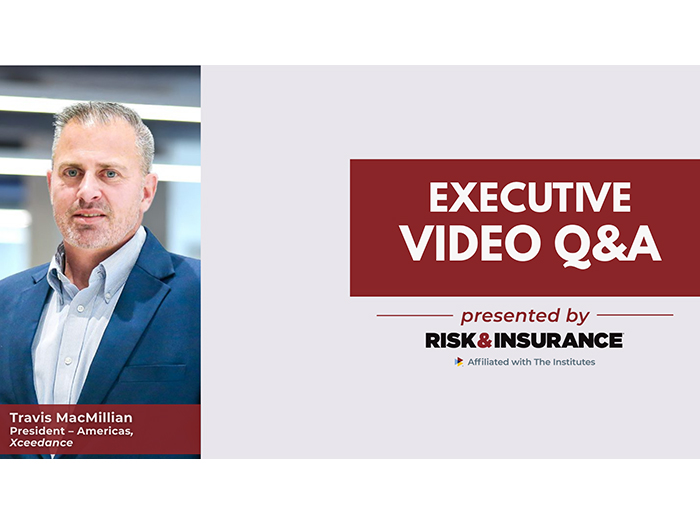
As artificial intelligence reshapes the insurance landscape, insurers that fail to account for change management, data integrity, and regulatory oversight risk costly missteps. Here is what an industry expert recommends.
Industry experts discuss the evolution of claims management as organizations leverage artificial intelligence to support adjusters, not replace them, while improving outcomes for all stakeholders.
Early MRI evaluation and clear communication about injury timing can help adjusters and providers make better care decisions and potentially reduce costs for workers’ compensation systems.
Musculoskeletal disorders continue to plague American workers. New diagnostic approaches are giving safety leaders practical tools to identify and address ergonomic risks before they result in injuries and costly claims.
As artificial intelligence reshapes the claims landscape, insurance professionals reveal how human expertise and strategic relationships remain central to protecting client interests and driving better outcomes.
As U.S.-based organizations expand globally, property risks are becoming more interconnected — requiring a coordinated approach to managing exposures across borders.
Misunderstanding artificial intelligence (AI) could put organizations and patients at risk. Here’s what executives need to know about responsible AI adoption in workers’ comp.
From data centers to LNG plants, today’s mega construction projects require sophisticated approaches to risk mitigation and transfer that bring together underwriting expertise and claims insight from the earliest stages.
As climate effects and non-peak perils challenge traditional diversification strategies, property insurers need a comprehensive approach to accumulation risk that goes far beyond standard modeling.
Timely access to the right medical care and efficient coordination across stakeholders significantly improves recovery outcomes, reduces delays, and supports faster return-to-work in workers’ compensation cases.
Learn how a RMIS can strengthen cross-functional alignment across risk, safety, finance, operations, and IT; reduce reliance on manual processes; and support more confident, informed leadership discussions.