Thanks to increasingly affordable smart sensors and connected home technology, insurers can now help policyholders prevent many of the most costly and disruptive types of damage before they occur.
Creating truly safe roads requires a comprehensive approach that addresses vehicle technology, transportation policy and the risky behaviors that contribute to these preventable tragedies.
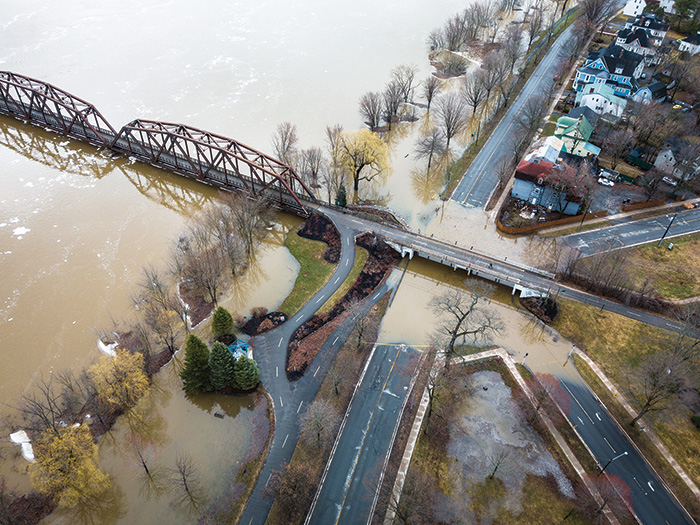
Sensors collecting hyper-localized data on dozens of environmental factors are helping to build a better understanding of exposure to extreme weather events, and giving insureds more opportunities to predict and prevent losses.
Insurers and their clients are under pressure to prevent verdicts in the tens of millions of dollars. Having the proper defense and prevention tools can help.
It’s interesting, as Steve Jobs once said, you can’t connect the dots looking forward, but you can connect them looking backward. My journey in technology innovation has been a culmination of experiences and insights gained over time.
“In the supply chain, there’s a significant push for increased visibility, which involves using technology to see beyond the first level down to the second, third, or even fourth tier. This integration between conveyances allows for tracking, tracing and predictive analytics.”
The founder and CEO of vQuip shares how this specialty insurance company is targeting outdoor experience rental equipment, like jet skis or snowmobiles, and what it means for them to be an “insurance chameleon.”
In the complex landscape of middle market business operations, risk management stands as a watch guard, protecting employees and organizations from the unforeseen and the preventable. Yet many leaders still don’t think about risk management as a key performance metric for a productive and healthy business.
Joann Balous of Travelers discusses the evolving role of CFOs in the insurance industry, their increasing involvement in risk management decisions, and the impact of macroeconomic factors on their strategies.