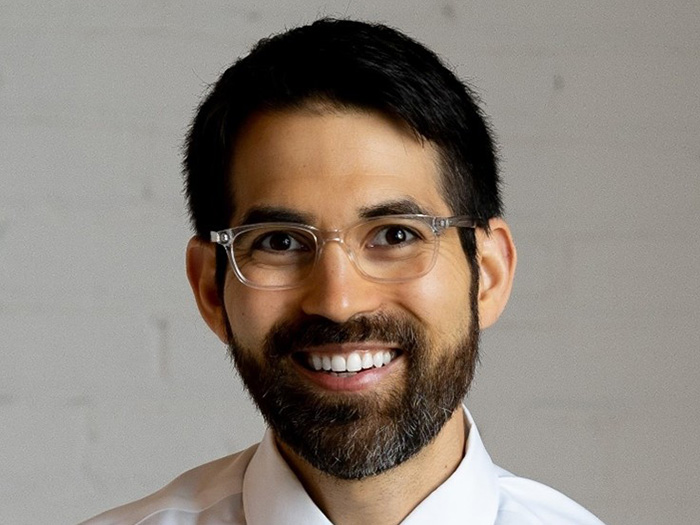
From transparency and collaboration to proactive problem solving, Jeni VerMeulen explains the qualities that distinguish true partnerships in today’s evolving workers’ compensation landscape.
From submission intake to claims processing, artificial intelligence is delivering measurable results for insurers willing to embrace change. Success will depend on overcoming ingrained habits and adopting a more modular approach to technology.
Mike Sisk explains how increasing employment litigation, AI-driven workplace liability concerns, and regulatory changes are shaping a growing EPLI market that is expected to firm modestly in 2026.
As construction projects grow more complex and contractual requirements intensify, contractors are seeking efficient ways to meet their coverage obligations without sacrificing protection
Homeowners’ associations account for a third of the U.S. housing market and continue to grow. With that growth comes a complex mix of exposures, from pool safety to armed security contracts, that demand thoughtful underwriting and risk management support.
As workers’ compensation claims grow more complex, today’s claims professionals are evolving into strategic coordinators who combine technology, clinical expertise, and collaboration to improve outcomes for injured workers and employers alike.
Health care organizations are turning to innovative staffing models, technology and employee support strategies to address persistent workforce shortages and strengthen operational resilience.
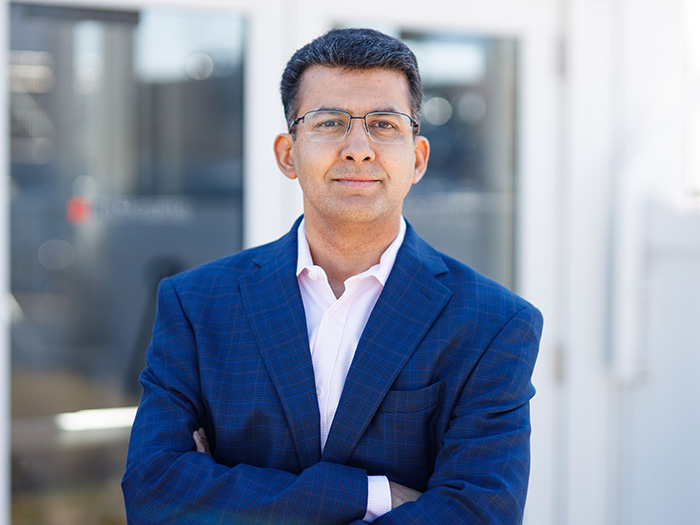
MedRisk CEO Sri Sridharan discusses how the company is using its vast workers’ compensation data, AI and provider insights to improve patient care, optimize medical costs and create stronger partnerships across the claims ecosystem.