Church Mutual’s Jeff Zehr sees plenty of underwriting opportunities in the nonprofit space, despite headwinds such as nuclear verdicts and nonprofit funding challenges.
With billion-dollar disasters now averaging 23 per year, the Associate in Catastrophe Risk and Resiliency™ program addresses the industry’s urgent need for specialized catastrophe risk management expertise.
Recent government opposition notwithstanding, this new frontier in U.S. renewable energy is seen as essential to meet power demands for data centers and the electrified economy.
A decade-long analysis of more than 300 cyber claims reveals that a small number of large losses drive the majority of cyber costs—and ransomware remains the most disruptive force.
Outdoor air pollution is no joke. But the environmental liability from mold and other indoor pollutants is just as real and must be understood, mitigated and addressed with superior insurance coverage.
New research outlines five critical implementation considerations organizations must address to harness AI benefits while mitigating privacy, accuracy, and transparency risks.
With U.S. businesses spending more than $1 billion per week on workplace injuries, a renewed focus on the persistent causes that have dominated injury statistics for 25 years is called for.
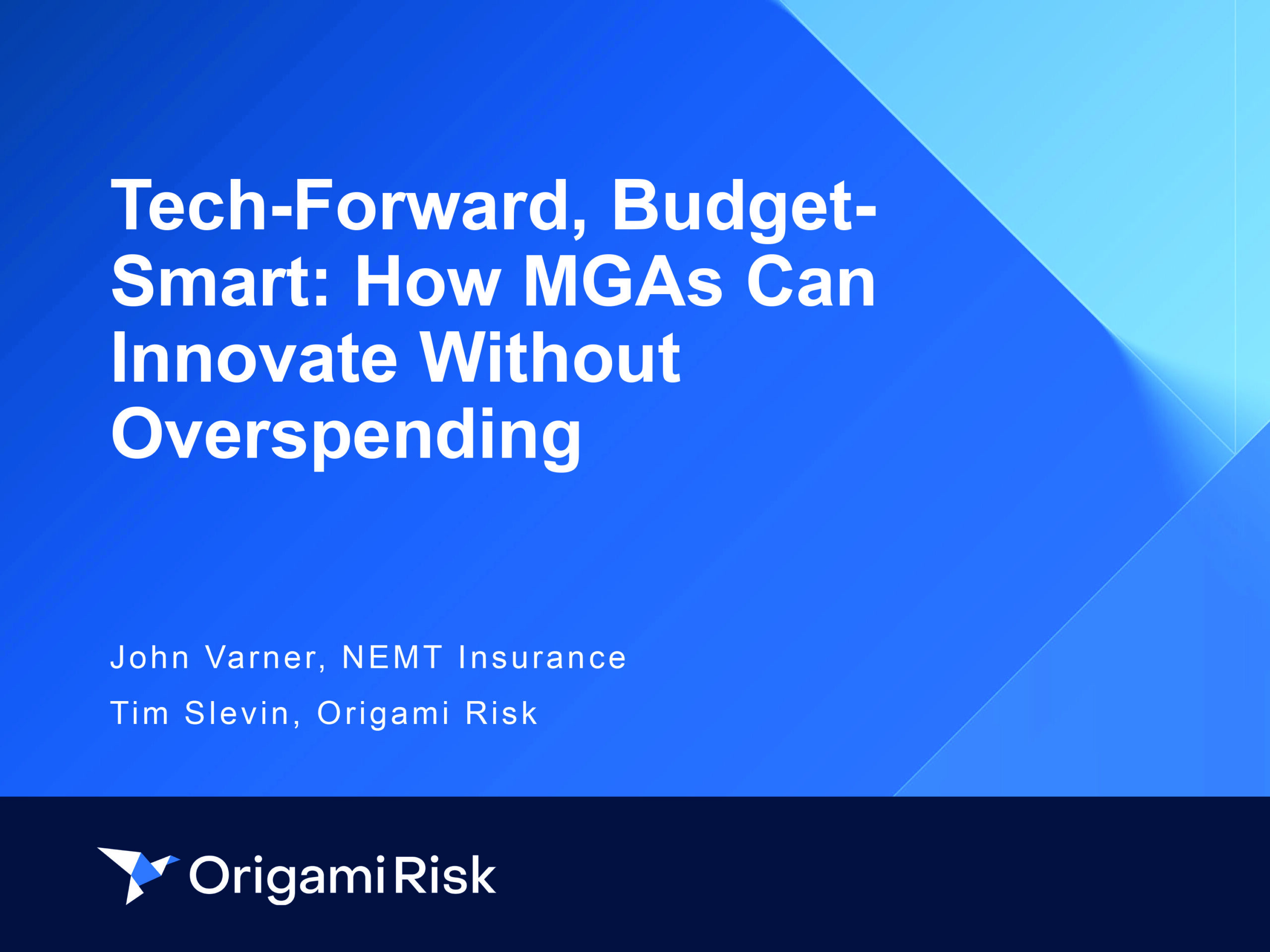
Learn how MGA leaders can strategically prioritize technology adoption—leveraging API-first platforms, automation, and data analytics—without compromising financial discipline.
As cyber attacks grow more sophisticated and frequent, The Hartford shares four essential strategies businesses can implement now to stay ahead of evolving threats.
New data from AmTrust Financial reveals that while cuts dominate restaurant injury statistics, muscle strains create the heaviest financial burden—costing nearly 500% more per claim than the industry’s most common injuries.