Newsletters
 Risk Central
 Digital Edition
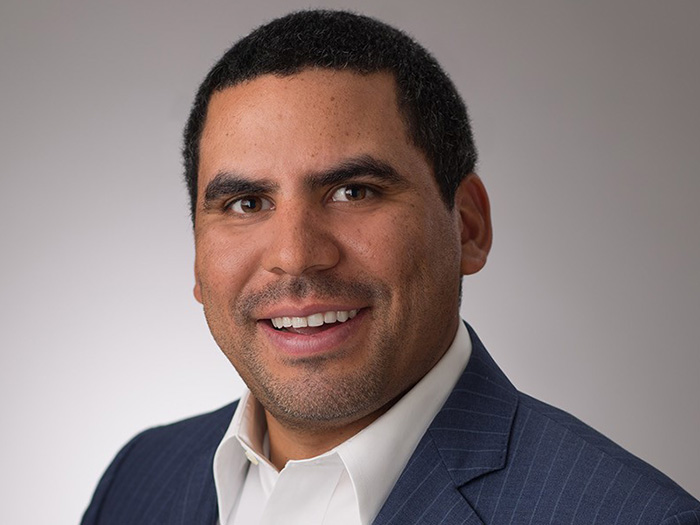
Brilliance in Focus: 2025 M&A Power Broker William Coleman

As part of covering the best brokers in the commercial insurance space, Risk & Insurance®, with the sponsorship of Philadelphia Insurance Companies, is expanding its coverage of Power Broker® winners and finalists with its Brilliance in Focus series.
Look for these expanded profiles on the Risk & Insurance website and in your social media feeds throughout the year.
Here, we talk with William Coleman, Managing Director, Aon M&A and Transaction Solutions, and a 2025 M&A Power Broker.
Risk & Insurance: What are three key things to keep in mind when buying Representations and Warranties insurance?
William Coleman: The scope and quality of diligence is foundational. R&W insurance is designed to transfer risk, not replace diligence, and insurers calibrate coverage scope, exclusions, and pricing directly to the quality and results of the diligence process. Well-organized diligence, particularly around material subject matters, allows underwriters to gain comfort with the transaction and provides buyers with greater negotiating leverage, typically results in a smoother underwriting process, and stronger coverage outcomes.
The experience and sophistication of the broker also meaningfully shape both the process and the result. A broker who understands deal dynamics, timing pressure, and insurer appetite can anticipate issues before they arise, manage competing priorities late in the process, and negotiate terms that align with how the buyer views identified risks. Just as importantly, brokers with deep claims experience understand how policies perform under stress, not just how they read on paper, as a policy offers limited value if the claims process becomes overly burdensome.
Finally, buyers should focus on the claims-handling philosophy and track record of the insurer, not just pricing. The true test of an R&W policy occurs after closing, and insurers that approach claims with transparency, responsiveness, and commercial judgement tend to deliver significantly greater value over the life of the policy.
R&I: What are some exposures in mergers and acquisitions that are sometimes overlooked by buyers and sellers?
WC: Operational risk is often underestimated, largely because transaction focus tends to prioritize valuation certainty and deal execution over post-closing realities. This is particularly common where targets have historically operated with informal processes, limited documentation, or key-person dependencies. While these issues may not rise to the level of deal breakers during diligence, they frequently emerge post-closing as integration challenges, scalability constraints, or operational disruption, and can ultimately drive claim activity.
Regulatory and compliance exposure can also be underappreciated, especially in sectors where enforcement priorities are evolving. Data privacy, cybersecurity, and industry-specific compliance regimes may appear manageable based on historical practices, but changes in enforcement posture or regulatory scrutiny can create meaningful exposure after closing. Tax and employment-related risks are similarly nuanced. Even where diligence does not identify clear violations, buyers may inherit historical practices or judgment calls that are later challenged or reinterpreted post-closing, particularly in carve-outs or cross-border transactions. These risks are often amplified in jurisdictions with more aggressive or unpredictable enforcement environments.
R&I: If you look at your career in insurance, how would you rate the degree of fulfillment you get in the work, on a scale of one to ten? What factors come into play in that rating?
WC: I would rate it an eight or nine. What I find most fulfilling is the problem-solving nature of the work. No two transactions are the same, and each deal presents a unique combination of risks, constraints, and stakeholder priorities that require thoughtful judgment rather than a formulaic approach.
I am also motivated by the opportunity to help clients navigate uncertainty in high-stakes situations. In many cases, insurance plays a meaningful role in bridging gaps or enabling transactions to move forward when there is genuine complexity or disagreement around risk allocation. The collaborative aspect of the work, operating alongside clients, legal advisors, and insurers under significant time pressure and shared accountability, adds to that sense of fulfillment and purpose.
R&I: Within a brokerage, what are the factors that lead to greater collaboration and success?
WC: Effective collaboration starts with clear communication and shared expectations across teams, particularly in complex transactions that require input from multiple specialties. When teams understand not only their individual roles but also how their work fits into the broader transaction, coordination improves and execution becomes more efficient.
A shared understanding of deal timelines and pressure points is equally important. When teams appreciate how transactions evolve and where flexibility is limited, they are better positioned to engage proactively and support clients through key inflection points. A culture that encourages early engagement, mutual trust, and accountability ultimately results in more cohesive advice and more consistent outcomes for clients.
R&I: What are you most excited about when you look at business opportunities going forward?
WC: What continues to excite me is how quickly the M&A market continues to evolve. Market conditions, regulatory environments, and deal structures are constantly shifting, which means transaction dynamics rarely repeat themselves from one year to the next.
We are expecting a period of sustained activity, but with greater creativity in how transactions are structured and how risks are allocated. Buyers and sellers are increasingly thoughtful about how they approach uncertainty, valuation gaps, and execution risk as part of the deal process. As a result, insurance is being used in more targeted and strategic ways to support complex deal structures or address discrete areas of risk helping transactions move forward in more complex environments. That evolution, both in dealmaking and in how insurance is applied, keeps the work dynamic and ensures there is always a new problem to solve. &