Newsletters
 Risk Central
 Digital Edition
Supply Chain Losses Hit 86% of Companies, but Most Lack Adequate Coverage: Gallagher
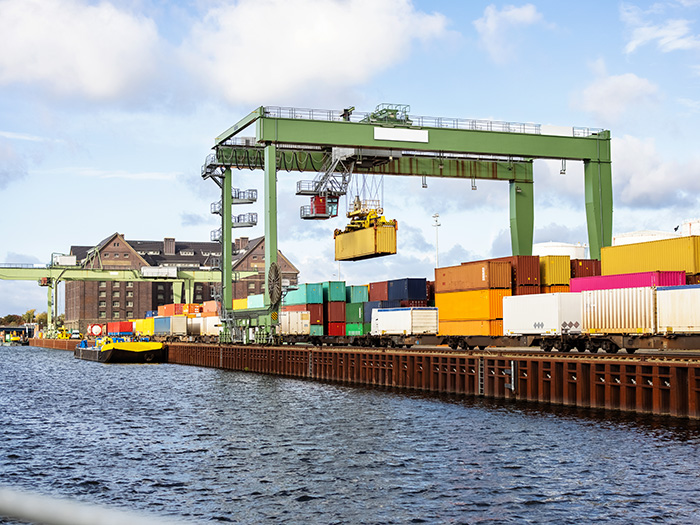
A new survey of global business leaders finds that 86% of companies suffered supply chain losses in the past year, yet barely one in three were fully covered for those losses — a protection gap that reveals how far awareness of supply chain risk has outpaced meaningful preparedness, according to Gallagher’s Redrawing Global Supply Chains report.
Rising material costs, geopolitical instability, and tariff and trade disputes have emerged as the dominant drivers of supply chain disruption, with more than 70% of business leaders expressing concern over each.
The construction and energy sectors are feeling the strain most acutely — 65% of construction leaders and 68% of those in energy and renewable energy identify rising material costs as their top concern.
Geopolitical risk looms especially large and proves difficult to manage, according to Gallagher. While 44% of businesses are already contending with threats to trade flows and supply chain stability, another 36% expect to face such risks going forward. Interstate conflicts and security incidents — including attacks in the Red Sea — have lengthened transit times, inflated costs and forced widespread rerouting. Many companies now treat geopolitics as a persistent operating condition rather than a periodic shock, yet only one in four rate their mitigation strategies as very effective against these threats, the report said.
Tariff uncertainty is compounding the supply chain challenge. Some 40% of respondents say tariff volatility is stalling investment decisions, while three in five firms are accelerating moves — including stockpiling goods and components — to get ahead of anticipated changes.
“Even though we are several months into various tariff actions, the word ‘uncertainty’ still applies,” says Michael Burg, executive vice president and managing director of the manufacturing practice at Gallagher.
The Hidden Costs of Stockpiling
In response to trade uncertainty, nine in 10 businesses are stockpiling goods or actively considering doing so. While this just-in-case approach helps buffer against supply bottlenecks and new tariffs, it introduces an underappreciated layer of risk, the report said. Concentrating higher volumes of goods and materials in warehouses at ports and industrial parks raises exposure to natural catastrophes and cargo theft — a scenario a quarter of businesses say they are aware of but not prepared for.
“You can de-risk in one place and add risk in another,” said Alec Russell, managing director of Marine Cargo at Gallagher. “If you introduce tariffs, everyone stockpiles, then a windstorm comes through, and the loss is bigger than it normally would be. We’re having a greater accumulation of values in single locations.”
Despite widespread concern — with nearly four in five companies worried about supply chain disruption — just one in three were fully insured for the losses they suffered in the past year, according to Gallagher. Some 36% say supply chain-specific coverage is too limited, citing high premiums, restricted capacity and policy complexity as barriers. A further 22% of companies remain reactive, addressing disruptions only after they occur rather than managing risk proactively, the report said.
Resilience Through Diversification and Better Data
Business leaders are responding through a combination of operational shifts and longer-term strategic adjustments, according to Gallagher.
Supplier and trade partner diversification has become a foundational response, with onshoring, nearshoring and “friendshoring” gaining traction as companies seek to reduce exposure to geopolitical chokepoints and trade disputes.
Technology is playing an expanding role, with half of companies now using real-time supply chain monitoring platforms. However, only 43% analyze wider market conditions or geopolitical trends, the report noted. Survey respondents called for more sophisticated tools, including predictive analytics, automated contingency planning and intelligent risk warning systems to help them anticipate and respond more quickly to emerging threats.
Improving supply chain transparency is also critical to closing the protection gap. Six in 10 companies report limited or no visibility beyond their direct suppliers — gaps that obscure vulnerabilities and complicate risk assessment.
Read the full report here. &