The best of R&I and around the web, handpicked by our editors.
White papers, service directory and conferences for the R&I community.
Web replica of the print magazine.
Underlying medical conditions are usually the defining feature of an extreme ergonomics accommodation case.
During a recent session at the virtual Ergo Expo conference Facebook’s human factors researcher shared why workplace environment is an important consideration for ergonomists.
As the cannabis-legalization shift continues to sweep the nation, California growers are uniquely positioned to lead the way on ergonomic controls.
Testing new approaches and new ideas to create effective methods and solutions; it’s what ergonomists do, and it’s what we’re doing for the 2020 National Ergonomics Conference.
Musculoskeletal disorders can lead to opioid abuse, but workplace ergonomics can make a difference. Let’s not forget the urgency of the opioid epidemic in the wake of COVID-19.
Technology is now inseparable from the ergonomics revolution empowering safety professionals to prevent injuries.
Older workers may be more vulnerable, but their experience is indispensable, which is why it’s important to protect them with ergonomics.
Teaching employees proper body mechanics can help prevent injuries and reduce musculoskeletal risk.
The bridge between between a high-performance workforce and a peak-safety workplace might be wider than meets the eye.
In the wake of COVID-19, work-from-home is a new reality that has hit corporate America and beyond. Here are five strategies to ensure proper ergonomics.
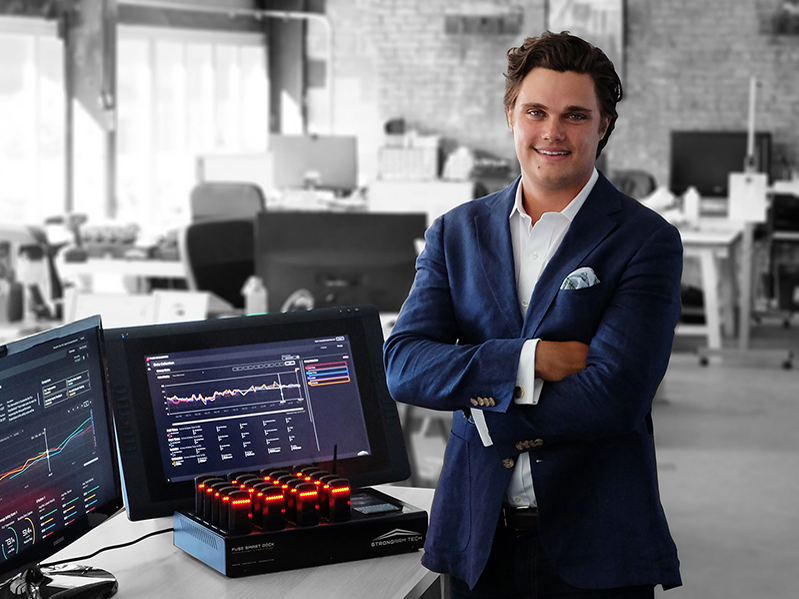
After losing his father to a work-related accident, Sean Petterson made it his mission to protect other manual laborers through ergonomics and wearable technology.
Data has linked MSDs to opioid overdoses. But there may be hope yet: implementing proper ergonomic practices.
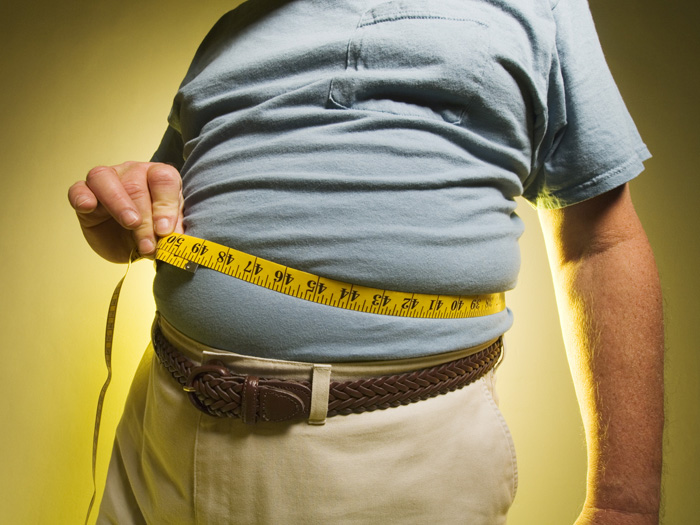
A Texas A&M study concludes that effective ergonomic guidelines must take BMI into account.
Ergonomics safety programs reduce injuries and help organizations reach operational goals.
Real estate risk management veteran and former Power Broker Alexandra Glickman weighs in on industry trends.
New data from AmTrust Financial reveals that while cuts dominate restaurant injury statistics, muscle strains create the heaviest financial burden—costing nearly 500% more per claim than the industry’s most common injuries.
Nearly 30% of workers experiencing pain don’t report it, highlighting disconnect between management and employees: MSD Solutions Lab research.
The Theo Awards continue a long legacy of Risk & Insurance honoring the best in workers’ compensation.
NFI reduced injuries using wearables, coaching, and culture-driven safety in high-risk warehouse operations.
Much has been written about how technologies can make work a safer place. These are the tech tools that are helping post injury.

 Newsletters
 Risk Central

 Risk Central
 Digital Edition