Newsletters
 Risk Central
 Digital Edition
Rural Hospital Closures Disrupt Care Access for Injured Workers but Don’t Worsen Claim Outcomes
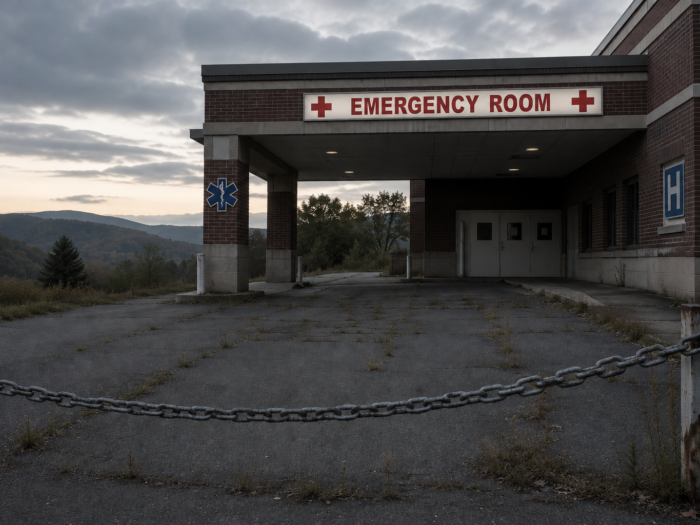
Rural hospital closures resulted in a 3.6 percentage point drop in the use of emergency care services on the day of injury and add an average of 10.5 miles to the distance rural workers must travel to reach an emergency department, according to a report by the Workers Compensation Research Institute.
The study — the first to examine the effects of hospital closures within the workers’ compensation system — analyzed more than 12 million claims across 29 states for injuries occurring between October 2012 and September 2023.
Emergency Care Access Hit Hardest in Rural Areas
The effects of hospital closures on emergency care access are concentrated in rural communities, where 30% of injured workers received emergency medical care on the day of injury compared with 19% in urban areas, the report said. Urban hospital closures had little measurable impact on emergency care use or travel distance.
The disruption intensified where few alternatives existed. Among workers in rural areas where the next available hospital was at least 20 additional miles away, emergency care use on the day of injury dropped by 13.6 percentage points — a 45% decrease, WCRI found. Those who continued to seek emergency care faced dramatically longer trips, with travel distances nearly tripling from about 10 miles to 27 miles in the most isolated areas.
Between 2010 and the second quarter of 2025, the study identified 343 hospital closures nationwide, with 146 occurring in rural areas. WCRI estimated that approximately 4% of rural workers and 5% of urban workers experienced the closure of their nearest hospital during that period.
Care Shifts to Nonhospital Settings
Hospital closures do not eliminate care — they redirect it, according to the WCRI report. Rural closures led to a 2.3 percentage point increase in the share of workers receiving evaluation and management (E&M) services, commonly known as office visits. At the same time, the percentage of first E&M visits occurring in hospital settings dropped by 1.7 percentage points, and the share of first physical medicine visits in hospital settings fell by 3.9 percentage points.
Workers also traveled farther for office visits after closures, with an average increase of 1.8 miles to the first E&M service in rural areas. However, the time between injury and first medical care showed “little change,” the study said, suggesting the transition to nonhospital settings occurred without significant delays.
Rural workers already faced long distances for specialty care even before closures. The top 10% of rural workers traveled more than 60 miles for their first major surgery, neurological testing or pain management injection, according to the report’s baseline analysis.
Costs and Disability Duration Hold Steady
Despite the access disruptions, WCRI found “little effect” of rural hospital closures on medical payments per claim, indemnity payments per claim or the duration of temporary disability benefits. Urban closures similarly showed no meaningful impact on these outcomes.
The stability of claim costs may reflect offsetting dynamics, the report said. While utilization of some services increased slightly, much of the care shifted into nonhospital settings, “which are typically lower-cost places of care.”
The report suggested several possible explanations for the resilient outcomes. Employers may be adapting through strategies such as onsite clinics, expanded relationships with urgent care centers, increased reliance on occupational medicine clinics, nurse triage lines and telemedicine. The study noted that “access to telehealth services in 2026 is very different from what was available in the early 2000s, potentially easing some of the concerns about getting workers to the right providers.”
The results “suggest that hospital closures primarily affect where care is accessed rather than whether the care is ultimately received by workers recovering after their work-related injuries,” the report concluded, adding that “targeted interventions to address access gaps, rather than broad concerns about deterioration in care quality, are likely to yield the greatest benefits for injured workers in areas affected by hospital closures.”
Obtain the full report here. &