Newsletters
 Risk Central
 Digital Edition
Predict & Prevent® Podcast Episode 31: How Big Data and AI Are Reshaping Insurance Oversight
Insurance regulation and technological innovation are often portrayed as opposing forces, but Wisconsin Insurance Commissioner Nathan Houdek sees them as complementary.
In a recent episode of the Predict & Prevent podcast from The Institutes, Commissioner Houdek joined guest host Frank Paul Tomasello, Executive Director of The Institutes Griffith Education Foundation, for a wide-ranging conversation about how data, artificial intelligence, and collaborative public-private programs are reshaping how the insurance industry approaches risk.

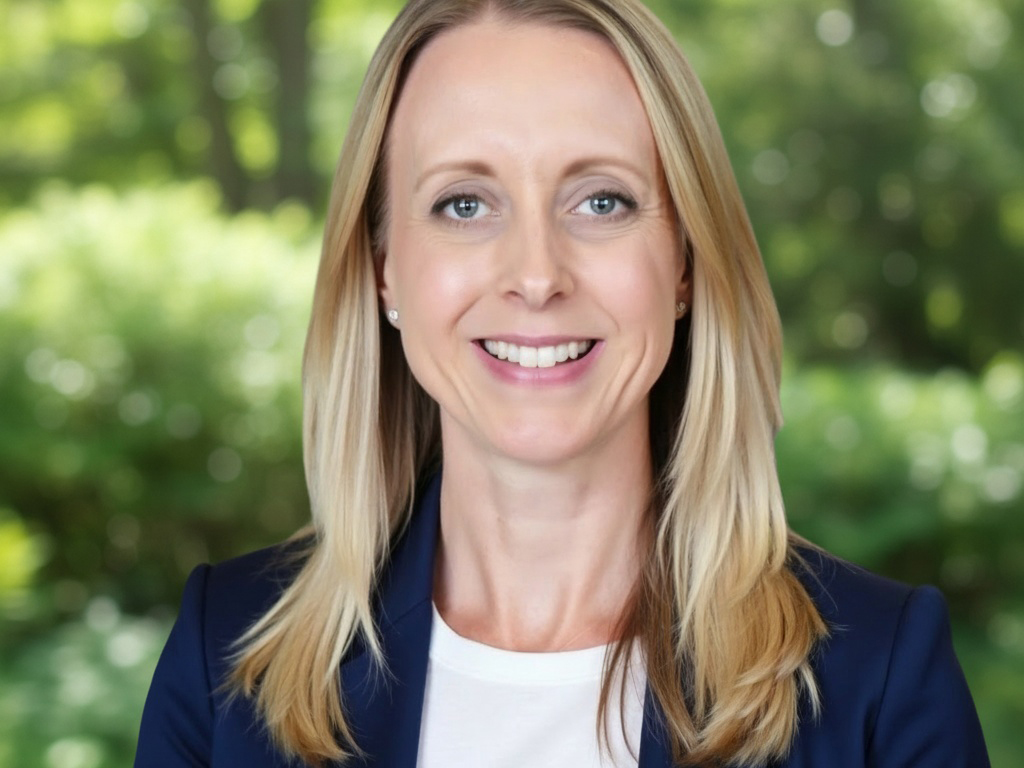
Nathan Houdek, Wisconsin Insurance Commissioner
Commissioner Houdek, who chairs both the National Association of Insurance Commissioners’ Financial Condition Committee and its Big Data and Artificial Intelligence Working Group, opened by tracing how the pace of technological adoption has accelerated sharply over the past decade. The COVID-19 pandemic, he noted, acted as a catalyst, pushing insurers toward telemedicine partnerships, accelerated life insurance underwriting, and far more granular analysis of driving behavior data. What began as necessity has since evolved into something more ambitious as sensors, connected devices, and AI-powered analytics have moved the industry from reacting to losses toward anticipating and reducing them.
One of the more concrete examples Houdek discussed is the proliferation of home-strengthening programs modeled after Alabama’s Strengthen Alabama Homes initiative, which launched around 2011. The program offers financial incentives for homeowners to build to higher standards set by the Insurance Institute for Business and Home Safety. Several other states have since adopted similar frameworks. Houdek described these programs as among the clearest examples of regulators, insurers, and consumers working toward a shared goal: fewer losses when severe weather strikes.
“It really is a win-win-win program,” Houdek said, “and it’s something that we continue to see more interest and more engagement around.”

Frank Paul Tomasello, Executive Director, The Institutes Griffith Education Foundation
The conversation also addressed NAIC’s evolving approach to AI oversight. Rather than rushing to create new model laws, regulators conducted a series of data calls across auto, homeowners, life, and health insurance lines to understand how AI is actually being used. That groundwork informed the AI Model Governance Bulletin, which about 25 states have now adopted. The NAIC is currently in a multi-month pilot of an AI system evaluation tool, with 12 states participating and a refined version expected to be finalized later this year for voluntary state use in 2025.
Houdek was clear that regulatory caution is not the same as resistance to innovation. “We support innovation. We support technological adoption and advancement,” he said. The goal, as he described it, is ensuring that as insurers adopt new tools, they do so in ways that comply with existing consumer protection laws and account for where AI decisions could cause direct harm to policyholders.
Listen to the full episode, “How Big Data and AI Are Reshaping Insurance Oversight,” at predictandprevent.org or search for Predict & Prevent on major podcasting platforms. &