Newsletters
 Risk Central
 Digital Edition
Predict & Prevent® Podcast Episode 23: Improving Property Survivability with Homeowner Help
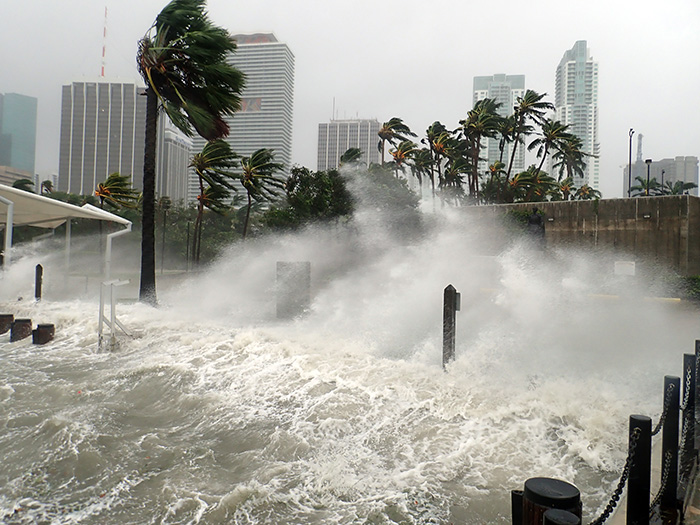
As wildfires and extreme weather events become the new normal, the insurance industry faces an unprecedented crisis. Properties once considered safe are now in high-risk zones, leaving millions of homeowners struggling to find affordable coverage. But what if the solution isn’t just about predicting where disasters will strike, but understanding which properties will survive when they do?
Valkyrie Holmes, CEO and Co-Founder of Faura, joined Pete Miller, CEO of The Institutes, and host of the Predict & Prevent® podcast, to explain how her company is revolutionizing property risk assessment by putting homeowners at the center of the solution.
Faura engages homeowners directly in assessing their property’s resilience, replacing insurer reliance on outdated public data or expensive in-person inspections.
“We help carriers verify information about properties in higher-risk areas in partnership with our policyholders,” Holmes explained.

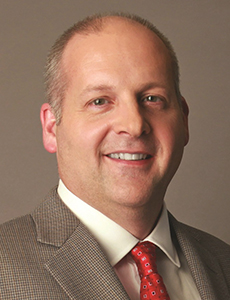
Valkyrie Holmes, CEO of Faura
Holmes draws a critical distinction in how the insurance industry approaches climate risk. While traditional models focus on predicting where disasters will occur, Holmes argues that survivability—understanding which properties can withstand disasters when they do happen—is equally important.
“If a disaster does happen in this area, which properties are more prone to damage or are more vulnerable across this portfolio” is what Faura seeks to answer, she said.
Faura’s approach emphasizes consumer education and empowerment. Homeowners receive personalized assessments that break down their property risk into actionable recommendations, from simple weekend projects like moving logs away from the house to larger investments like storm shutters.
The platform covers five major perils—wildfire, hurricane, hail, flood, and earthquake—and provides homeowners with contractor recommendations and cost-benefit analysis for each mitigation measure.
Holmes shared insights about what actually drives property survivability, noting that seemingly minor details can have major impacts. “If your garage door fails, it takes a huge chunk of the house with it,” she observes, while landscaping plants like rosemary can act as “fire bombs” that dramatically increase wildfire risk.
The data demonstrates clear value. Faura gathers four to six times more information than traditional inspections while improving customer satisfaction and retention for insurance carriers. The company has grown to 15 employees, operates in every state, and aims to help 1 million homeowners understand their resilience.
Holmes reports implementing solutions for insurance companies in as little as 13 hours, making advanced risk assessment tools accessible even to mid-sized insurers without extensive resources.
This interview provides valuable insights for professionals concerned about climate resilience, insurance challenges, and the intersection of technology and risk management
“Consumer engagement should not be this crazy, convoluted messaging that we’ve all approached it to be. I think it can be much simpler than that, thanks to everything being more digital,” Holmes said.
To hear more about Faura’s efforts to improve survivability and insurability, listen to the full episode at predictandprevent.org. &