Newsletters
 Risk Central
 Digital Edition
Predict & Prevent® Podcast Episode 21: Hurricane Data Validates Resilient Building Standard
What if the secret to solving America’s growing insurance crisis isn’t found in boardrooms or regulatory offices, but in how we build our homes? New research from the University of Alabama provides compelling evidence that resilient construction standards not only protect homes during major storms but also deliver measurable financial benefits to property owners, according to “Hurricane Data Validates Resilient Building Standard,” the latest episode of the Predict & Prevent® podcast from The Institutes.
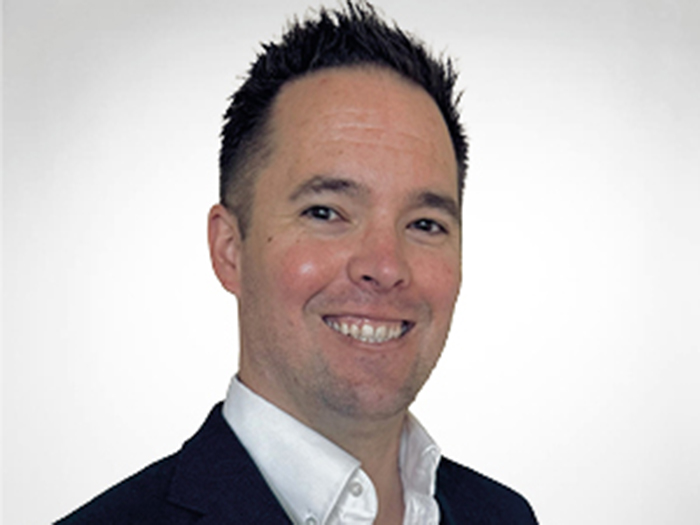
Dr. Lars Powell, director of the Center for Risk and Insurance Research at the University of Alabama, joins Pete Miller, CEO of The Institutes, to talk about how this new research is reshaping how we think about resilient construction and disaster preparedness.
The study, which Powell called “the first test of the performance of FORTIFIED on a critical mass of houses,” examined 17,000 FORTIFIED-designated homes during Hurricane Sally, a strong Category 2 storm with wind gusts up to 125 miles per hour. FORTIFIED is a building standard developed by the Insurance Institute for Business & Home Safety.
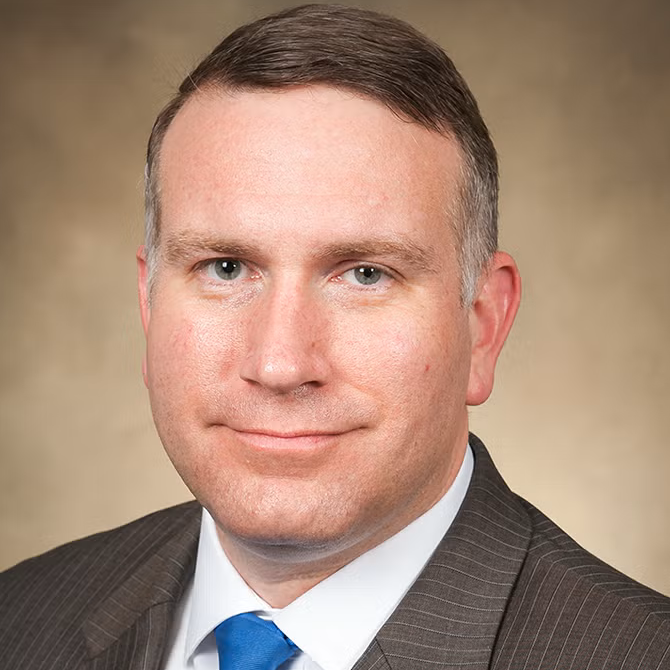
Dr. Lars Powell, Director of the Center for Risk and Insurance Research at the University of Alabama
“We expected they’d do substantially better, based on the science, based on how you keep water out of a house when it loses its seal, or when it loses its rooftop, and it certainly did that,” Powell said. “We decided that we knew enough about the insurance claims to make this public because there are still a number of people, number of entities that say, hey, we don’t doubt the science. We don’t doubt what happens in the laboratory, but we don’t trust it enough to make that part of our rating structure.”
The results were striking. FORTIFIED homes demonstrated significantly better performance than conventional construction, even after controlling for location, wind speed, and whether trees fell on the property. Perhaps most notably, if homeowners had a FORTIFIED gold designation and avoided tree damage, they experienced virtually no claims during the hurricane.
“It turns out our biggest insurance problem isn’t so much an insurance problem as a ‘how we build houses’ problem,” Powell explained, highlighting a fundamental shift in thinking about risk management.
His earlier research had already demonstrated that FORTIFIED homes command higher resale values—averaging 7% more than conventional homes, and up to 17% more in coastal areas. But the Hurricane Sally study goes beyond market value to show actual performance when disaster strikes.
Alabama’s success in achieving more than 50,000 FORTIFIED designations—representing most of the approximately 70,000 such homes nationwide—offers lessons for other states considering similar programs. Powell credited several key factors for this achievement.
The state’s Strengthen Alabama Homes grant program has provided $86 million in grants to retrofit over 8,700 houses, with funding derived from insurance agent licensing fees rather than general tax revenue. This approach created sustainable funding while building industry support.
Equally important was the program’s impact on contractor capabilities. Each grant applicant must obtain three bids, creating consistent demand that incentivized contractors to learn FORTIFIED construction techniques.
“Once you’ve got the supply of contractors to provide the FORTIFIED roof, then they sell it outside of the grant program too,” Powell said. “The more contractors that bid on one or more strength in Alabama homes grant projects, the more FORTIFIED houses we find outside of the grant program.”
Leadership commitment proved crucial to the program’s success. Powell emphasized the importance of regulatory support that focused on solutions rather than restrictions.
“There was a trust between the regulators and the industry that the regulators weren’t looking to penalize anyone,” Powell said. “You can look around and see the way that other states have tried to fix these problems by saying, let’s don’t raise rates because people can’t afford it. Well, what you really can’t afford is to have the insurance industry vacate your state.”
As more states consider similar programs, Alabama’s model demonstrates that sustained commitment, industry collaboration, and targeted incentives can drive significant adoption of proven protective measures.
“If you don’t ever start, then you don’t ever get there,” Powell said. “But if you get rid of the losses, then you can provide insurance the same way you do everywhere else.”
To listen to this and other episodes, visit predictandprevent.org, or look for Predict & Prevent on most podcasting platforms. New episodes come out every three weeks.