 Newsletters
 Risk Central
 Digital Edition
Sponsored: HCS Network Solutions
An Apple a Day, The Secret to Proactive Provider Partnership

It’s easy for a workers’ compensation network to treat providers like vendors, they’ll contract them on price, manage them on volume, call them when something goes wrong.
A successful network stops managing providers and starts working with them.
Yet a reactive model is easy to fall into. Claims may be processed after the fact, authorizations may be reviewed without context, providers who only hear from the network when something has already gone wrong. Wherever that pattern takes hold, friction builds, trust erodes, and outcomes suffer.
There is an opportunity for a different approach. An approach that is proactive, data-driven, and grounded in genuine partnership. When you treat providers as clinical collaborators rather than contractors, use data transparently, the benefits run well past cost savings. The advice is as old as advice gets, “an apple a day,” and it works the same way here, not because any one habit is powerful, but because it’s consistent.
The Partnership Imperative, From Transactional to Transformational

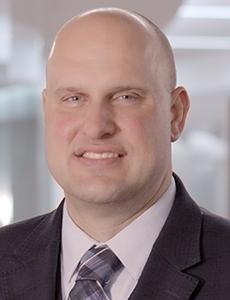
Mike Zollenberg, Vice President of Network Management and Strategy at HCS, By MedRisk
At its core, a high-performing PPO network is built on trust. Providers who feel respected in a productive partnership will stay, prioritize injured workers within the network, and engage in collaborative care planning.
Providers who experience administrative friction, slow payments, or one-way performance reviews may end up leaving, and the network then churns through valuable providers. Mike Zollenberg, Vice President of Network Management and Strategy at HCS, By MedRisk, describes the opposite:
“We’ve had providers in our network for years and years and years. It’s not a churning network because they trust us.”
True partnership means several things:
- Prompt, Predictable Payment. Providers should be paid correctly and on time, at contracted rates, without resubmitting. As Zollenberg puts it, providers “don’t want to be buried in paperwork for things that are clearly going to be medically necessary.” Administrative rework is cost with no clinical return.
- Real Human Connection. Providers need access to real people, operational and clinical. A portal or AI chatbot cannot replace a nurse or physician who can take a peer-to-peer call.
- Transparency and Shared Goals. Providers should know how they’re performing and what pathways exist for improvement. Given the data and the ‘why’ behind expectations, they become partners in better outcomes rather than subjects of surveillance.
The Power of Data-Driven Collaboration
“Providers love data. They want to see it, and they want to know how they’re doing,” Zollenberg says. “They want to know how they compare to their peers.”
Networks that operate proactively use data to:
- Benchmark Performance Contextually. Return-to-work rates, treatment patterns, and cost metrics should come with peer benchmarks and clinical context. When a provider sees peers treating similar injuries getting better results, the natural question becomes, “How do I get there?” That is when partnership becomes powerful.
- Foster Proactive Engagement. A pattern raised early becomes a conversation instead of an appeal. Injured workers feel the difference when the clinical team moves early, and the plan is communicated clearly.
The Reactive vs. Proactive Divide
The gap between reactive and proactive networks comes down to timing; whether the network shows up before the problem or after it.
Nobody notices the visits that didn’t have to happen. Network management is the same. A claim flagged early, a payment on time, a nurse who picks up the phone, none of it may look like much, yet all of it is why the dispute, the appeal, and the lost provider stay off anyone’s report.
Reactive networks respond after the fact. Claims reviewed after services are delivered, authorizations handled case-by-case, and when something goes wrong like a denied claim or a treatment pattern that seems misaligned, the provider learns about it last. Every one of those encounters chips away at the relationship.
Proactive networks raise concerns while they’re still small. Data shared regularly, expectations set up front, and a collaborative tone, “We’re seeing this pattern, can we discuss what might be driving it?”
The outcomes are dramatically different:
- In reactive networks, providers may spend hours disputing authorizations, appealing denials, and fixing claim errors. Satisfaction diminishes, and so does their willingness to prioritize injured workers in that network.
- In proactive networks, those hours go back to patient care. Providers know where review will land and why, so care that clearly meets criteria moves without a detour and the harder calls get real clinical attention.
Most importantly for injured workers, care begins sooner and the treatment plan is explained the same way each time, because the providers involved are working from one page instead of three.
Looking Ahead, What Partnership Makes Possible Next
Where networks evolve, partnership can make three things possible:
- Value-Based and Outcome-Based Contracting. For Zollenberg, the questions are how to grow these models and how to handle high-cost injury claims and bundles like spine and complex orthopedics. So that “everyone has some skin in the game beyond just processing claims.”
- Real-Time Data Exchange. Still ahead of the industry. If clinical and claims data moves between payer, provider, and employer in real time, decisions and problems get caught sooner.
- Strategic Network Narrowing. “I think you’re going to see more narrowing of networks in this space, fewer providers, but better quality,” Zollenberg says. Providers are measured and hold real accountability based on their contracts and ability to share data. Narrowing isn’t subtraction, it’s focusing on providers who want to partner with networks to drive the right pricing and the right outcomes.
An Apple a Day, Every Day
Prompt payment, a person who answers, data shared before it becomes a problem. None of these habits are dramatic and none of them work occasionally.
Done consistently, it earns the thing every network is actually after, providers who want to be there, and injured workers treated sooner by someone close to home.
To learn more, please visit https://www.medrisknet.com/.


This article was produced by the R&I Brand Studio, a unit of the advertising department of Risk & Insurance, in collaboration with HCS Network Solutions. The editorial staff of Risk & Insurance had no role in its preparation.