The best of R&I and around the web, handpicked by our editors.
White papers, service directory and conferences for the R&I community.

Web replica of the print magazine.
Medical costs in the workers’ compensation system grew at a more moderate pace than the broader economy in early 2026, but NCCI says the trend is unlikely to last.
Adventist Health Central Valley Network is achieving stellar results by targeting its toughest challenges.
The Metropolitan Water Reclamation District of Greater Chicago succeeds with a commonsense approach.
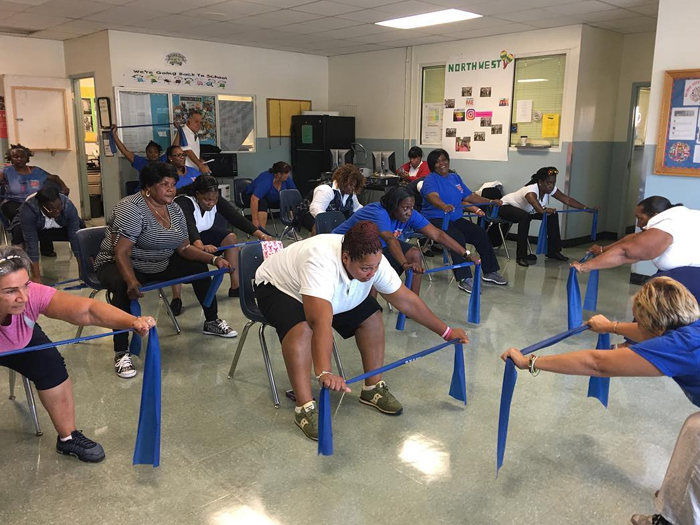
2013 Teddy Award winner Miami-Dade County Public Schools is managing comorbid risk factors by getting employees excited about healthy living.
Employers adopting advocacy practices derive better outcomes from their efforts to improve claims experiences.
As exoskeleton technology evolves, the potential impact on claims outcomes could make it worth the cost in some cases.
More employers turn to triage nurses to determine whether a hospital emergency room visit is necessary.
Workers’ comp professionals have a broad array of tools at their disposal to help combat the ongoing problem of opioid abuse.
The real impact of nurses on workers’ comp claims outcomes is largely overlooked.
NWCDC’s presentations offer leading-edge strategies from employers and other experts to mitigate workers’ comp and disability challenges.
Kentucky, long poisoned by the opioid epidemic, is turning its experiences into strategies that can help other states drive change.
The benefits of prescription drug monitoring programs are clear, but some states could be better utilizing them.
Participants in the 2016 DMEC Annual Conference shared ideas on benefits integration and effective wellness strategies.
As the cannabis industry grows and matures, it is becoming savvier about worker safety and risk management.
State oversight can help rein in compounding, but inroads can also be made from within claims payer and managed care organizations.
Programs that focus on total worker health are becoming an integral part of the way companies manage employee safety and workers’ comp costs.
Biomechanical sensor technology has broad applications for preventing re-injury and correcting movements that cause injuries to occur.
Taking insurance trade groups to task in looking for scapegoats.
With the future of the Oklahoma Option in question, efforts to pass similar plans in other states are also in a holding pattern.
Psychological services in the aftermath of a distressing event could prevent workers’ comp claims for post-event trauma.
Ever wish your company could go back and un-hire a bad apple? Hiring for integrity can minimize regrets as well as claims costs.